
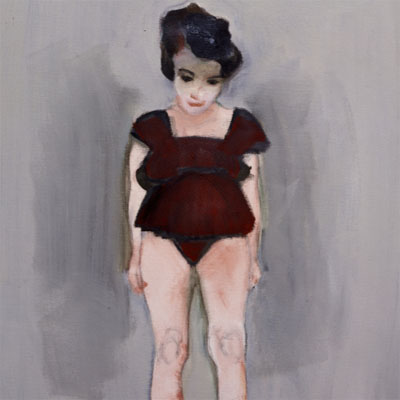
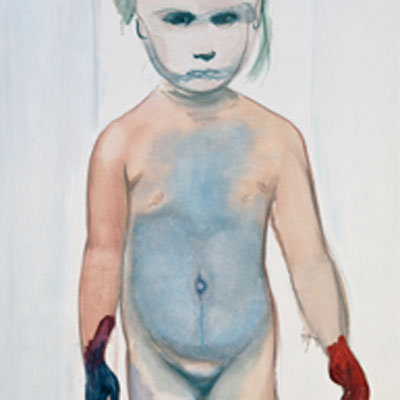
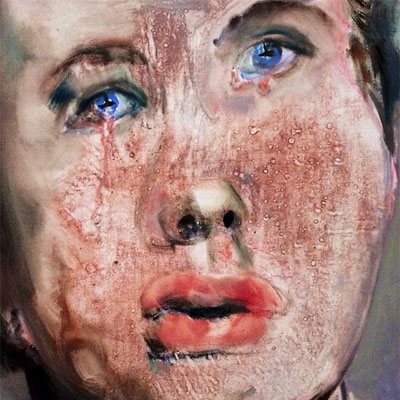
180415 – The Image As Burden – Tate Modern London > words
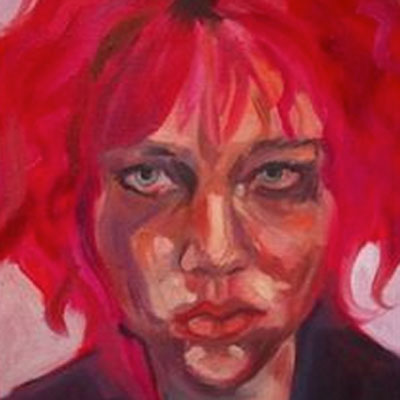
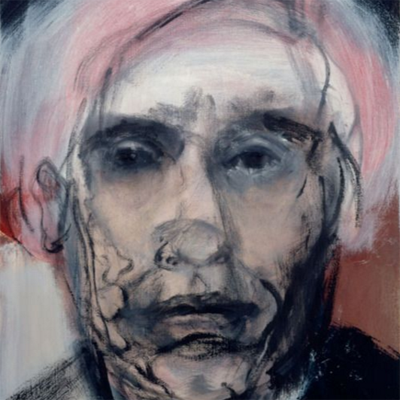
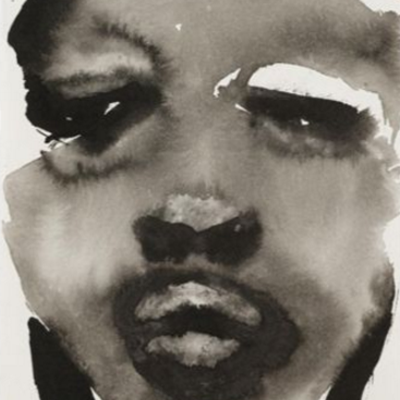
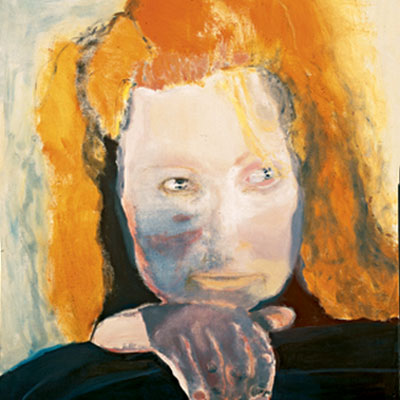
Marlene Dumas exhibition, The Image as Burden is a haunting exhibition somewhat disturbed and invasive, it reaches in and takes a part of you away
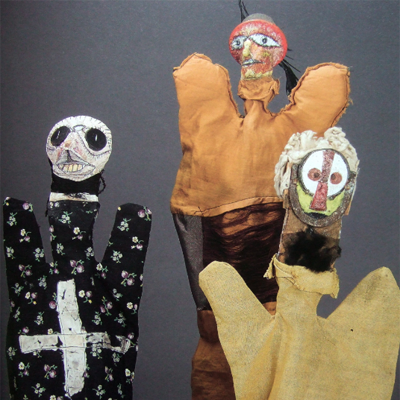
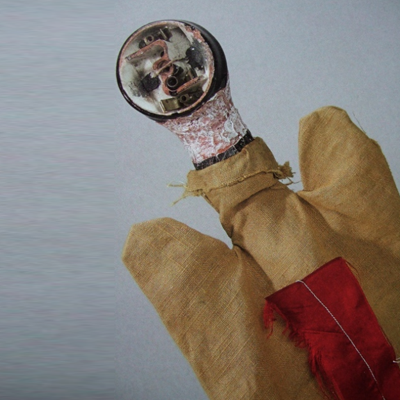
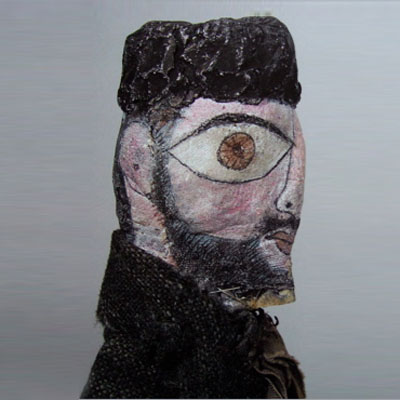
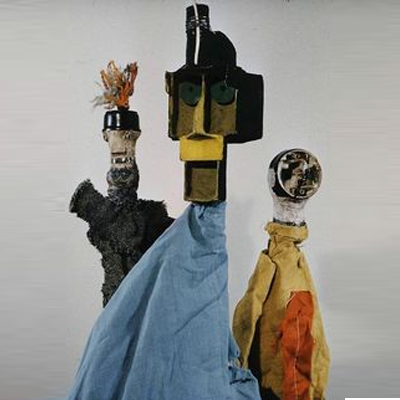
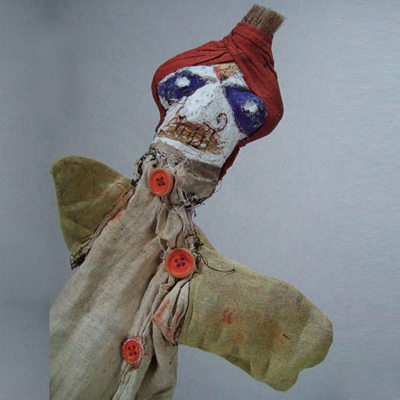
180315 – Paul Klee – Glasgow, Scotland > words
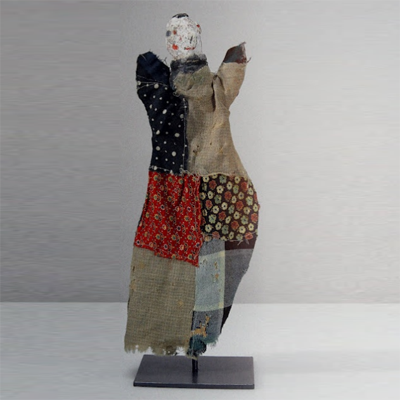
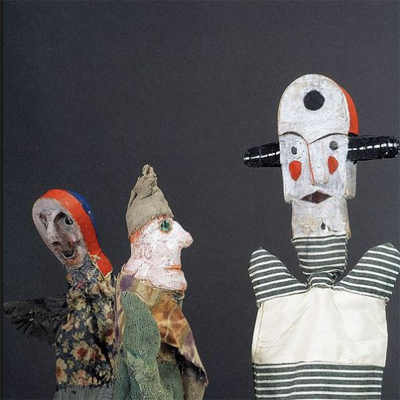
In a Glasgow gallery two puppets hanging on a gallery wall remind me of the puppets that Paul Klee made for his son.
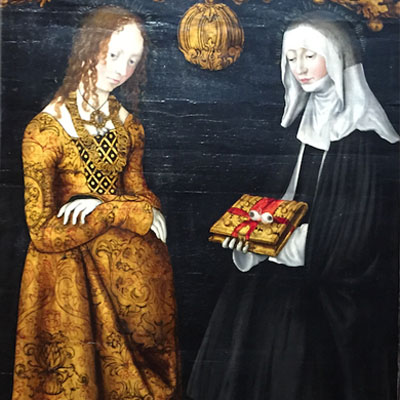
310115 – Fashion Through Paintings – National Portrait Gallery, London > words
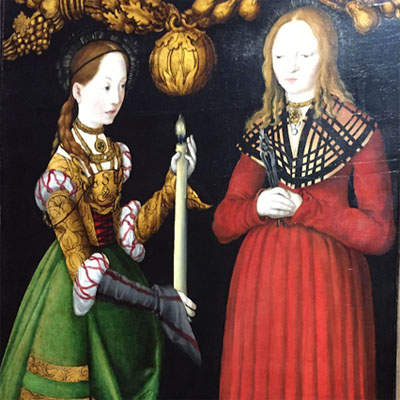
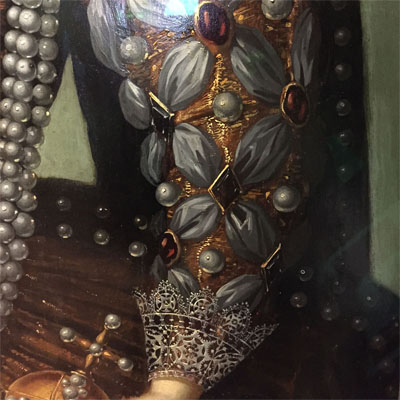
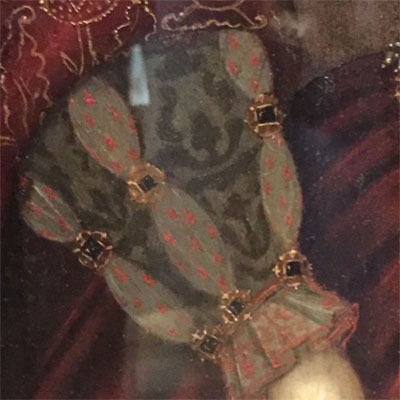
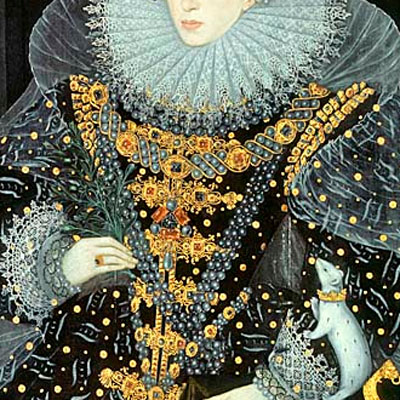
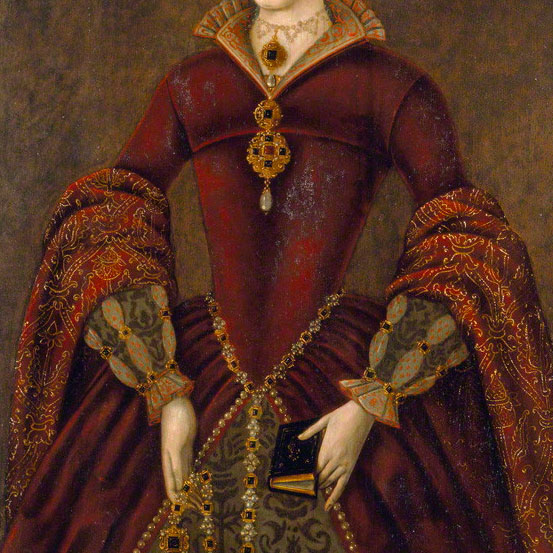
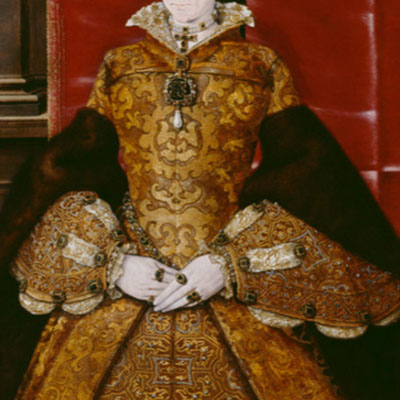
This morning I am at the National Portrait Gallery looking at fashion through paintings and collecting details for my scrapbook.
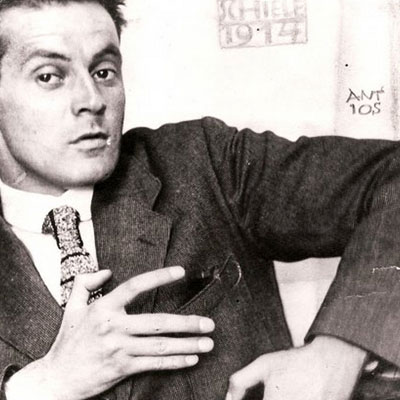
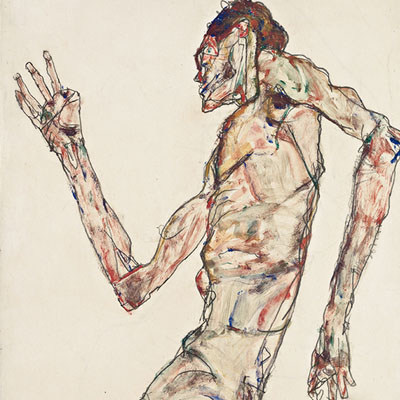
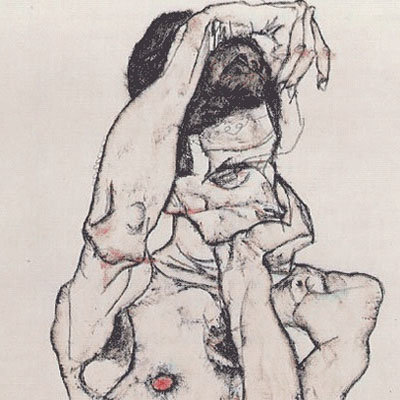
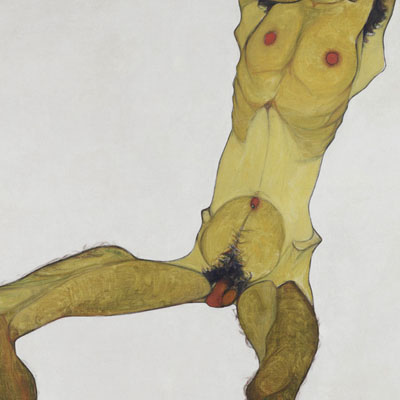
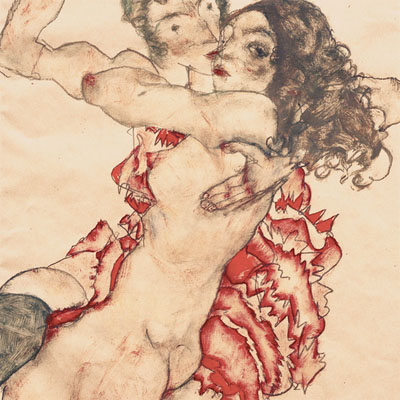
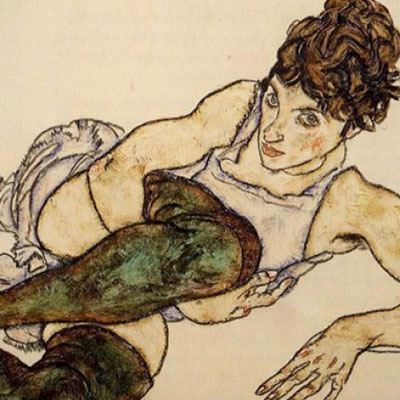
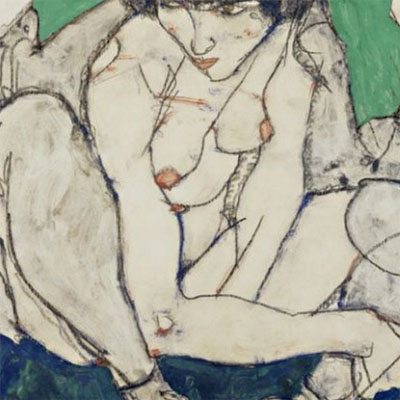
040115 – Schiele – Courtauld Gallery, London > words
Yes, we all need to put down the computer and the cameras and start drawing again.
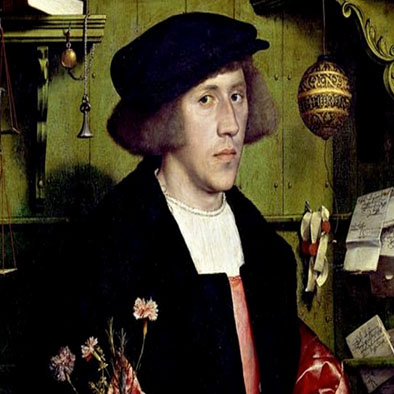
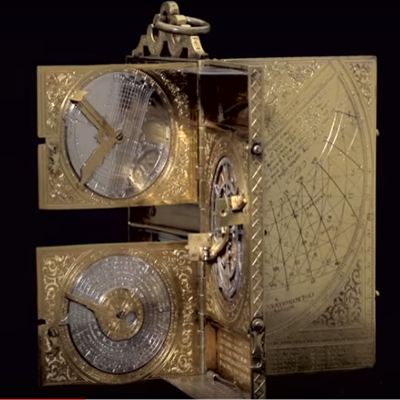
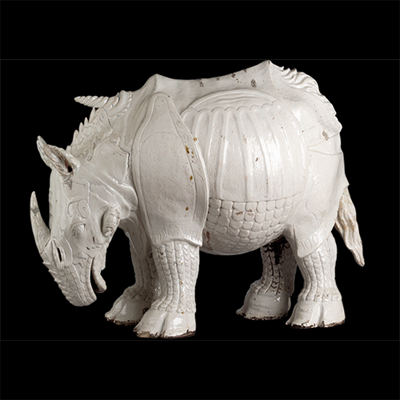
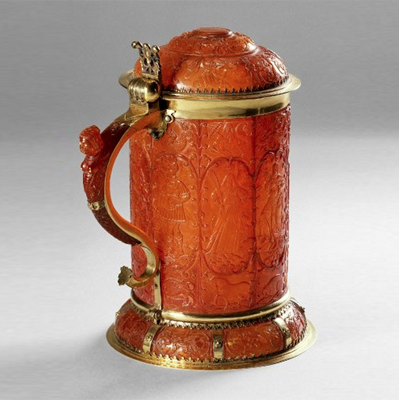
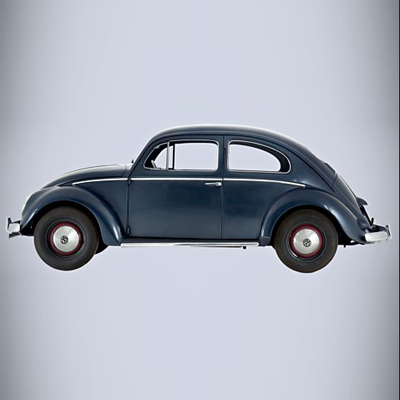
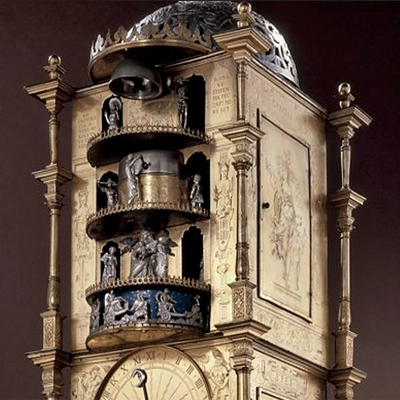
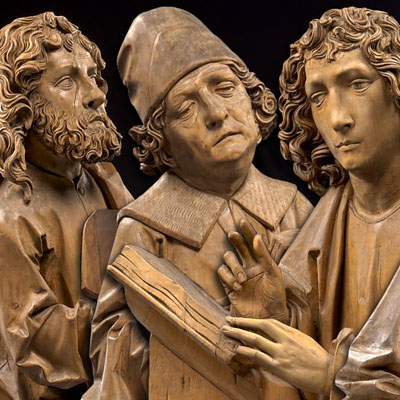
131214 – Germany – British Museum, London > words
Germany, Memories Of A Nation expressed through 600 years of made and engineered objects.
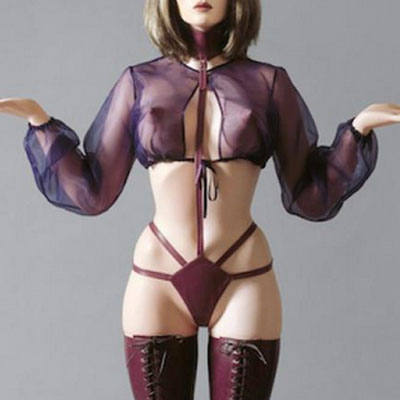
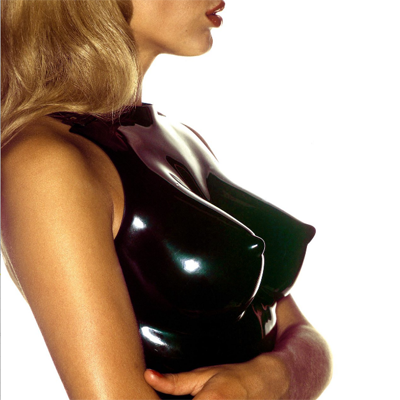
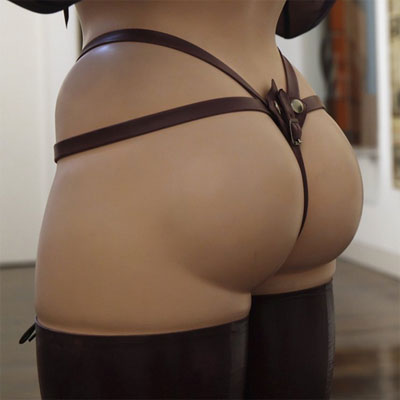
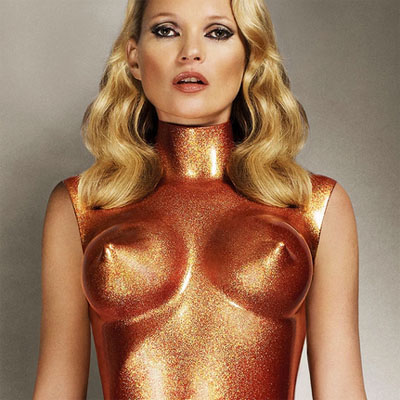
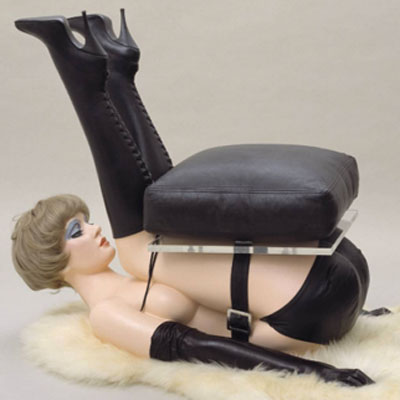
221114 – Desire– Royal Academy, London > words
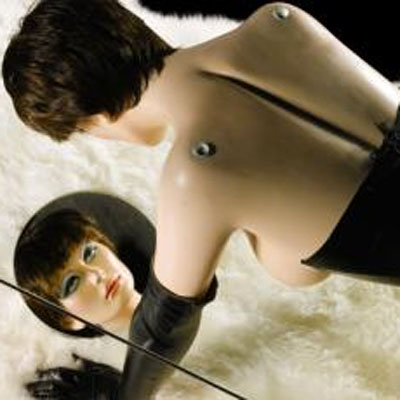
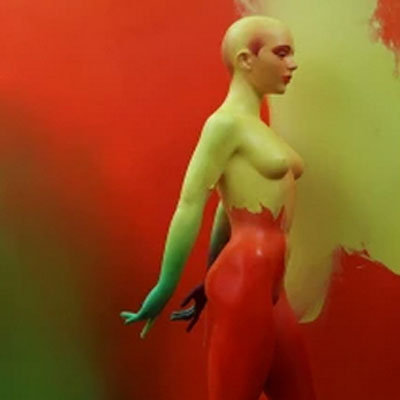
Allen Jones creations of idealised beauty. Objects of desire fixed in time, prisoners of a photographers blink. Dangerous and delicious in an Instant Whip kind of way.
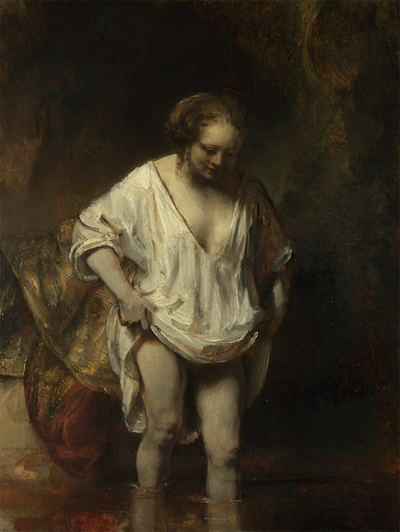
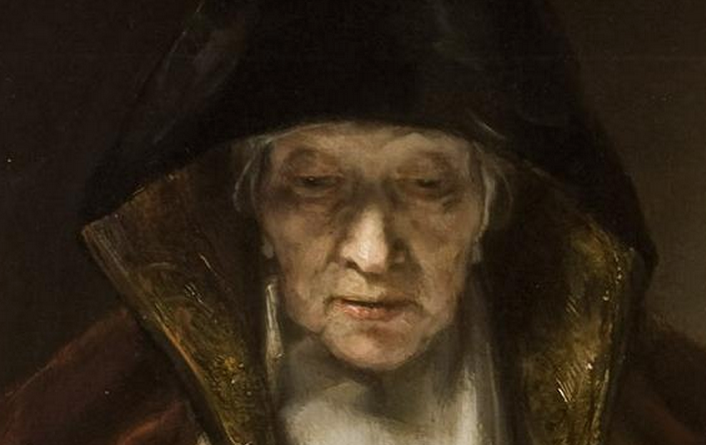
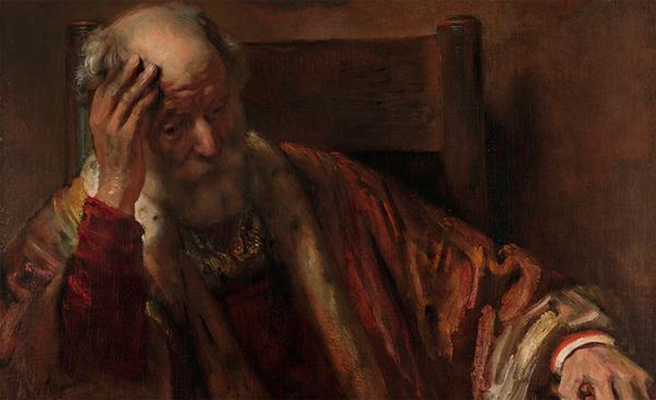
0081114 – Rembrandt The Late Works– National Gallery > words
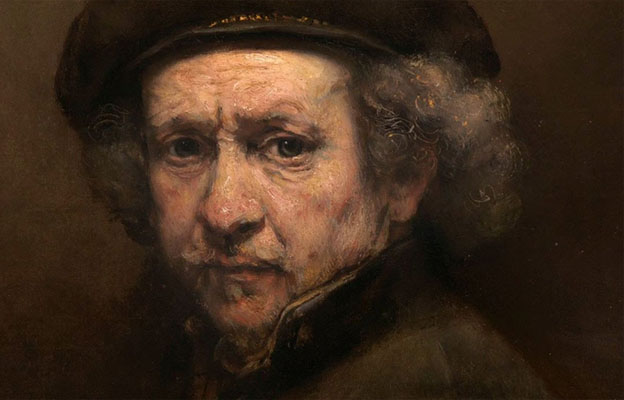
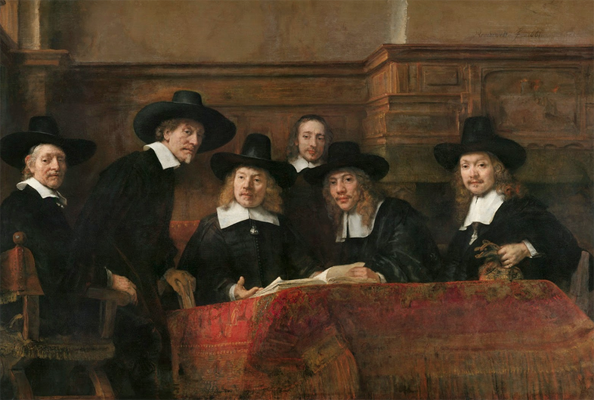
Here 91 paintings and drawings by Rembrandt all at one show including some of his great masterpieces. Rembrandt a master of light and texture, paintings rich in character, show Flemish clothes of the seventeenth century.
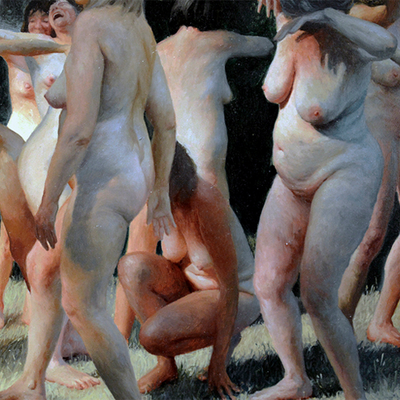
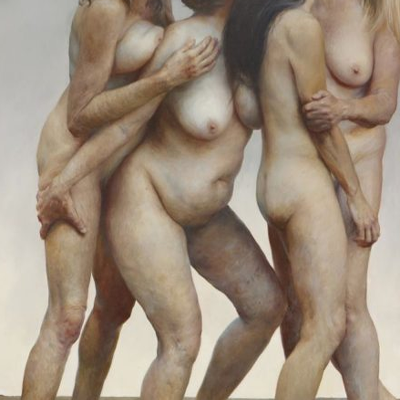
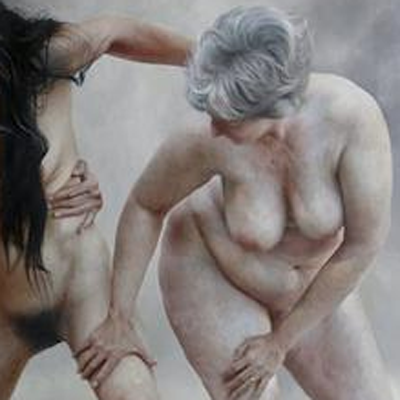
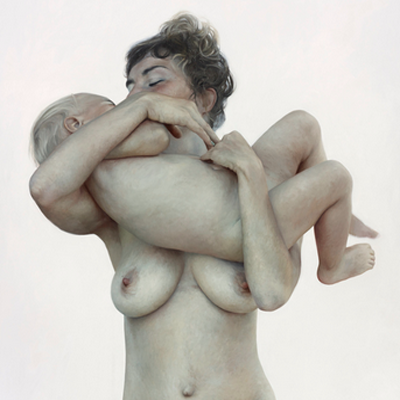
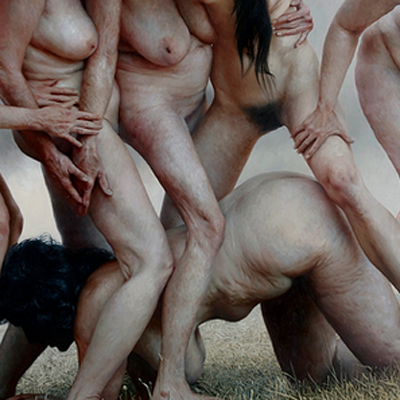
251014 – The Body – Flowers Gallery > words
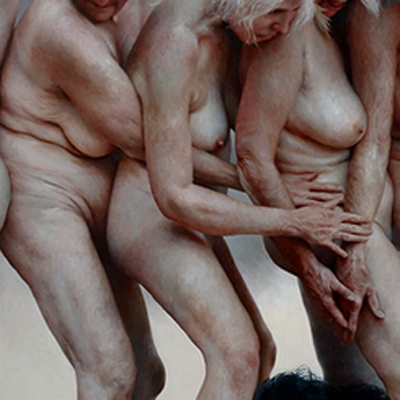
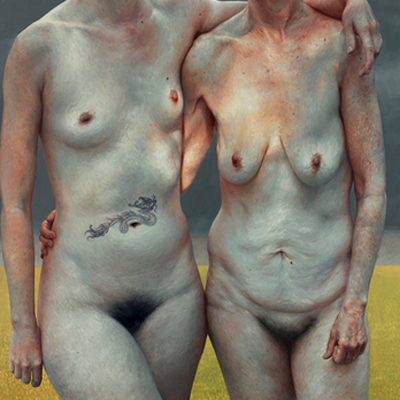
A morning visit to the Flowers Gallery Cork St to see the Aleah Chapin solo show Maiden, Mother, Child and Crone. Figurative art is still sadly off trend so I am so glad that figurative artists of this calibre still practice.
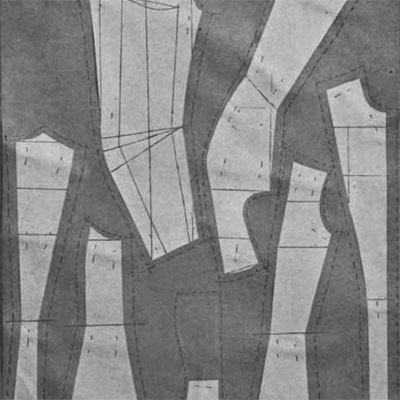
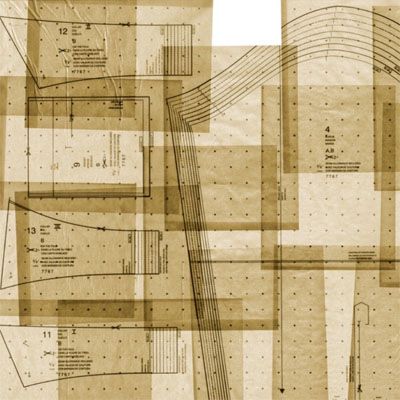
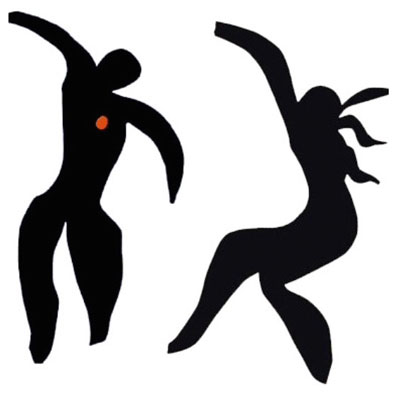
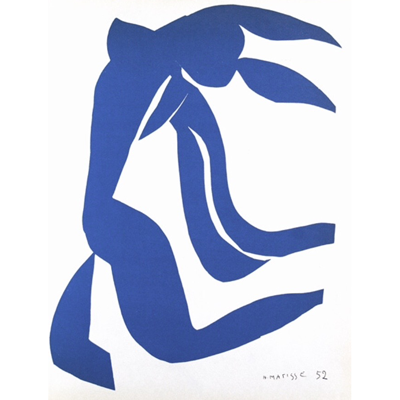
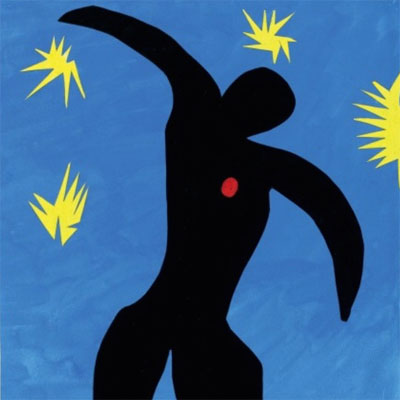
080914 – Pattern Cutting – Matisse > words
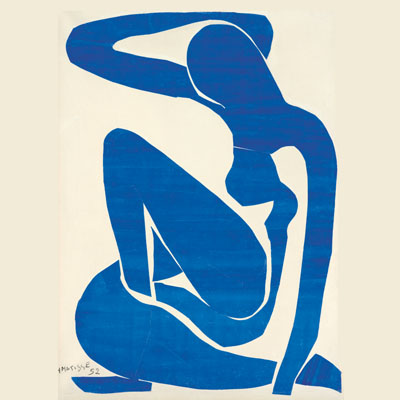
In 1941 Matisse was diagnosed with cancer and, following surgery, he found renewed and unexpected energies for creativity, producing works through paper cut outs.Vast in scale (though not always in size), lush and rigorous in colour, his cut outs are among the most admired and influential works of Matisse's entire career.
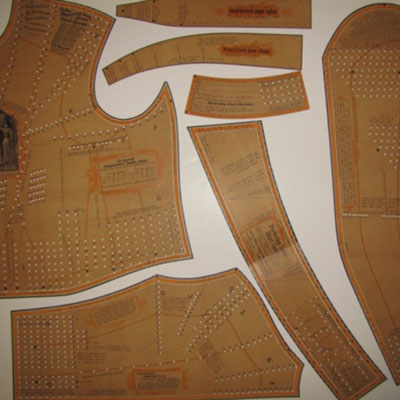
I am exploring the parallels between the paper cuts of Henri Matisse stencil work and the pattern cutting of fashion for possible window ideas.
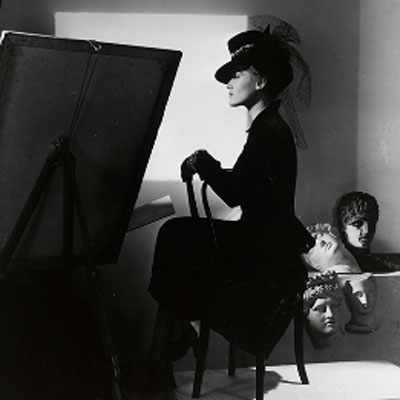
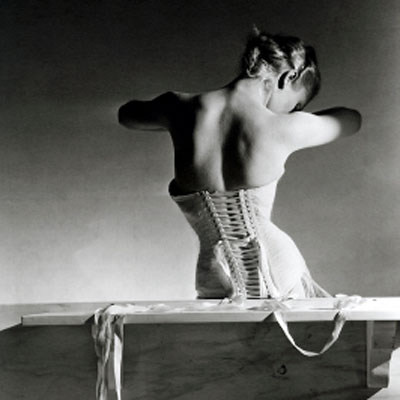
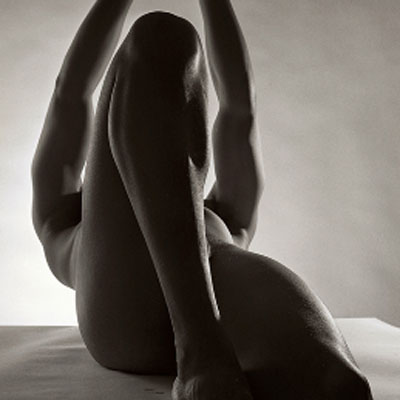
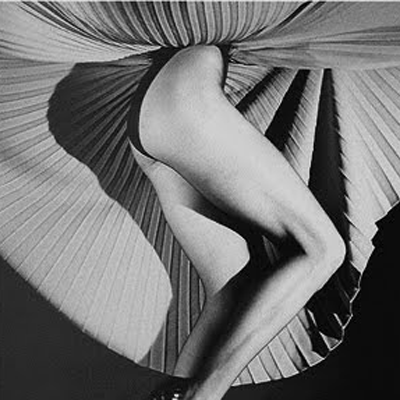
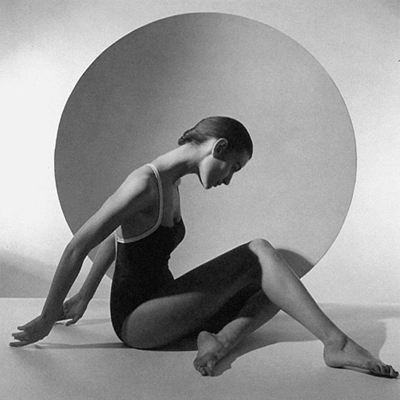
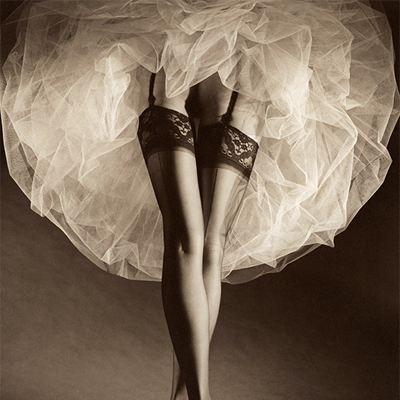
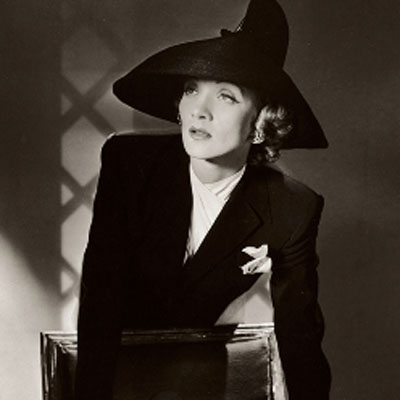
060914 – Grey Tone- Horst, V&A, London > words
Classic Couture from the 1930s photographed by Horst in delicate grey tone.
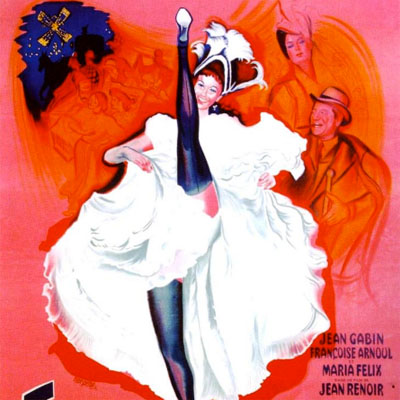
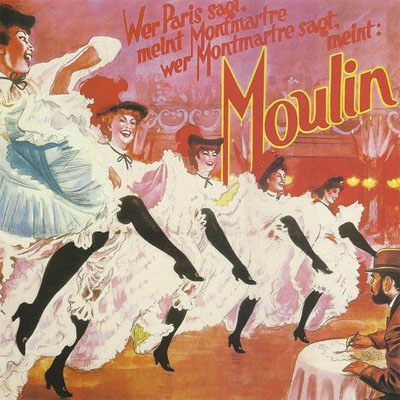
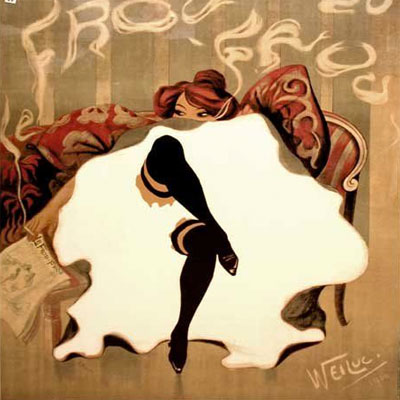
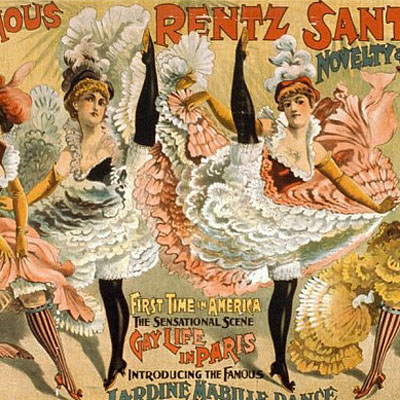
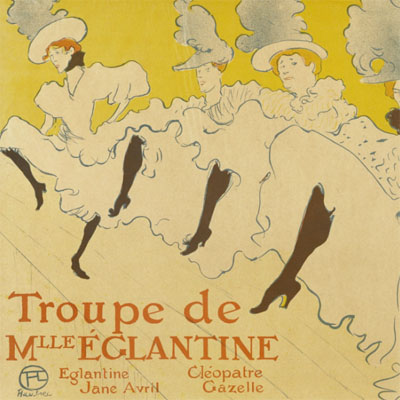
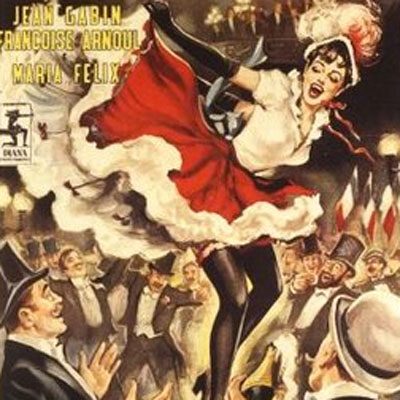
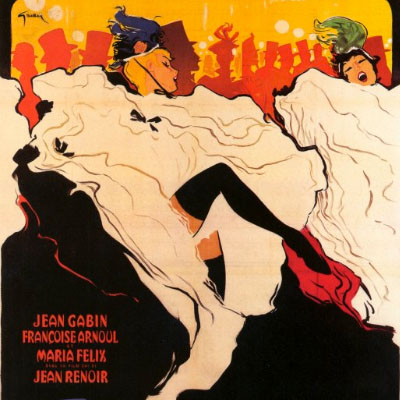
260814 – Can-Can – Paris > words
Work takes me to Paris to view the new Paris shop on Rue Saint Honoré. As I sit at lunch in a 21st Century Paris I muse the Belle Epoque that continues to haunt the city. The tourist postcards gratify the nostalgia with early posters of the Can-Can, Jane Avril and Toulous-Lautrec.
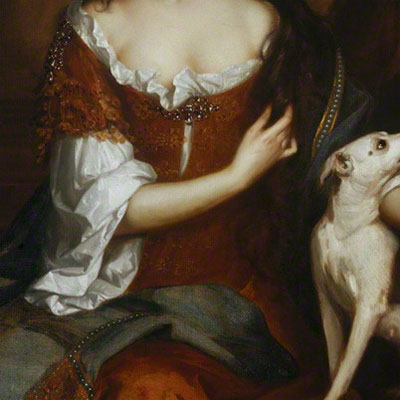
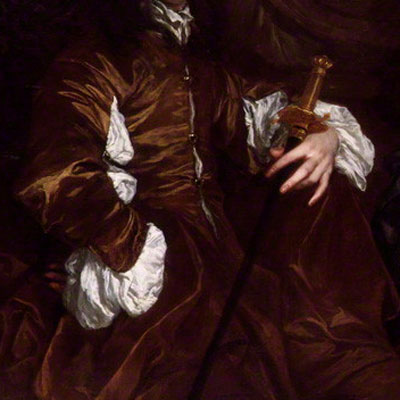
160814 – Stuart Dandy – National Portrait Gallery, London > words
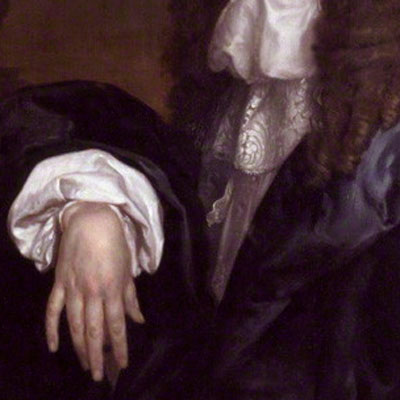
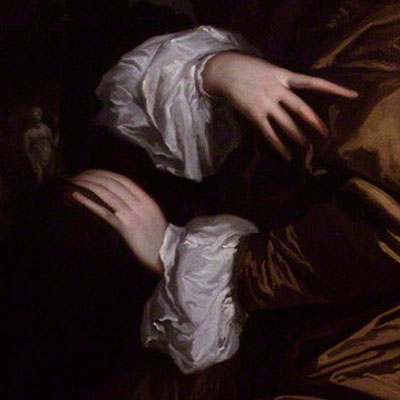
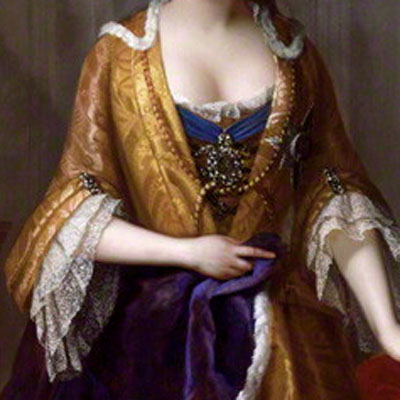
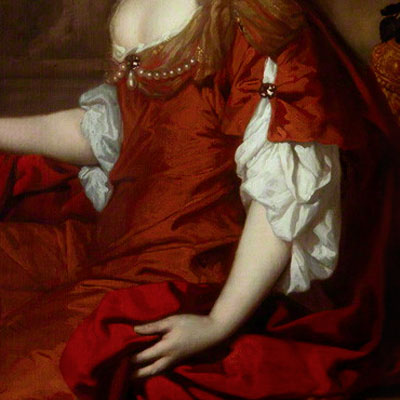
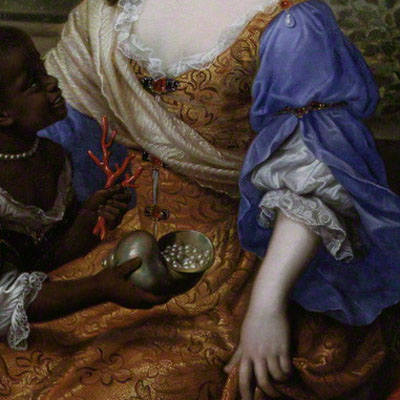
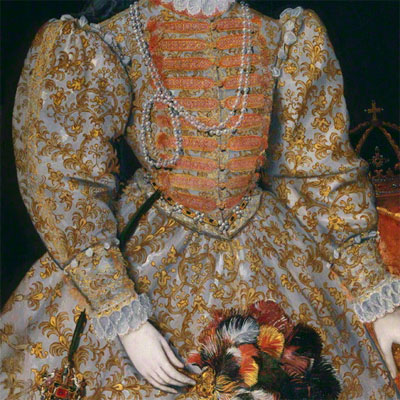
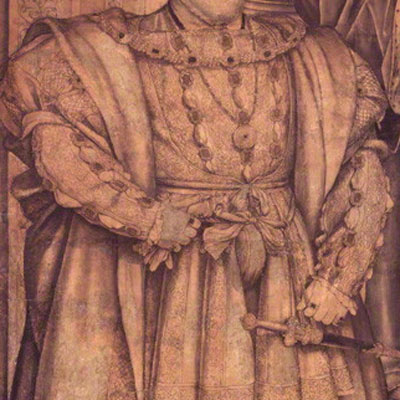
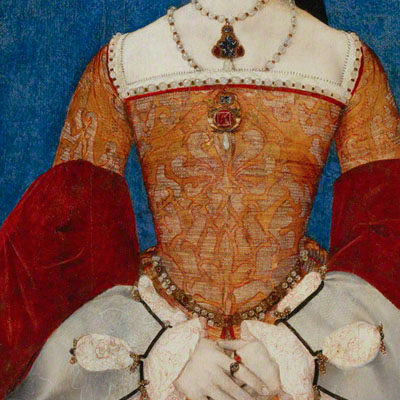
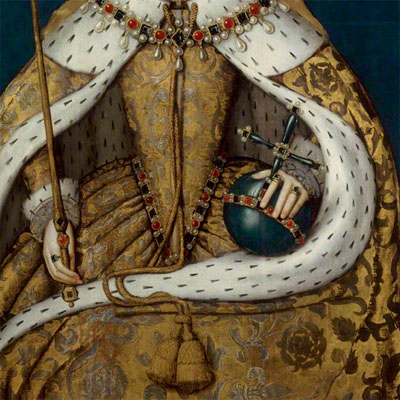
This morning we were in the Tudor Galleries this afternoon we are in with the Stuarts. Only one generation separates the Tudors from the Stuarts, the protestant from the Catholic but England had to do a lot of catching up between the two periods. The Renaissance had been in Europe for some time, both science and art had made huge leaps forward and along with this were changing social attitudes. Here this is all beautifully expressed through fashion.
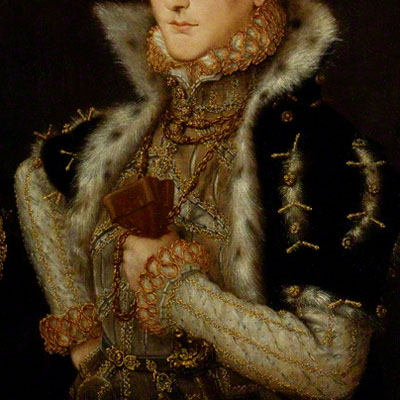
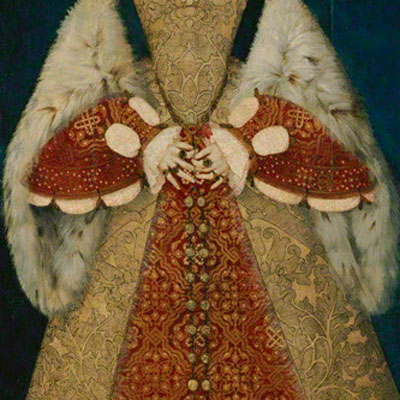
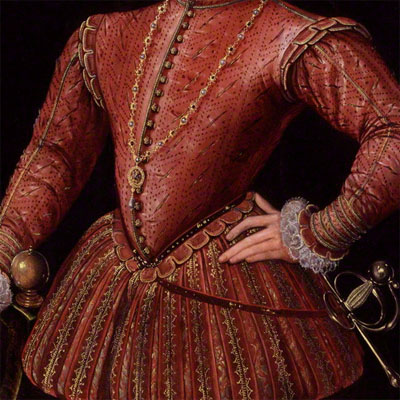
160814 – Cut and Fold – National Portrait Gallery, London > words
The clothes of the Tudors posed many interesting problems. At one level clothes are a political armour with a strict hierarchy of colour and material used linked to status. At another they need to serve the basic function of keeping warm. The clothes often wool based, heavily embroidered and backed. When worn in multiple layers, these make for a stiff material that does not hold shape. The techniques used to achieve free movement are the cut, the fold, the hinge and to add volume. The sleeve for example uses many variations on the theme to both bend at the elbow and allow movement at the shoulder. These include adding volume to the area of movement, sleeves splayed from the elbow or shoulders puffed and ruched. Or by cutting slits and vents that allow movement and allow a stiff fabric to hold a double curve. The outer garments can often be heavy and course so the under laying garments are in softer cottons and linen. This develops into and aesthetic that pulls fine materials through the slits on the outer layers and is a technique unique to this period. It also makes for unique juxtapositions when using linen, leather, tapestry and fur. A wonderful way to spend the morning and the counter point will be the Stuarts planned for the afternoon.
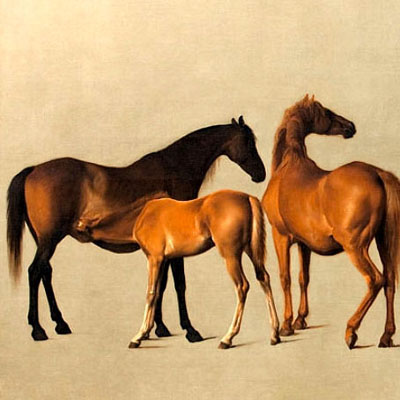
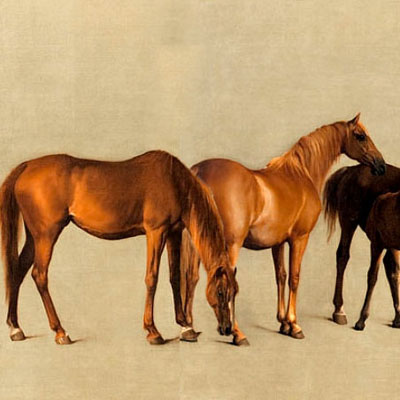
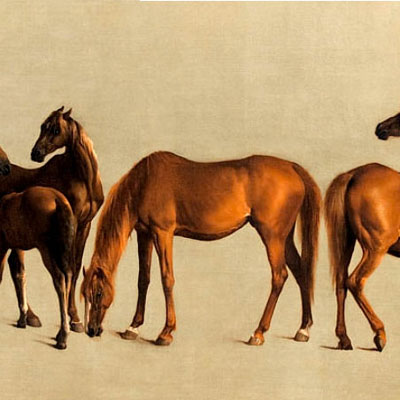
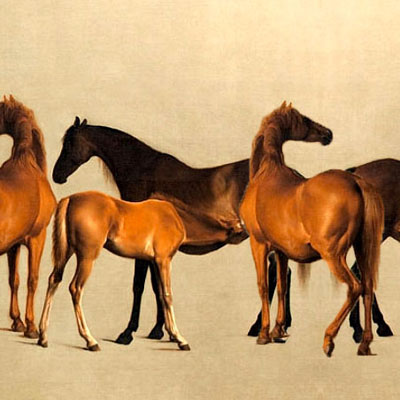
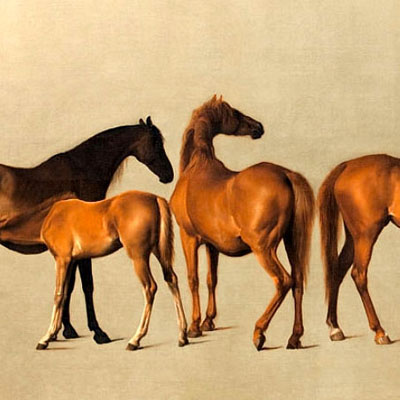
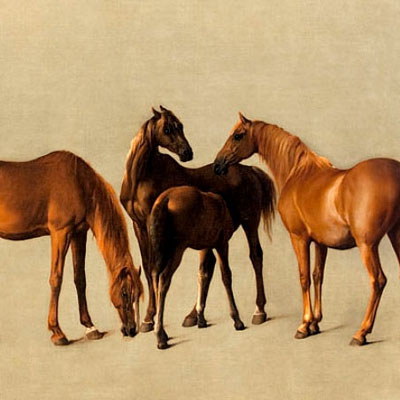
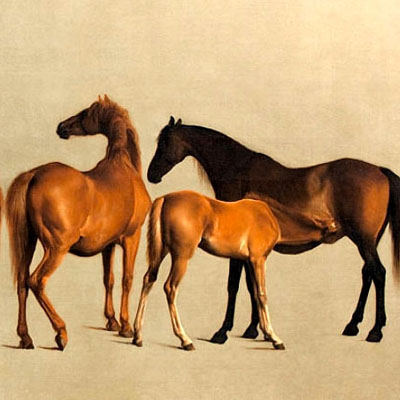
260714 – The Races – Ascot > words
I have been invited by friends to the Ascot King George Weekend on a day filled with blue skies and sunshine. In a box on the 6th floor, the canopy overhang and air conditioning made for a relaxed and pleasant day. As someone who has no idea about horse racing (apart from the weekly riding classes when young) and a non-gambler, I relied on the help of an expert via a quick phone call and placed my bet. The main race of the day King George VI and Queen Elizabeth Stakes was won by Taghrooda.
Image – George Stubbs, variations on - Mares and Foals Without Background.
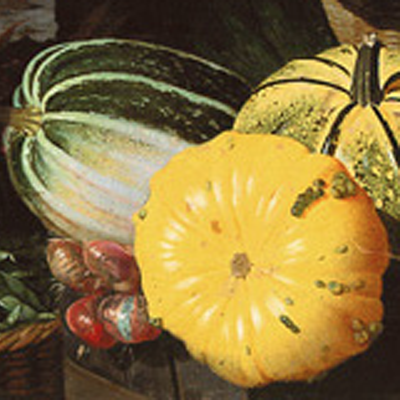
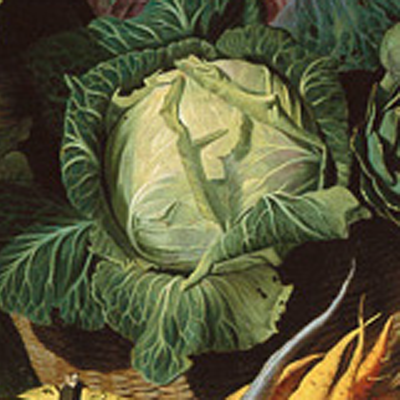
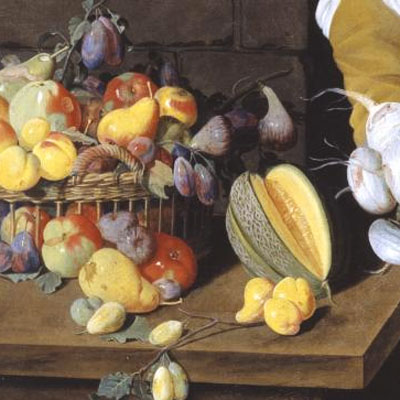
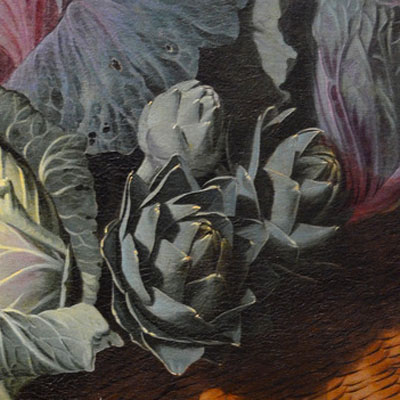
180714 – Cabbage Revolutionary - London > words
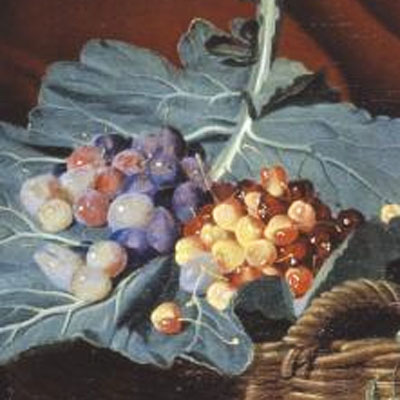
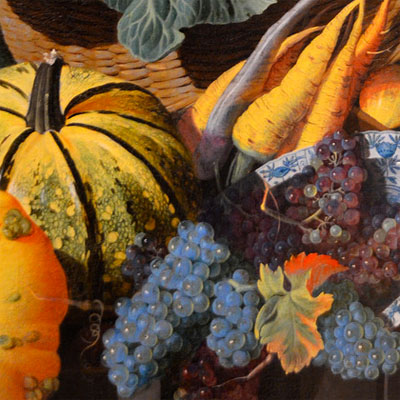
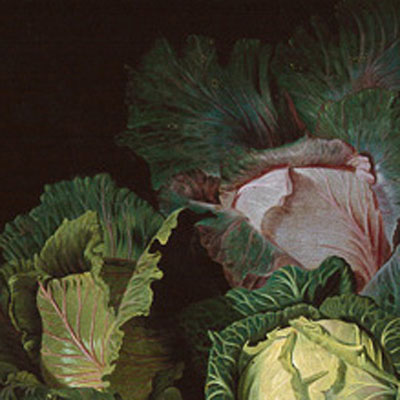
Work today leads to the researching of textures for use as a framing device and where better to start than the vegetables in the oil paintings of Sir Nathaniel Bacon’s Cookmaid.
In the 17th Century the aesthetic excess of the Baroque and Rococo were an expression equally of the excess of the Catholic Church and Divine Sovereign. The Baroque came to represent the abuse of power and consolidation of national wealth into the hands of a corrupt few. Painting the ordinary was a Liberal and Protestant protest to this excess and with this the genre of the still life was born. So these are some of the numerous vegetable revolutionaries.