
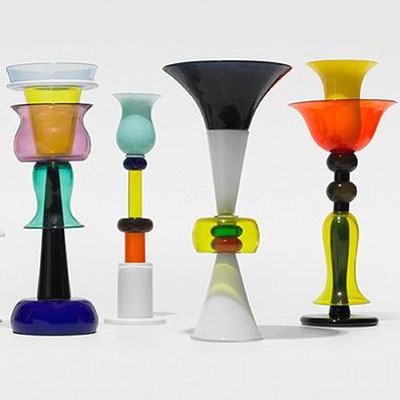
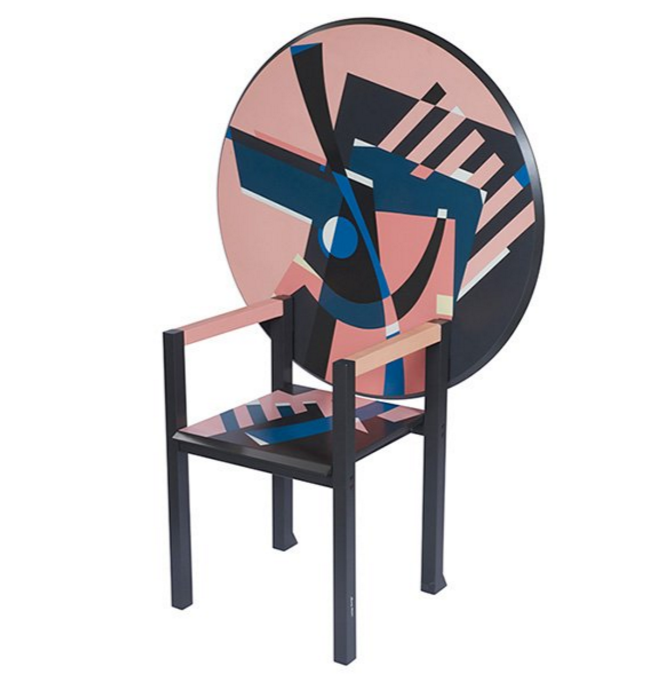
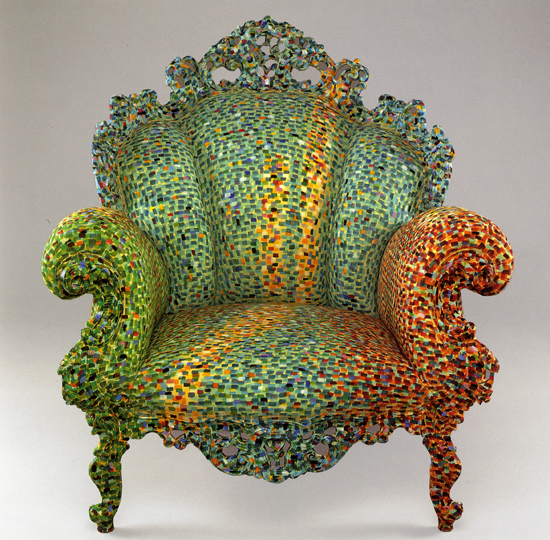
110416 – Memphis – Milan, Italy > words
I am writing this as my wife heads off to Milan for the annual furniture fare. She will be staying in Vivienne’s flat above the Westwood store in Corsa Venezia; lucky her. She leaves me at home to struggle on, failing to do all those things she does so well. It seems like almost a lifetime since I was last in Milan. When I was there I was a different person, with a different mindset and a different body, in fact I was another person altogether so unlike the person I am now. I was the existential nihilist, The Outsider, searching out other Outsiders with whom to work. So I can now use the excuse of Lorraine’s trip to Milan to recollect on my time there so many decades ago.
In the summer of 1983 I did the poor man’s version of the European Grand Tour. Fresh out of University and armed with a 1971 mini van that would be both my home and transport for the next few months I toured the architectural Greats of Europe to eventually end at my destination - the front door of Via Borgonuovo 9, Milan. I had come to work for Ettore Sottsass, he had no idea I was coming, no idea who I was and I didn’t speak Italian. My plan was simple, I would knock on the door, ask for a job and start work the same day. Only a student could come up with a plan like that. I was completely broke and camping at Monza. I had been introduced to the work of Sottsass by Penny Sparke and had written a dissertation on his work that was well received, from this I believed I knew Ettore. All I had to do was knock and he would say welcome, great to see you, we’ve been waiting for you, your desk is over there, the whole process shouldn’t take more than a few minutes. OK, so it wasn’t a same day start but I soon would work in the Sottsass studio at Via Borgonuovo, 9 and continue working there throughout 1983 and 1984. During this period I would also be fortunate enough to assist with the work of Studio Alchimia. I was exactly where I wanted to be exactly when I wanted to be there. My punk teens had drifted into the melancholy of Joy Division and Echo and the Bunnymen whilst at University. The world had problems. The 1970’s and 80’s I knew had little to do with the efficiencies of slick modernism. Working in a trendy High Tech London office would have been like drowning in corporate antiseptic. I’m sure I even had an allergy to the lime green studded rubber floors used in these offices that reeked of hospital and institution. So to Milan it was and to the Masters of Counter Design or Anti-Design. I was going to be happy anywhere that undermined the autocracy of Functionalism, hello Milan, hello Memphis.
At the same time, although young I was no fool, I was aware even then, that Memphis and Alchimia were not solutions they were merely reactions. They grabbed the dislocated complacency of modernism by the shoulders and gave it a good shake. A shake it well needed. Post Modernism was confusion, a search for the next direction. It was a confusing time to be a thinking student in any of the creative arts. Post Modernism was wise enough to see the many faults in the existing established systems but not wise enough to propose answers. We had entered the information age where we were bombarded by connectivity, symbiosis, numerous interrelated associations and yet the tools we had to decipher these were based on a Victorian scientific approach of compartmentation and analysis. The tools we had were inadequate, they were too slow and inflexible. The creatives that did well explored aspects of the complexity, structuralism, formalism, semantics, typology, regionalism etc. Three decades on and this work is still on-going. We still live in a time of flux, perhaps we always will, perhaps there was never, and never has been, any clarity or cohesion across capital, politics, sociology and technology. One system is always out in front waiting for the others to catch up, there is always imbalance and perhaps this is progress. Memphis in its own way was an aggressive agitator an ‘up yours’ to the status quo. It played with Kitsch, with the discarded, cheap laminates, bad junctions, clashing patterns and garish colours. It explored unusable items, it gave them characters, humour and personality. It questioned established taste with a ‘why not’ approach and the media that were at first abhorrent soon were enthusiastically supportive. Milan was the place to be and the basement floor of the Sottsass Studio was where the work was done. There were between 16-20 of us working side by side on anything from architecture through to fashion. At my desk I had fashion on my right and graphics on my left, one Hong Kong Chinese and the other Japanese. I was working mainly on furniture and products. The studio was multi cultural. The workforce had travelled from all over the planet to be there. All languages were spoken but the collective language, luckily for me, was English. Studios like this did not exist in England, fashion, furniture, industrial design, interior design, architecture and graphics were all mix up. Everyone had dead lines and as they approached we would all assist on each other’s projects, so as an architect I may be asked to assist on a graphic or fashion project. It was a rich environment to be in.
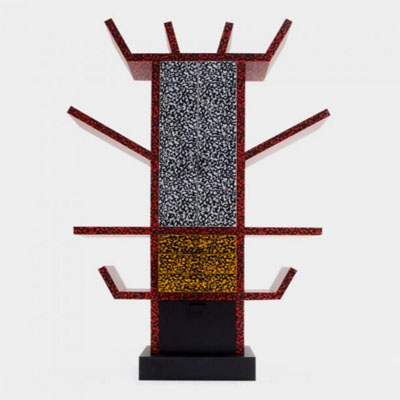
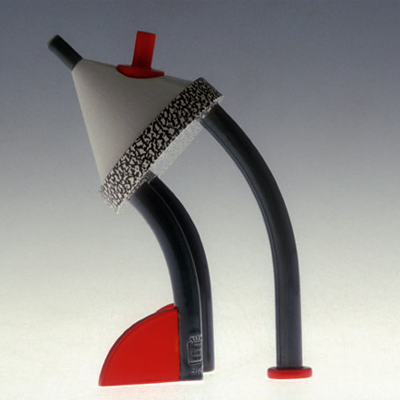
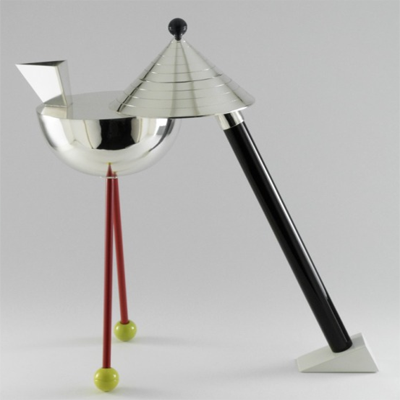
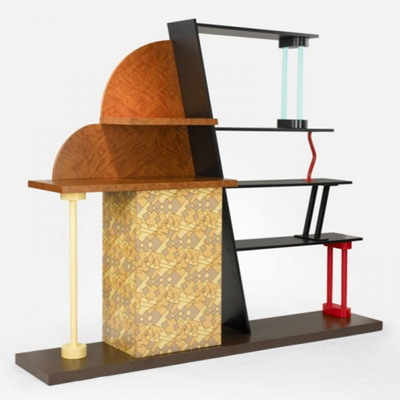
One of the reasons that I had queue jumped and managed to get a job at Sottsass was that they had recently undertaken a lot of work in America. The American architect in the office was soon to be leaving and they needed someone who understood feet and inches. I was English, that’s like American they concurred or at least more American than European and the English had once used imperial measurements so I was their man. When asked if I could fluently convert decimal to imperial the answer was a resounding “of course, yes”, I wanted the job. If I’d been asked to courier their work via jet pack I would have said “no problem, we have these at home” and somehow found time to read the manual before my first flight. So I am working on a large private house in LA and some showrooms across the US all in feet and inches. The drawings that I was sending out people were going to build from. I had no way of telling my new employer that the UK had dropped the imperial measuring system long before I had reached secondary school. So I am thinking in metric and then swapping all the dimensions to imperial, the process was slow. As one dead line approached I can remember screaming at the American architect “what retarded developed country still uses feet and inches anyway”. He was not impressed, he stared me straight in the eye and said “we took a man on the moon in feet and inches” touché, so once put in my place I never complained again. The architecture was architecture, crazy but still architecture. There was lots of industrial and retail work but the most enjoyable was product and furniture. It was all so spontaneous. A sketch would be developed to a set of crude working drawings, refined by a 1.5 model, a further set of 1.1 drawings produced and the piece would be made. The whole process might take only a couple of days. The studio was crammed full of maquettes, half finished models of projects, projects that had been shelved, projects that were picked up and restarted, or chopped up and used as part of another project. Ideas bounced around the studio as quick as new ideas could be formed. So it was highly probable that someone would be finishing your idea before you had finished it yourself. It was a wonderful chaotic, productive madness and the work the studio produced was beautiful, relevant and very influential. The work of Studio Alchimia, although more craft based, was as equally important in changing attitudes towards what design could be. Memphis and Alchimia reintroduced mannerism, character, humour, the tactile, the sensorial and the referential back into design. This opened a way for others to follow increasing the richness and vocabulary across a whole range of mediums for generations to come. It was a good time to be in Milan and here are some of my favourite pieces from that period.
Images 1-5 Memphis, 6-7 Studio Alchimia
The Surrogate Twin
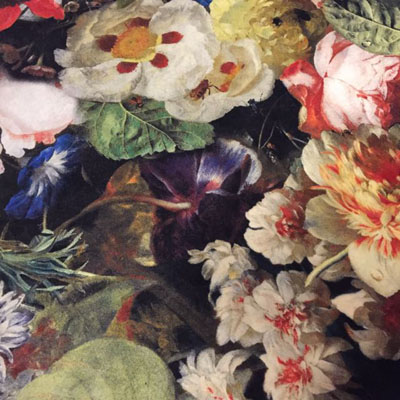
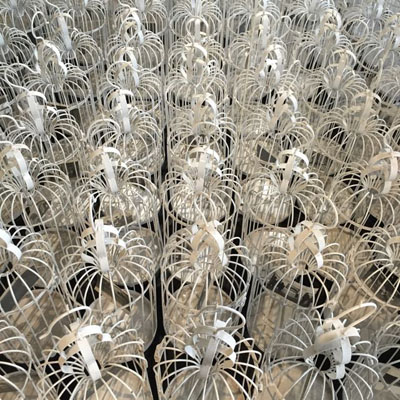
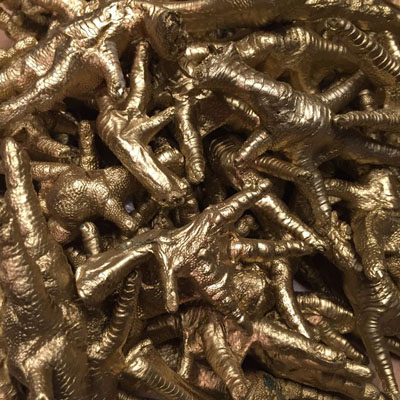
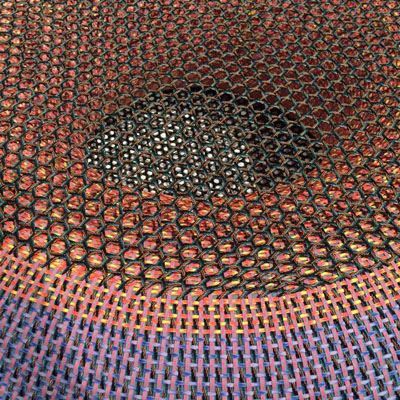
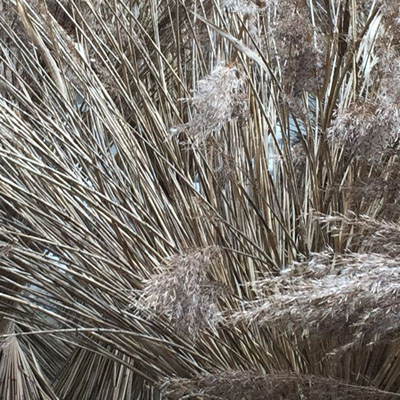
120416 – Textures – Salone del Mobile, Milan > words
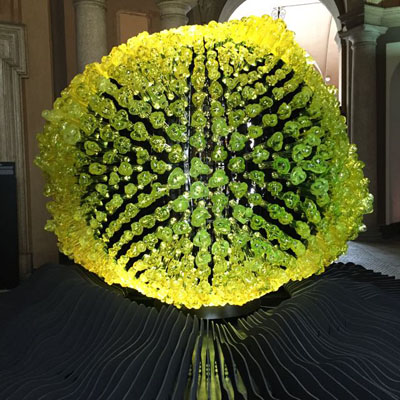
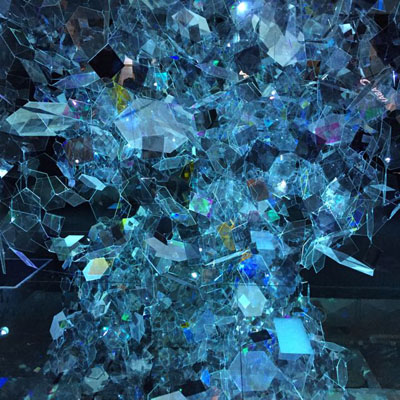
I am in Milan from 12th to 15th of April for the Salone del Mobile and other events including the Vivienne Westwood in store reception. I did the Nike 5k run of Milan whilst here just to better tour the city. Images are of various textures from the Salone del Mobile.
020416 – Progeny – Museum Of Brands, London > words
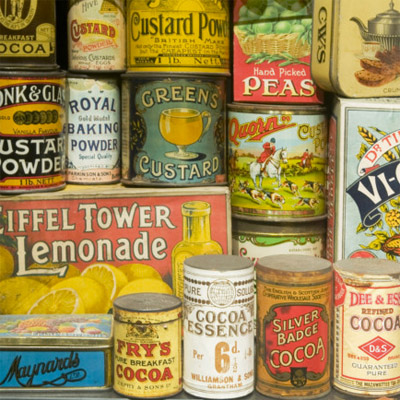
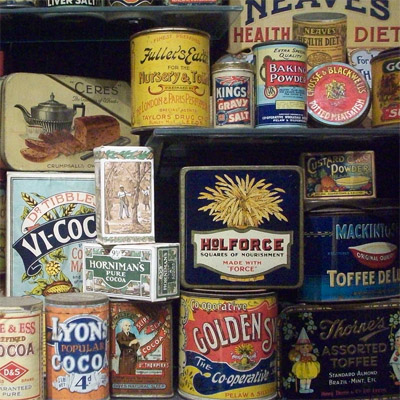
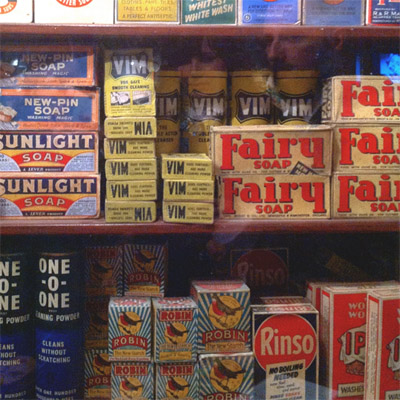
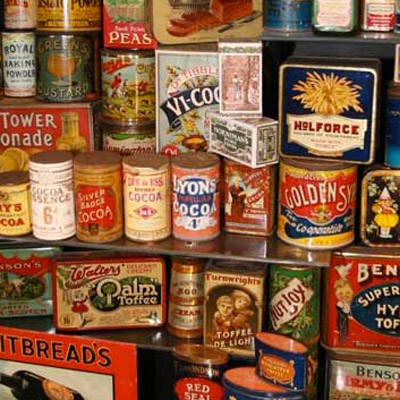
The Museum Of Brands is a strange place to want to be on a sunny Saturday morning, it is everything you spend your life trying to avoid condensed into one collection all in one building. The Museum was founded in Gloucester by Robert Opie in 1984 and moved to London in 2005.
My reaction to the collection hit in three stages. First there was nostalgia the memory of things once owned or viewed. It is a common reaction among those that visit. You can hear visitors ask their partners “did you have one of those” “did you see that” “my nan had one of these” – “so did mine”. The second reaction is one of horror as one realises that every generation is bombarded by waves of similar information from across all brands. A soon as one brand catches its generation prey the others close in. It’s a type of advertising feeding frenzy. The horror comes from the fact that the principal advertising target is nearly always the very young and early teens either directly or indirectly. The second reaction to the horror is made more painful by the first reaction of nostalgia. All of those earlier conversations “did you have one of those” “ did you see that” only confirm how much ones own life was dominated and manipulated by the induced need for what was usually unnecessary and irrelevant. Creating ‘stickiness’ within the market and then milking it for all its worth is piled high on every shelf with endless variations of merchandising upon a theme. Collective sets and families of things are recurring motives.
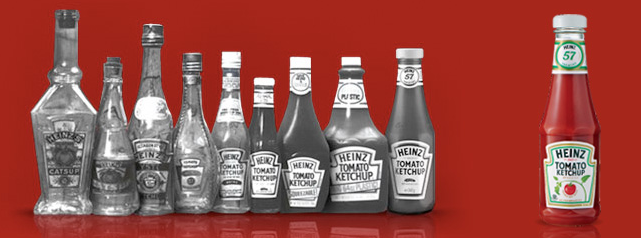
The third reaction to the collection was one of progeny. Just how long some of these brands have been going and how ferociously they fight for their market share of recurring customers. Once a customer is hooked on the product the packaging and sales approach does not change for decades, even multi generations.
It was interesting that the earlier Edwardian and Victorian brands were sold on ideas around Empire and Nation and that post war ads tended to focus on the family or the individual. This is obviously contextual but is partly determined by the speed of the medium delivering the message from Edwardian print, through radio and wireless to TV and the Internet. As the medium speed increases the precision for targeting also increases. This is very apparent today with personalised adverts armed with information gathered from the databanks of search browsers and sold on to whoever is willing to pay. The ads that arrive in our mailboxes know our middle names, our shoe size, our birthday, our musical taste, our favourite colour, our sexual preference. After collating all of this information somewhere out there on the web exists an idealised ME grouped together with others that resemble the idealised ME an idealised collective awaiting the arrival or perfectly matched products. There’s a wonderful sense of irony in this that the collective ME consists of people that I would probably get on well with but will never meet. All this information technology leaves each of us more isolated, tapping at the ends of miles of a fibre optic cable.
The Surrogate Twin
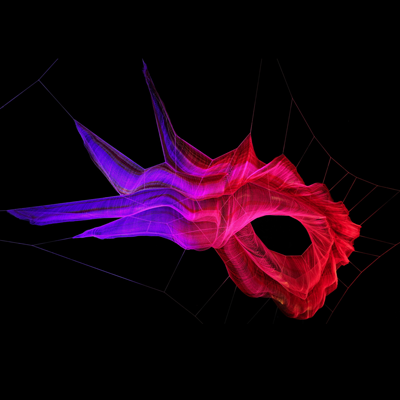

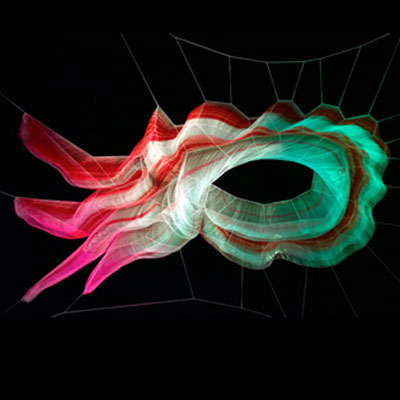
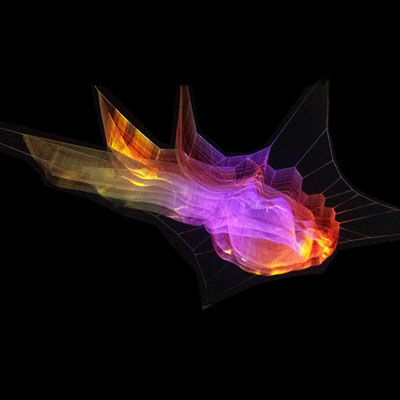
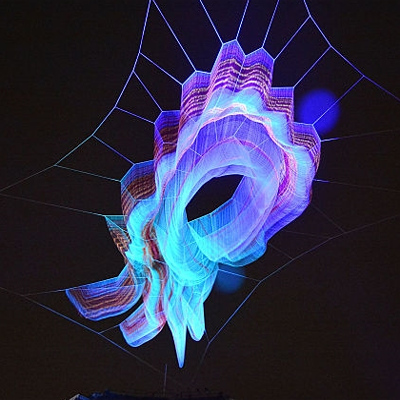
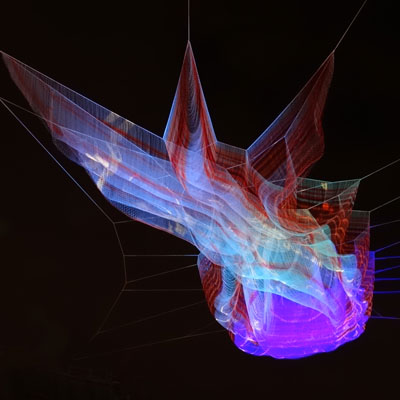
160216 – Nets – Regent St, London > words
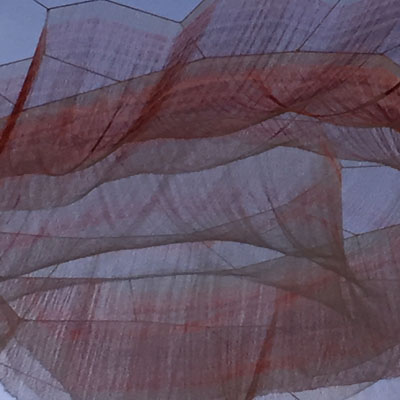
Jane Echelman is a lighting designer working with nets and gossamer structures. Here the installation in Regent Street a suspended net captures choreographed light that changes in colour and modulation giving the nets an ethereal floating quality. The photos show the nets by day and by night.
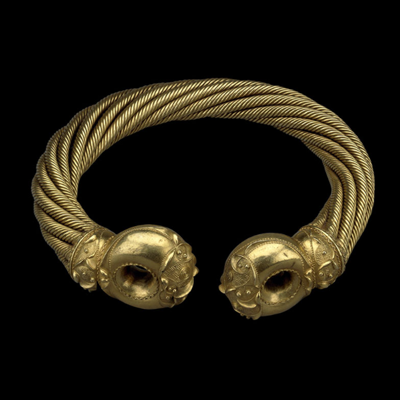
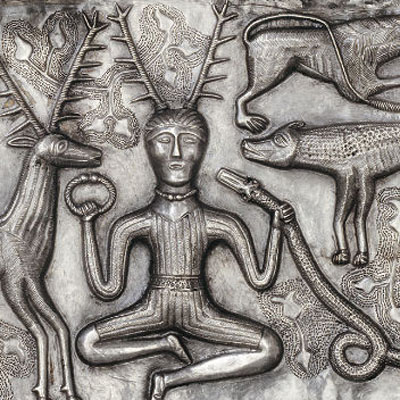
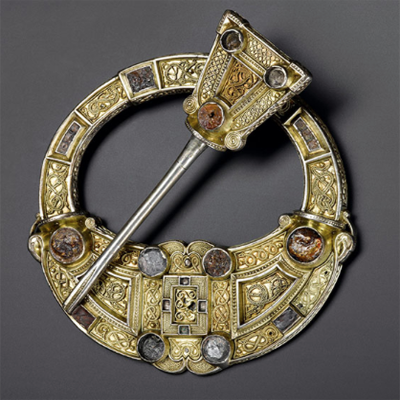

160116 – Celts – British Museum, London > words
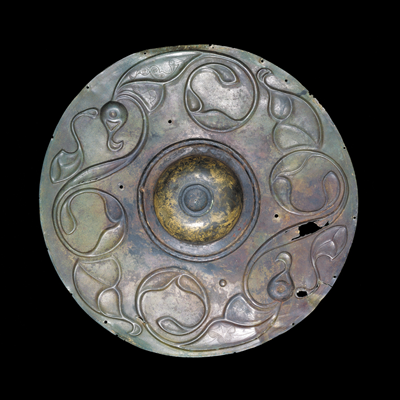
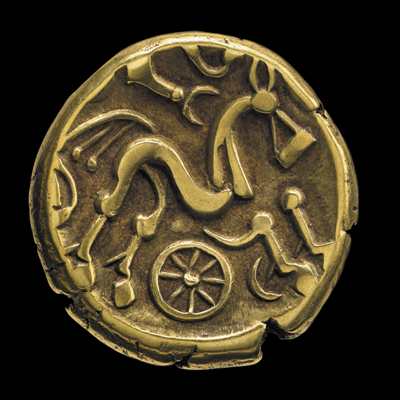
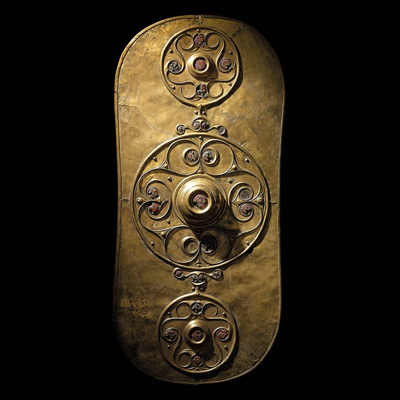
Looking at art works over 2500 years hold is a humbling experience. One is immediately aware of ones own insignificance. We occupy our place on spaceship earth for a nanosecond of geological time and within that micro duration we try to create something of value or of use that helps the collective that is the human race. We often talk of The Dark Ages or here The Noble Savage or The Pagan as if these were times without value. Design, technology, social and political structures are and have always been evolutionary the speed of development often controlled only by the speed of communication. The filigree work on a gold brooch from 700AD is as skillful and considered as any from the Middle Ages. The lynch pin that holds a wheel onto a fixed axle cart is as practical an engineering solution as was required. The meandering curves of Celtic art with elongated animals, deer and ducks, have an aesthetic sensibility and compositional skill still influential today.
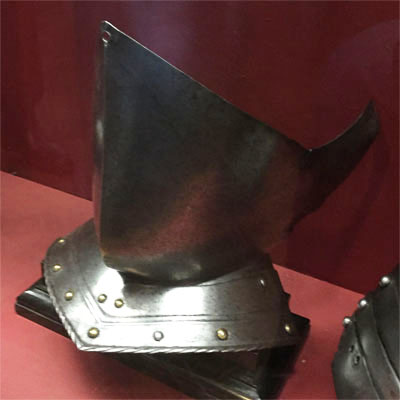
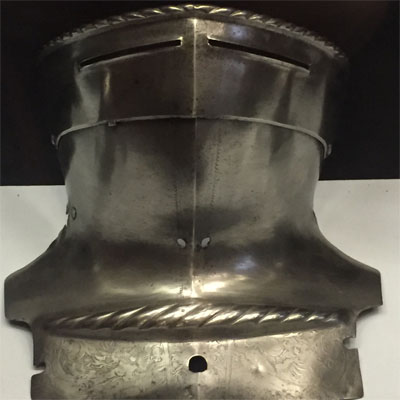
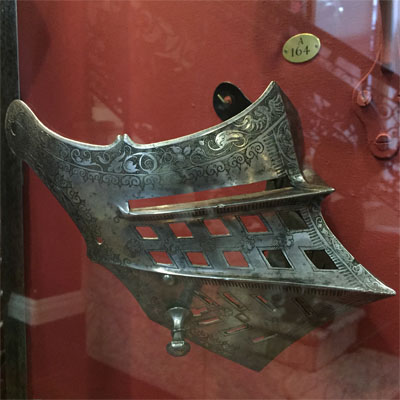
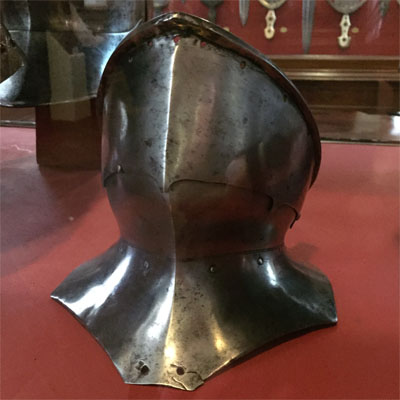
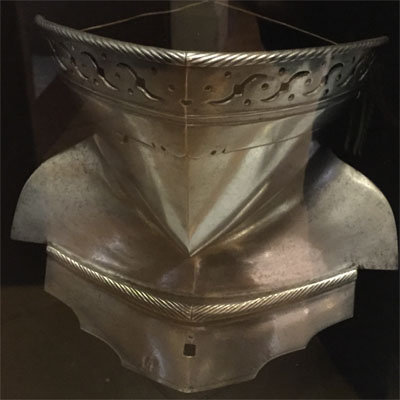
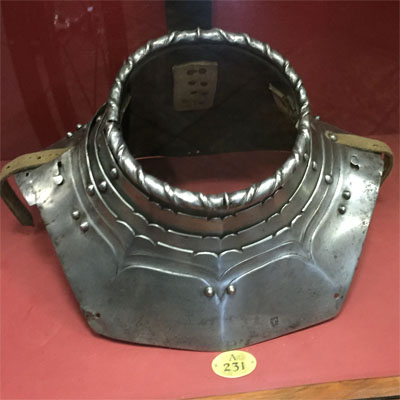
090116 – Collars – Wallace Collection, London > words
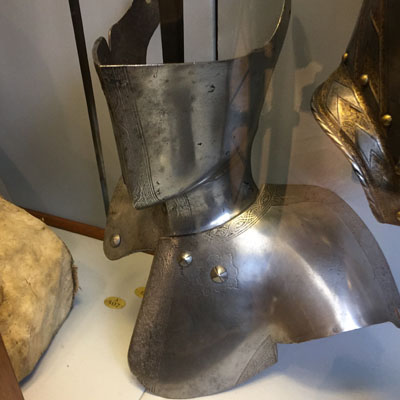
Buffs - Last weeks visit to the Wallace Collection was so inspirational I am back again this week looking primarily at translating armour into fashion items. I have focused on collars but the ideas of embossed, gilded or engraved hard elements that could be used to accompany a collection prevails.
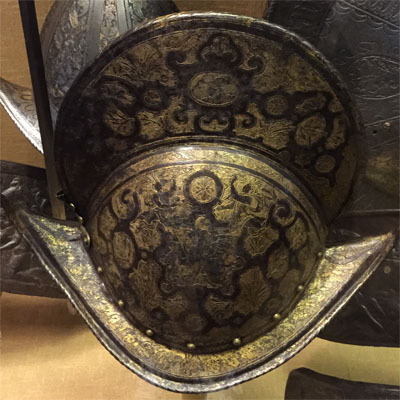
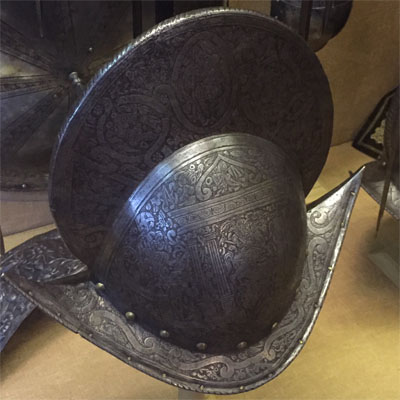
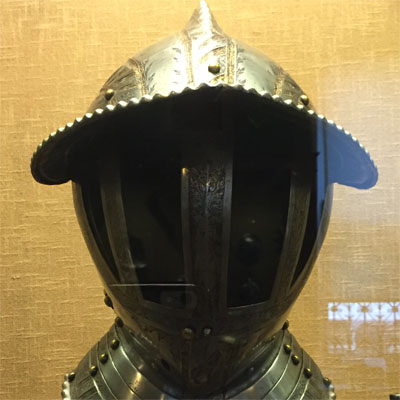
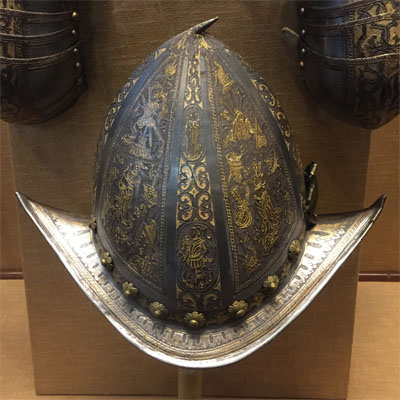
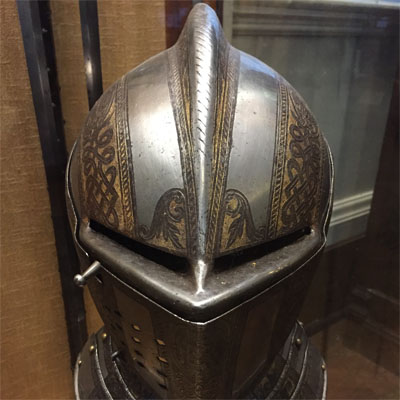
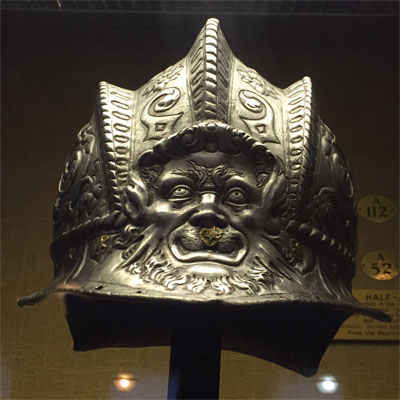
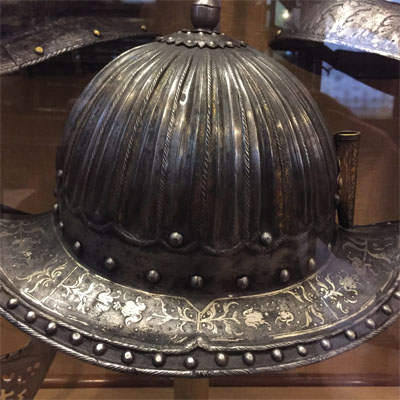
010116 – Hats – Wallace Collection, London > words
Yesterday I sat reading my Christmas present book Fashioning The Body and an amazing book it is. The book discusses the constant historical re-shaping of the human form for aesthetic, political and sexual agendas and chronicles the worn architectural constructs that enabled this. So where better to spend New Years day than at the Wallace Collection researching under the theme of Hats and Gloves body armour. Sheet metal dressed, fluted, gilded, embossed, engraved, slashed, emblazoned with symbols of political power and symbols to protect the wearer and intimidate the foe. And the language of armour is as rich as the craftsmanship barbute, bascinet, burgonet, cervelliere, hounskull, brigandine, pauncer, aventail, culet, rerebrace, sabaton, tasset to name but a few.
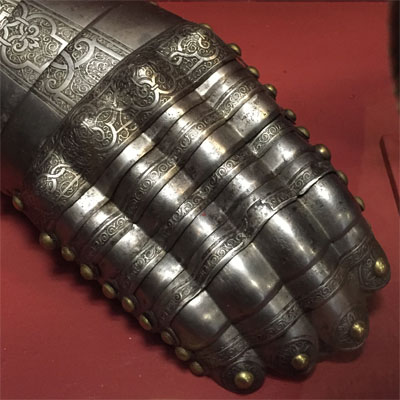
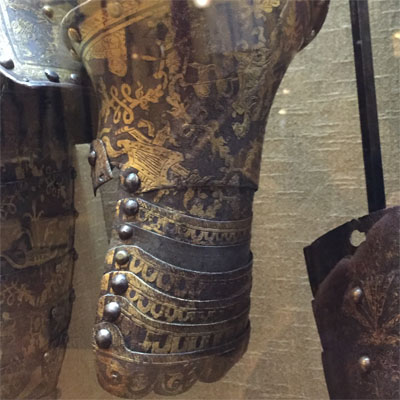
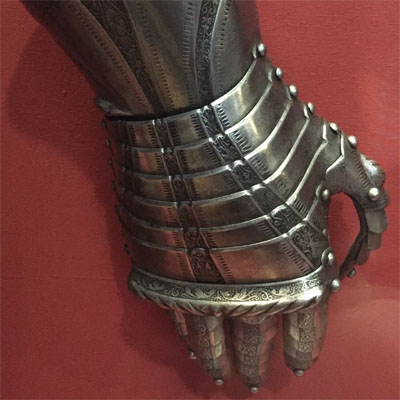
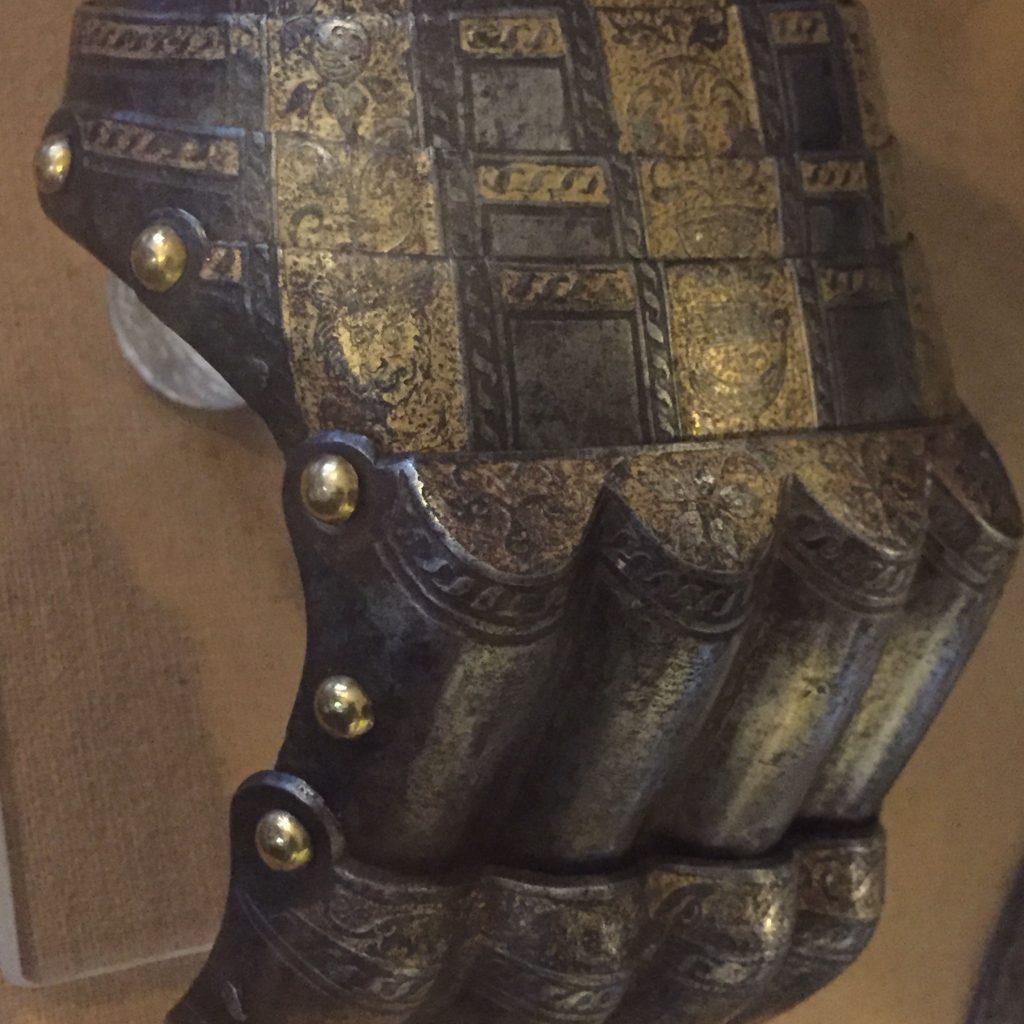
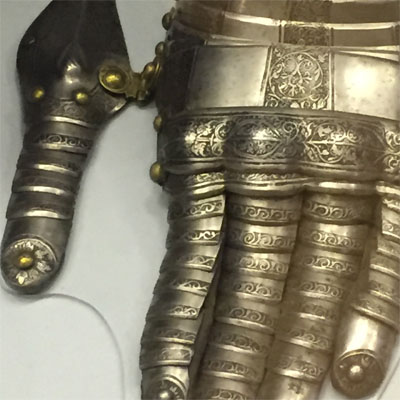
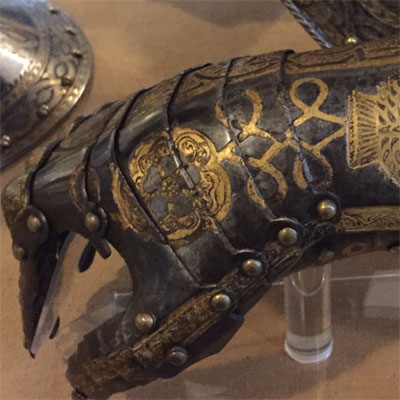
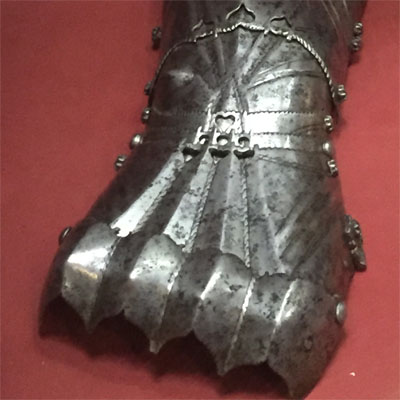
010116 – Gloves – Wallace Collection, London > words
Yesterday I sat reading my Christmas present book Fashioning The Body and an amazing book it is. The book discusses the constant historical re-shaping of the human form for aesthetic, political and sexual agendas and chronicles the worn architectural constructs that enabled this. So where better to spend New Years day than at the Wallace Collection researching under the theme of Hats and Gloves body armour. Sheet metal dressed, fluted, gilded, embossed, engraved, slashed, emblazoned with symbols of political power and symbols to protect the wearer and intimidate the foe. And the language of armour is as rich as the craftsmanship barbute, bascinet, burgonet, cervelliere, hounskull, brigandine, pauncer, aventail, culet, rerebrace, sabaton, tasset to name but a few.
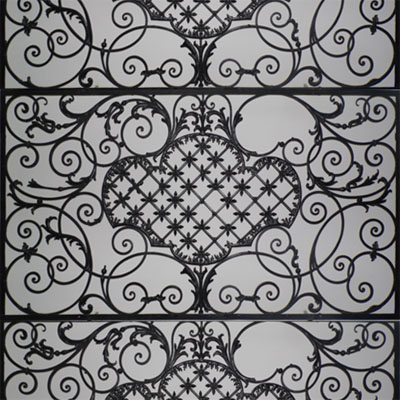
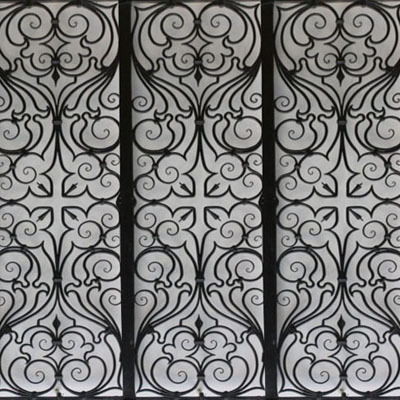
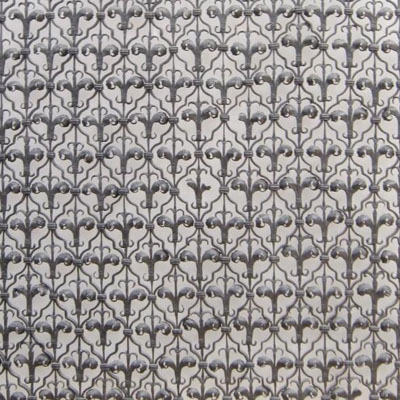
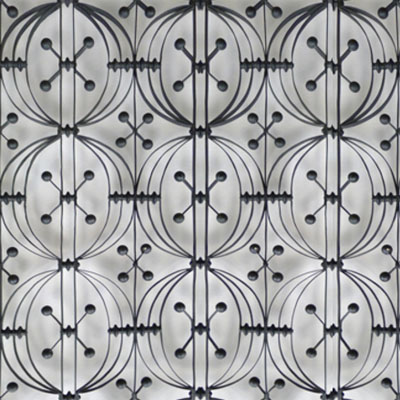
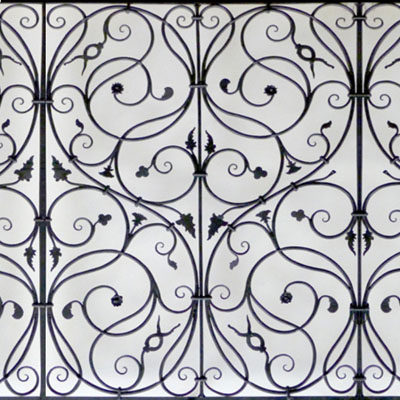
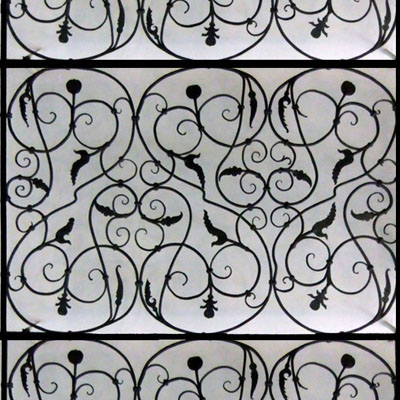
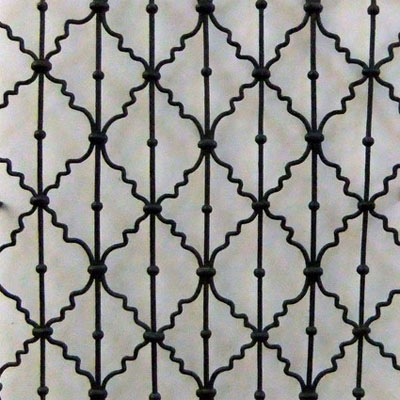
281215 – Knitting With Iron – V&A, London > words
Back at the V&A again, probably my favourite place at the moment the collection here is endless. Today I am in the Ironwork Galley looking at iron lacework. Simple techniques such as bending, spitting, upsetting, twisting, punching, tapering and drawing applied numerous times on reiterated shapes and fused together make exquisite patterns. To see how a recurring twist or knot can overlay the grammar of a diagonal grid or the endless meander of leaves and volutes.
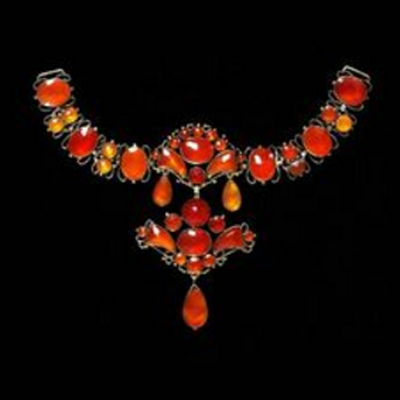
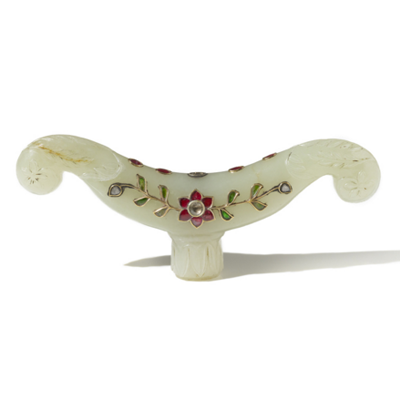
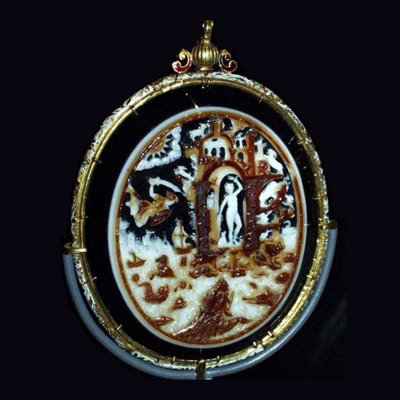
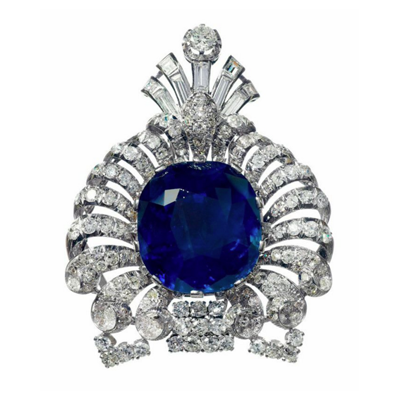
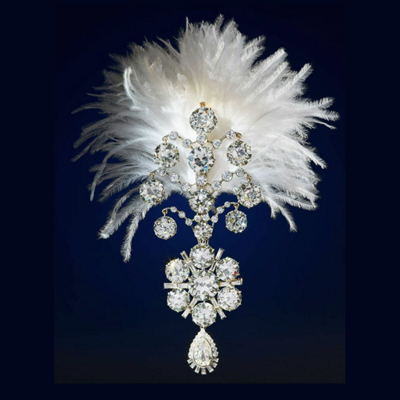
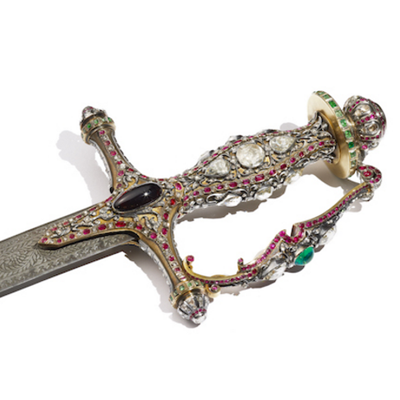
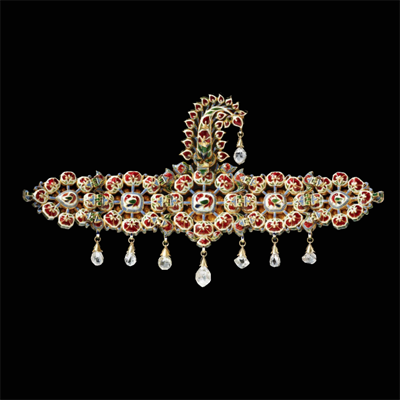
191215 – Bejewelled – V&A London > words
The Al Thani Collection. Ancient techniques for setting, clasping, enameling, cutting and polishing all used to make kaleidoscopic compositions
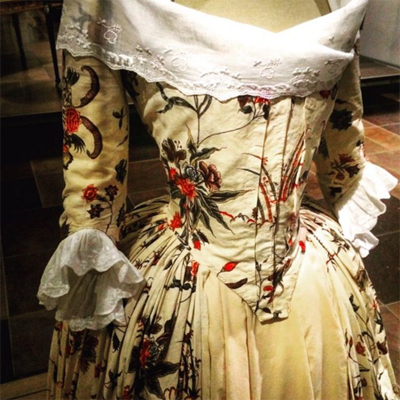
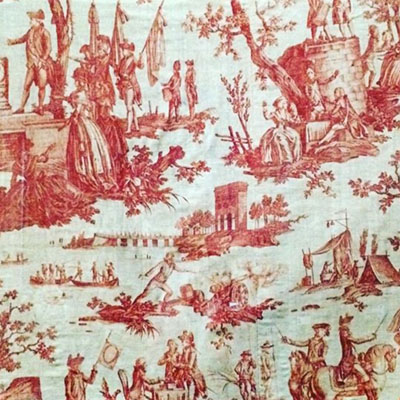
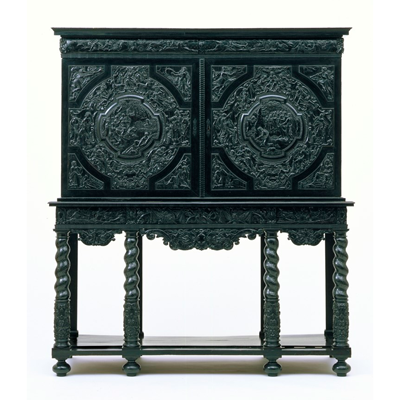
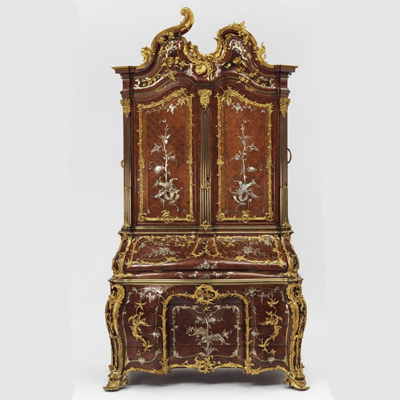
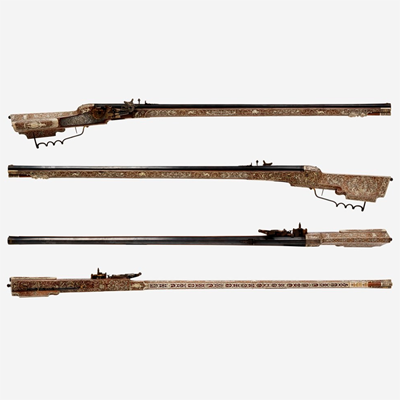
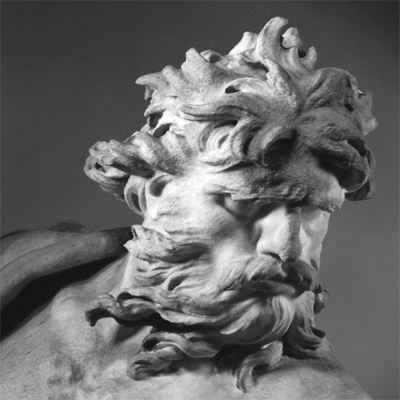
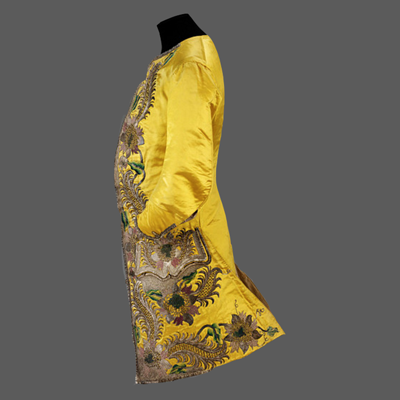
131215 – Europe 1600-1815 – V&A, London > words
The new galleries at the V&A are now open covering European work from the 17th and 18th centuries. The galleries explain the transition of Europe through three distinct periods. The early 1600’s where Europe is under the influence of the Italian church followed by the early 1700’s under the power of French Royalty. Finally the later part of the 1700’s Europe under the influence of colonialism and the trade routes. These are beautiful galleries with exquisite detailing showing some incredible pieces of work. There is way too much for one day with the senses quickly reaching saturation. At one extreme the extravagance of baroque composition and its use of dramatic lighting and at another the mechanism of the wheel lock pistol. This is a multi visit gallery and one I will enjoy viewing as often as I can.
The galleries sit below ground level but open via a staircase to the main foyer that must look beautiful on plan. Unfortunately on a winters day the galleries quickly fill with the cold air from the foyer and are proving problematic to heat, an interesting problem for ZMMA.
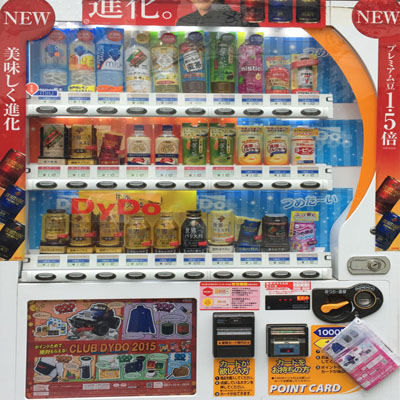
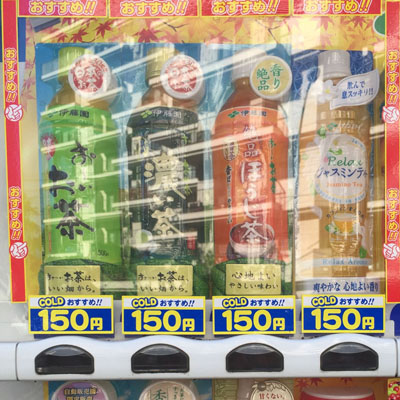
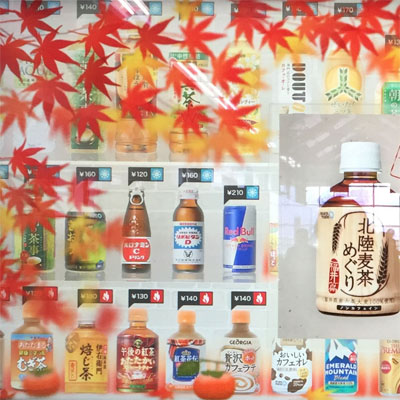

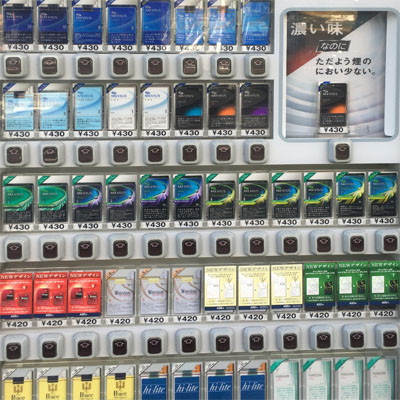
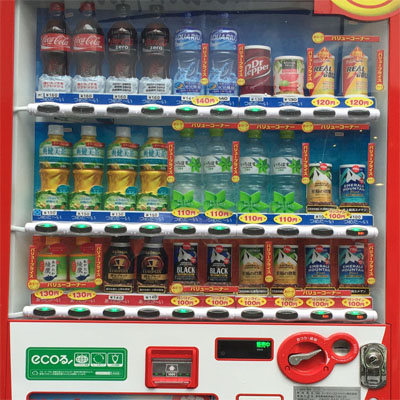
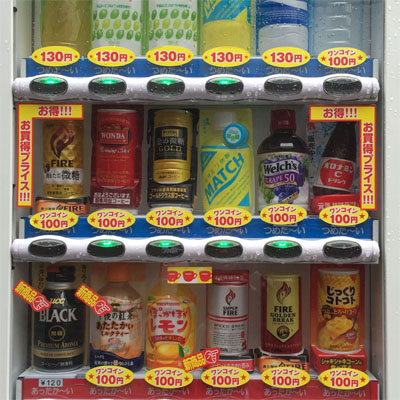
25-301115 – Vending – Tokyo > words
I’m in Tokyo this week preparing for the Alice In Wonderland book launch (see spatial tab). For the diary I decided to collect some Tokyo graphic art in combined 2D and 3D in the form of vending machines. Here are some samples.
011115 – Percussion – Hyde Park, London > words
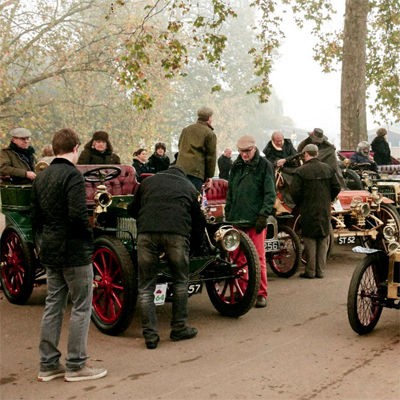
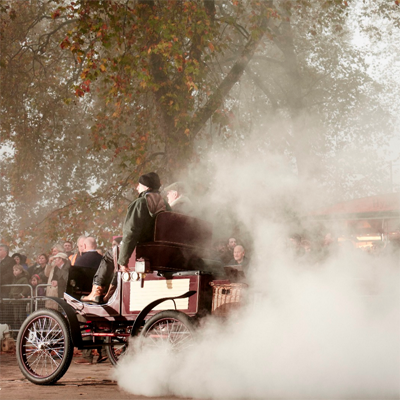
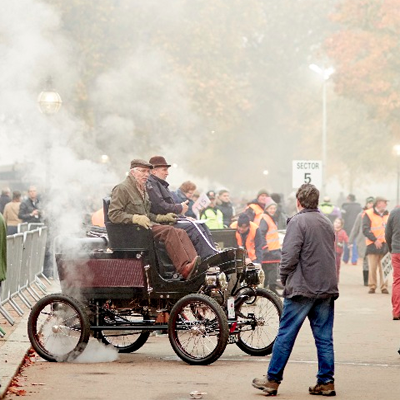
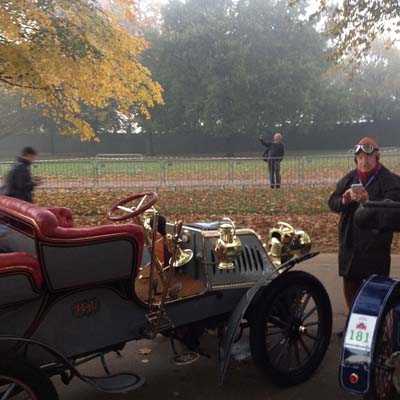
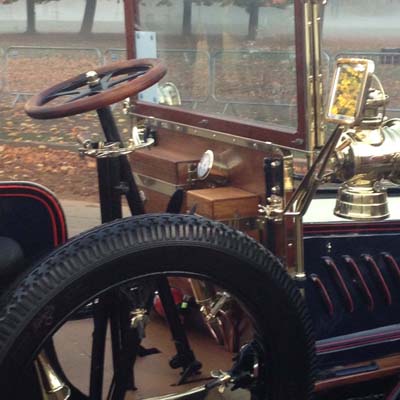
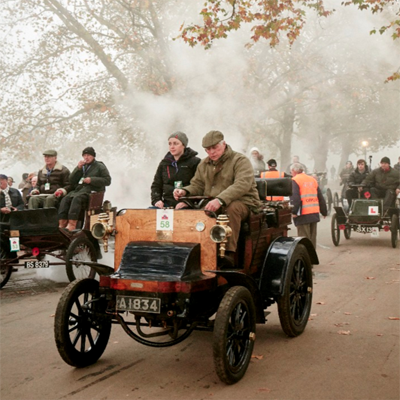
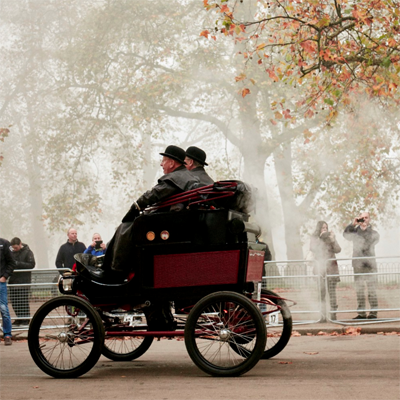
It’s pitch dark and we are up at 4.30am to get to Hyde Park for 6.15am to witness the start of the London to Brighton run with cars from 1888 through to 1905 running. It’s a fantastic misty morning with an autumn leave backdrop and the Serpentine lays mirror still. The air is full of smoke and oil accompanied by the clatter of vibrating mechanicals. Huge four litre single cylinder engines popping up and down shaking everything attached to them into a forced motion choreography, occupants included. Depending on the displacement, upon the number of cylinders (usually one or two) and the rotation of the cylinder block this describes the dance. With the cylinders placed vertically the car vibrates up and down, the whole vehicle bouncing on its leaf springs. Headlights nod, hats flap, bodies jog. The cylinder block placed horizontally shakes the car from side to side, everything wags, left right, left right, occupants move in a rhythmic counter sway all to the percussion of a-chuga-chug, a-chuga-chug. There are over 400 hundred cars all swinging and jittering whilst playing percussion in one huge mist enclosed orchestra. Today we were slow and missed our chance we were overwhelmed by the shear excess of the day but now we have a clear agenda for the next meeting. After the cars have all left on their run to Brighton we move on to Berners Tavern (with the amazing ceiling) for breakfast.
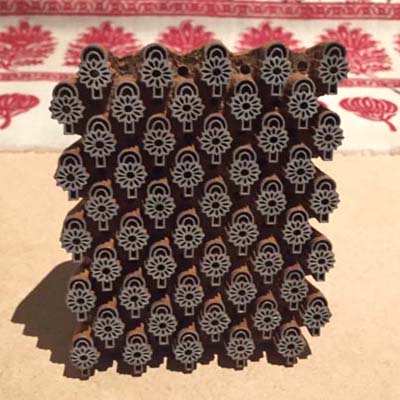
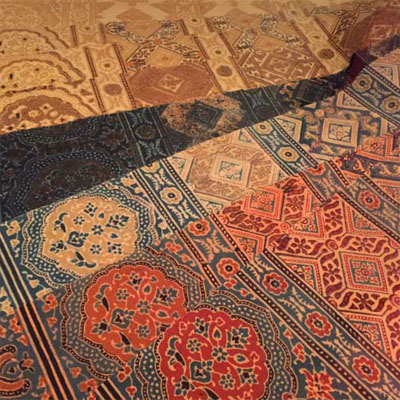
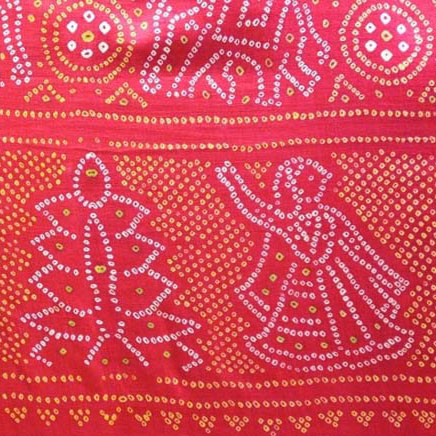
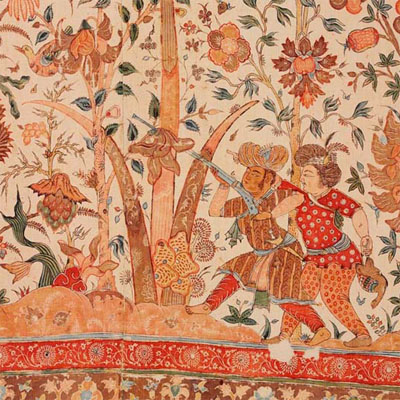
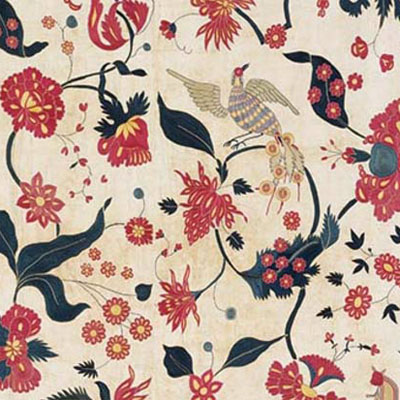
171015 – The Fabric Of India – V&A, London > words
This morning I am sitting in my bathroom staring at a towel. It has a double sided combed cotton pile. It has a hemmed border and both ends have a flattened detail over several bars that make a diagonal wave across the warp of the towel. The towel is a faded lilac I have had it for many years. I have washed it, dried it, folded it, I have washed with it possibly thousands of times. The towel is made of Egyptian cotton. I know this as it is written on the label. The towel is just an ordinary john Lewis towel and I find myself staring at it blankly as I do not know exactly how it was made. I am reminded that so many of the everyday objects that I use I have no ideal how they work, what they are made of or how they were manufactured. What has bought me to this towel staring was the exhibition at the V&A The Fabric Of India.
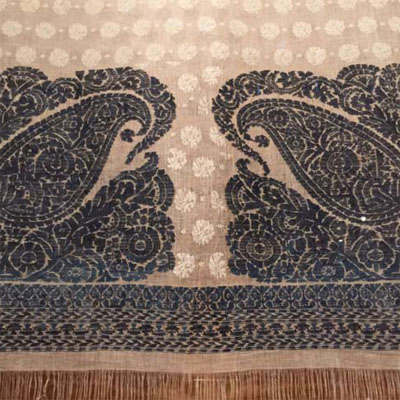
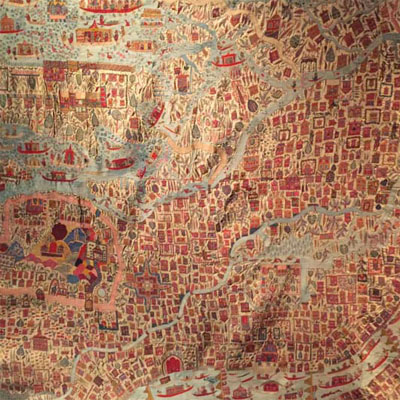
The exhibition splits into two distinct halves. The first talks about techniques and processes the second about conclusions and uses. The two halves of the exhibition space are joined by a delightful transition space made with walls of vertical elastic cord that have a wonderful optical affect when moving. When just through the transition space and I am confronted with a 200mm border of an asymmetrical composition of people, animals and plants and I read that it has been woven. At this point I realize that I cannot understand how this is possible. The complexities involved are beyond comprehension when knowing that it is made by hand working on a primitive loom. I can understand warp and weft, I understand how to make basic patterns, I do not understand how a pattern can be given a bias one side to the other or how to make complex asymmetrical compositions. A fascinating exhibition and one that will be scheduled a re-visit. It was a shame that a working hand-loom was not in operation as the primitive sounds would have added greatly to the ambience.
270915 – Apple – Selfridges, London > words
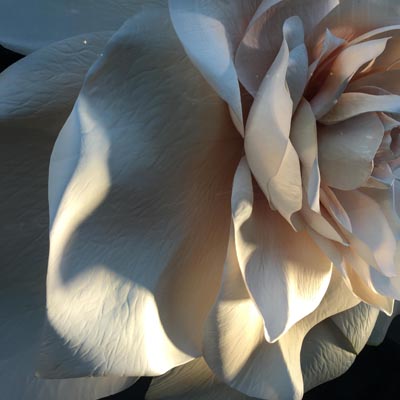
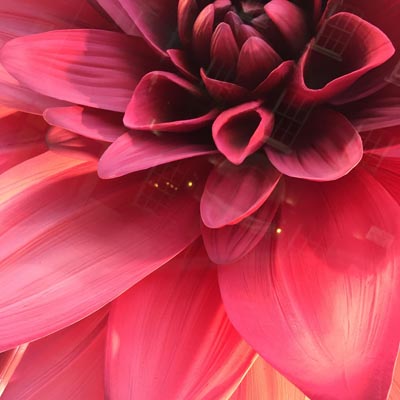
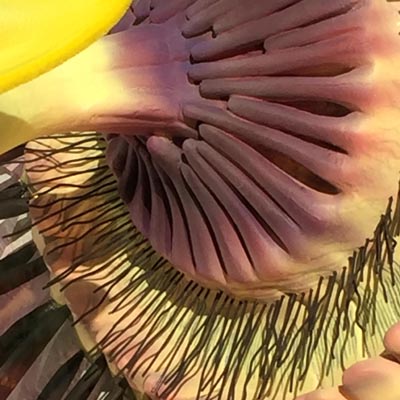
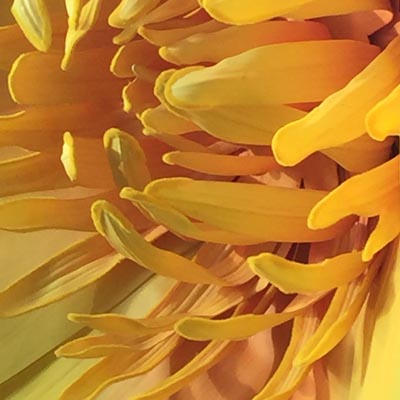
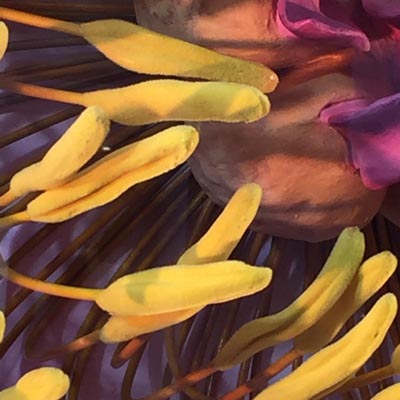
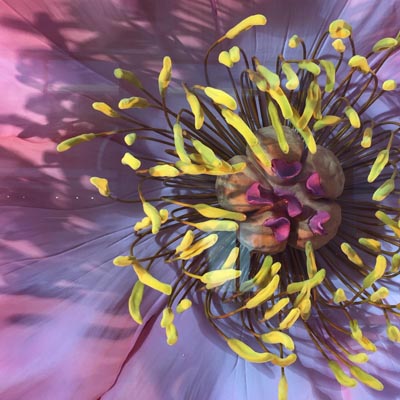
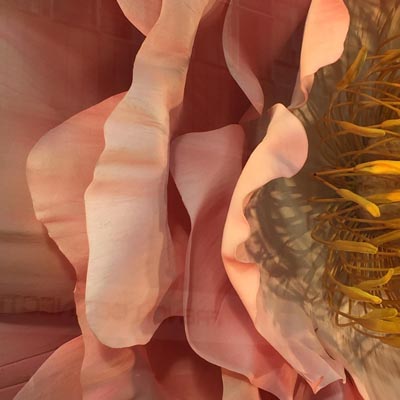
The Apple window for the Selfridges store in London is an impressive art installation. I have been unable to find out who carried out this work or how it was done but there is very little repetition. I would guess that this is one of the largest installations of 3D printed work I have seen to date. Inspired by the screen savers on the Apple watch the installation has been on view since August and I often visit when in the area. Here are some detail photos.
270915 – Glass & Ceramics Re-Visited – V&A London > words
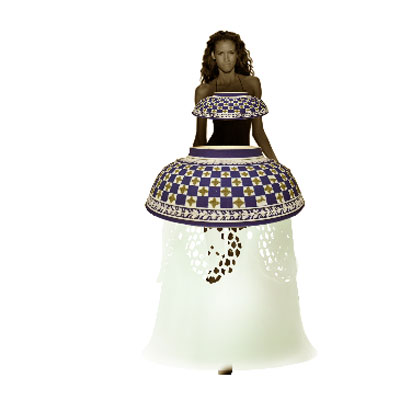
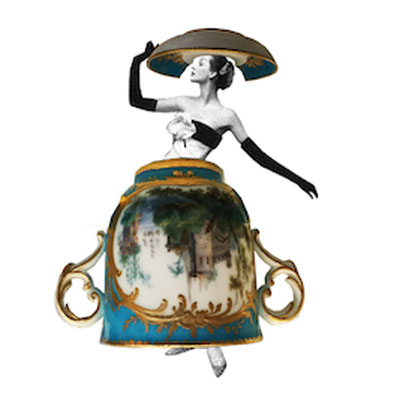
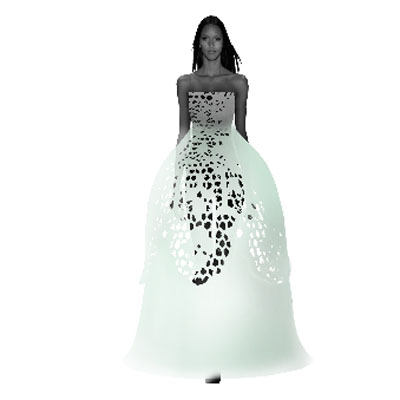
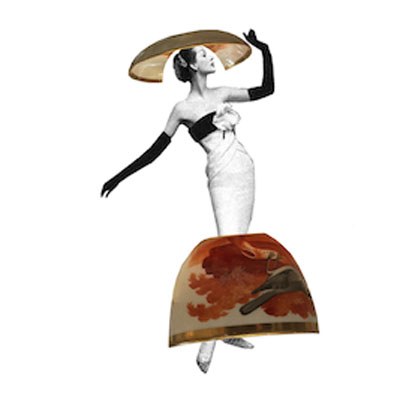
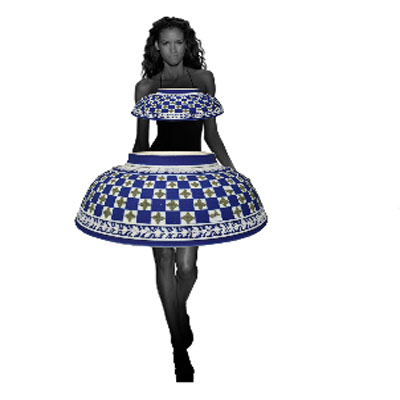
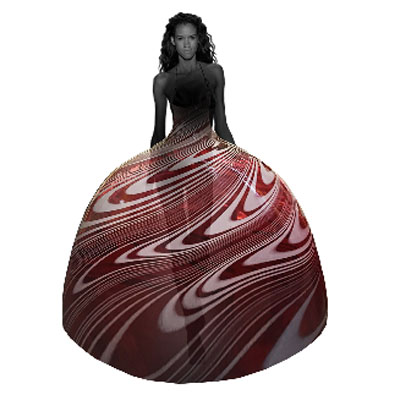
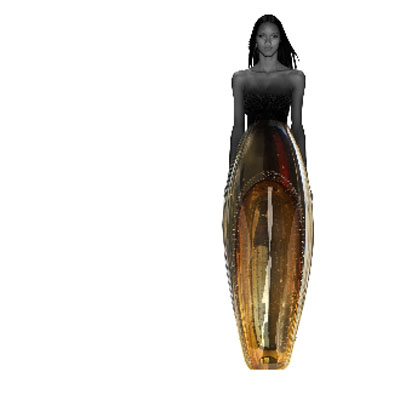
Today we were at the V&A looking at the often-visited galleries of ceramics and glass. The objective was to look at possible new forms for fashion using items and qualities in the displays as inspiration. Some sketches below.
220915 – Volkswagen – News > words
Today I’m in shock at the news that Volkswagen knowing doctored emissions tests. This has to be one of the most stupid decisions I have ever seen by a corporation of this scale, a corporation I had huge respect for. To repeat the familiar quote, it takes a generation to build a brand and one mistake to ruin it. How much of a company is a brand worth, in my profession - all of it. It will take Volkswagen many years to repair this damage and the losses will be huge.
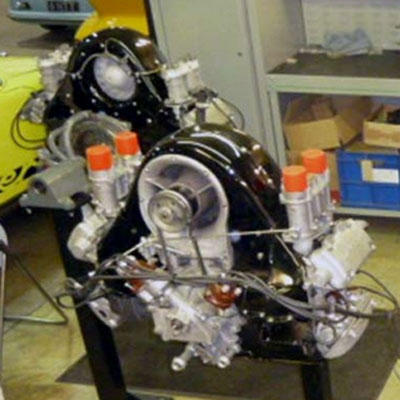
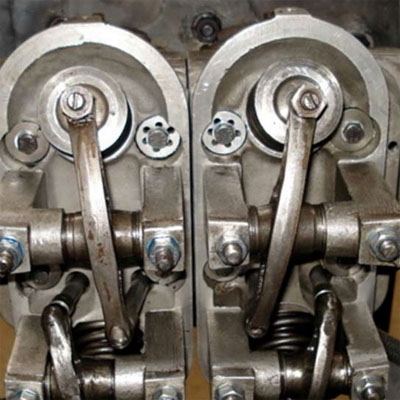



050915 – Porsche – Andy Prill, Halsted > words
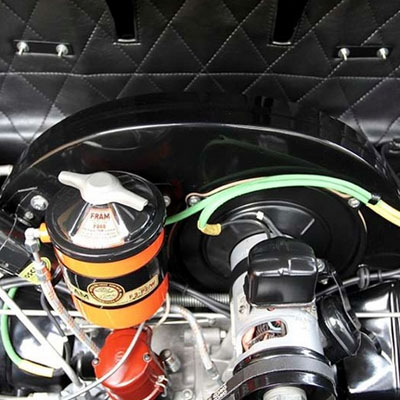
Andy Prill open day at Halsted. Today we are looking at classic Porsches and Porsche engine restorations. This is really a catch up day as Andy has recently moved to new premises.
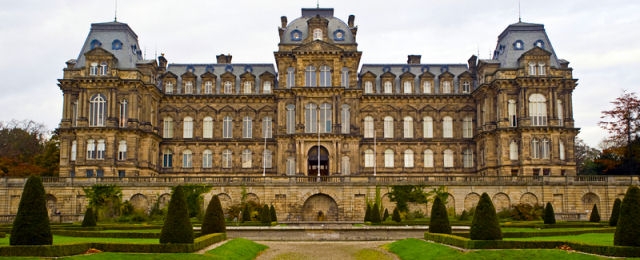
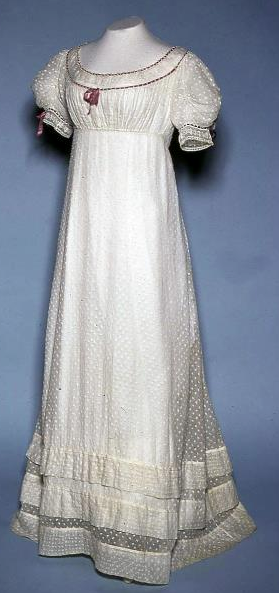
290615 – Bowes Museum – Durham > words
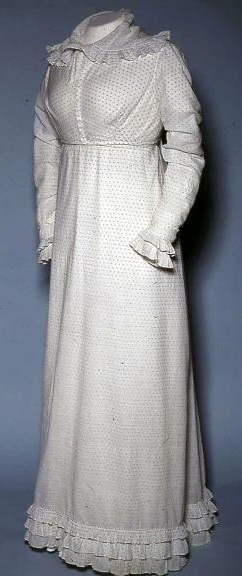
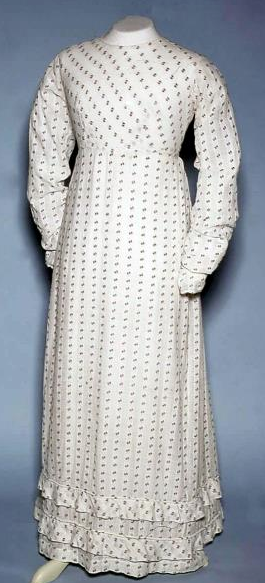
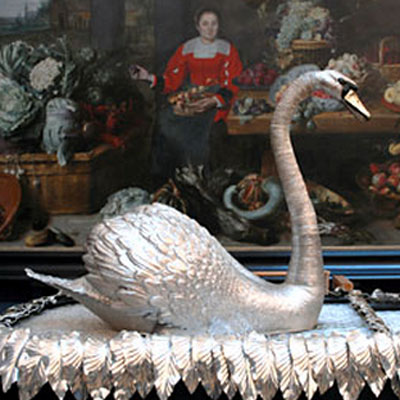
Barnard Castle, a French Chateau in Durham, now the Bowes museum. Sadly we were a few days too early to see the Yves Saint Laurent Exhibition: Style is Eternal but we did get to see The Silver Swan, a musical automaton and icon of the Museum along with the permanent collection of Canaletto’s, Turner’s, Courbet’s and El Greco’s. An interesting collection of early nineteenth century dresses meant that I never really was on holiday. There is too much here for the short visit our schedule allows and a focussed day would have been very useful.
280615 – Tapestry - Hardwick Hall, Durham > words
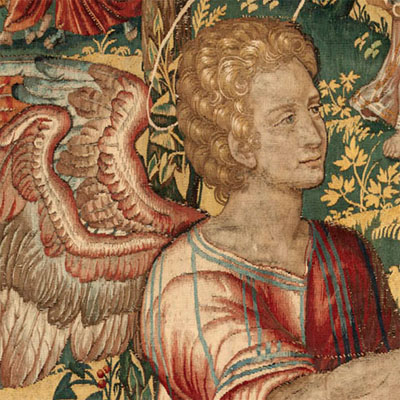
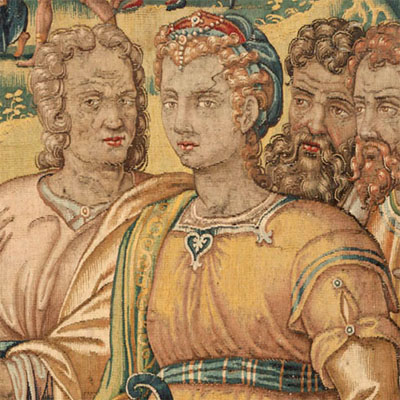
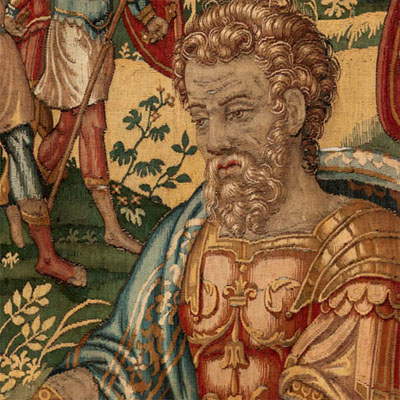
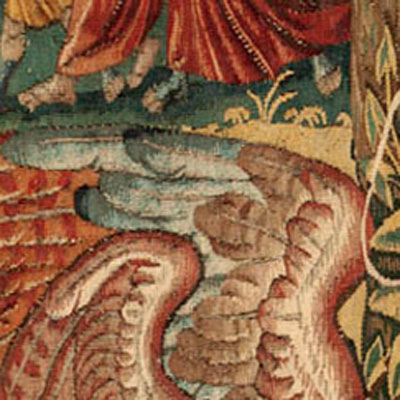
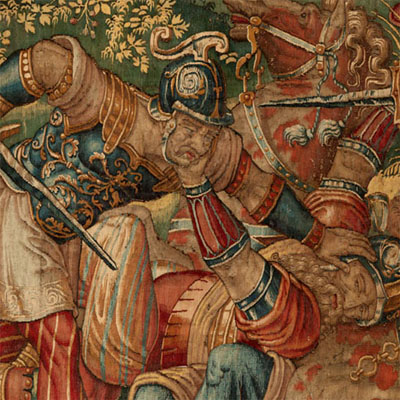
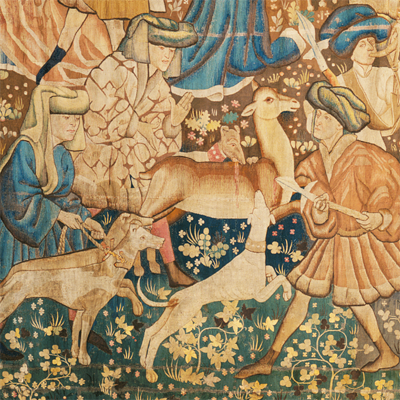
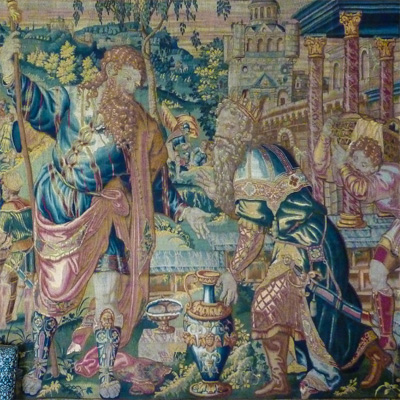
Gideon Tapestries. So the road trip begins with a visit to Hardwick Hall in Derbyshire, an architecturally significant and leading example of the Elizabethan prodigy house. Built between 1590 and 1597 for the formidable Bess of Hardwick, it was designed by the architect Robert Smythson, an exponent of the early Renaissance style of architecture and renown for its brave use of glass. Hardwick also houses the Gideon Tapestries. The images below capture the intense and detailed workmanship of the tapestries used to line the walls of the stairwell and main hall and are themselves a virtual addition the enclosed space.