
020416 – Progeny – Museum Of Brands, London > words
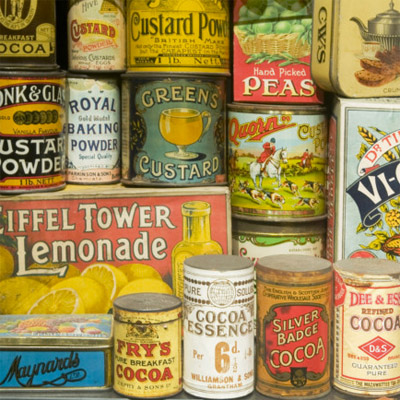
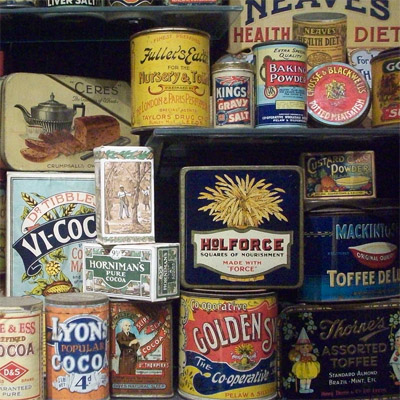
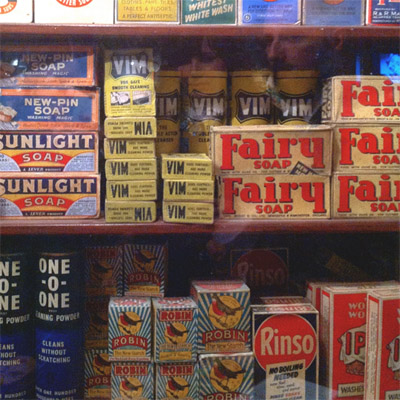
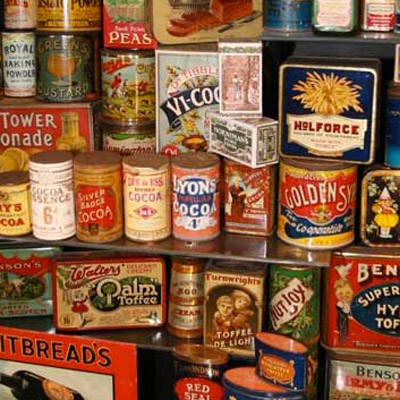
The Museum Of Brands is a strange place to want to be on a sunny Saturday morning, it is everything you spend your life trying to avoid condensed into one collection all in one building. The Museum was founded in Gloucester by Robert Opie in 1984 and moved to London in 2005.
My reaction to the collection hit in three stages. First there was nostalgia the memory of things once owned or viewed. It is a common reaction among those that visit. You can hear visitors ask their partners “did you have one of those” “did you see that” “my nan had one of these” – “so did mine”. The second reaction is one of horror as one realises that every generation is bombarded by waves of similar information from across all brands. A soon as one brand catches its generation prey the others close in. It’s a type of advertising feeding frenzy. The horror comes from the fact that the principal advertising target is nearly always the very young and early teens either directly or indirectly. The second reaction to the horror is made more painful by the first reaction of nostalgia. All of those earlier conversations “did you have one of those” “ did you see that” only confirm how much ones own life was dominated and manipulated by the induced need for what was usually unnecessary and irrelevant. Creating ‘stickiness’ within the market and then milking it for all its worth is piled high on every shelf with endless variations of merchandising upon a theme. Collective sets and families of things are recurring motives.
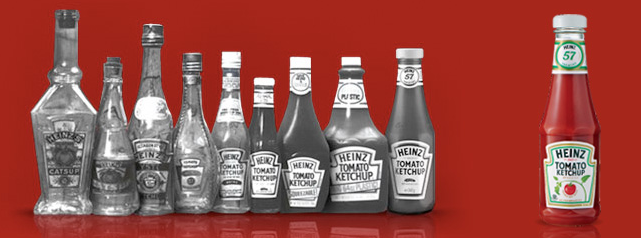
The third reaction to the collection was one of progeny. Just how long some of these brands have been going and how ferociously they fight for their market share of recurring customers. Once a customer is hooked on the product the packaging and sales approach does not change for decades, even multi generations.
It was interesting that the earlier Edwardian and Victorian brands were sold on ideas around Empire and Nation and that post war ads tended to focus on the family or the individual. This is obviously contextual but is partly determined by the speed of the medium delivering the message from Edwardian print, through radio and wireless to TV and the Internet. As the medium speed increases the precision for targeting also increases. This is very apparent today with personalised adverts armed with information gathered from the databanks of search browsers and sold on to whoever is willing to pay. The ads that arrive in our mailboxes know our middle names, our shoe size, our birthday, our musical taste, our favourite colour, our sexual preference. After collating all of this information somewhere out there on the web exists an idealised ME grouped together with others that resemble the idealised ME an idealised collective awaiting the arrival or perfectly matched products. There’s a wonderful sense of irony in this that the collective ME consists of people that I would probably get on well with but will never meet. All this information technology leaves each of us more isolated, tapping at the ends of miles of a fibre optic cable.
The Surrogate Twin