
150516 – Concept Art – Tate Britain, London > words
Conceptual Art In Britain 1964 – 1979.
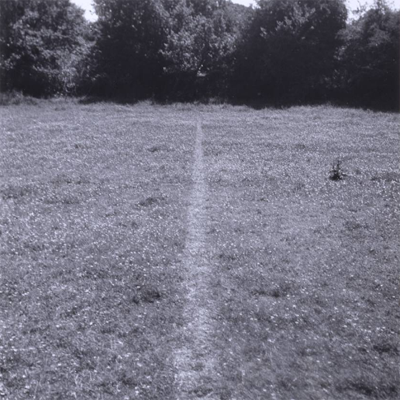
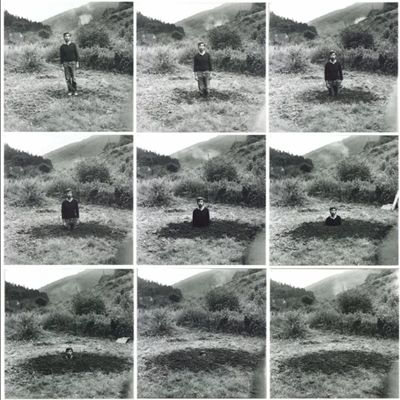
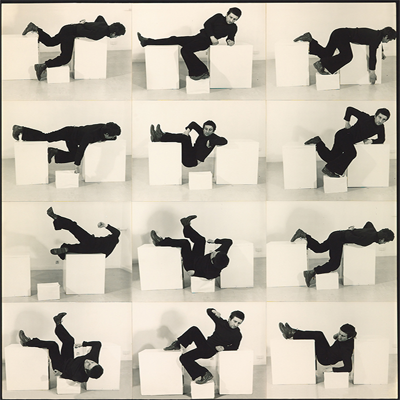
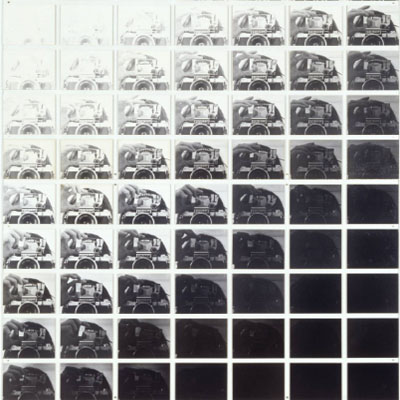
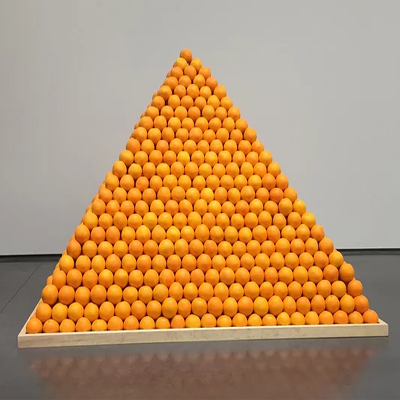
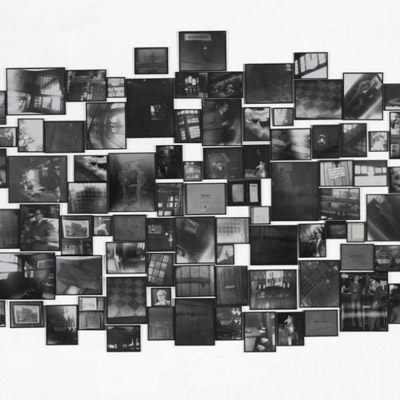
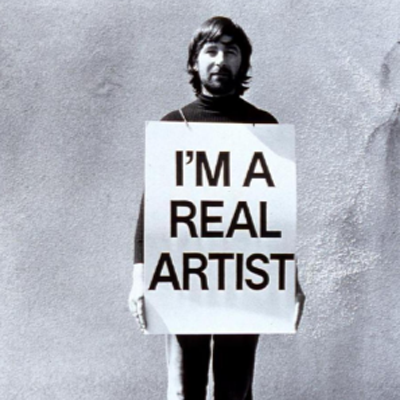
Art has often had to redefine its role in society. With the invention of photography the impressionists addressed this with conveyance of mood over pictorial representation. Between 1964 and 1979 Conceptual Art readdresses arts roll valuing process over product. The numerous pieces on display at the Conceptual Art exhibition at Tate Britain have little aesthetic value and are incomprehensible without pages of descriptive text. Art as a conclusive product becomes totally redundant and the process of making art, the idea behind the art is the art itself. This process is ephemeral, a passing event, the deliverance of an idea. When the idea becomes art, technique, skill and conclusion are secondary and this makes a lot of the early conceptual art less credible.
One of the questions raised by the conceptual artist is the value that the art establishment puts on the aesthetic. Representational art is first valued aesthetically. Is it beautiful? There is a philosophical dilemma in valuing art primarily on beauty. Should battles, war, famine and hardship be aesthetically beautiful? This was an apt question during the years of the Cold War, The Vietnam War and the student uprisings of the late 1960’s. An equally apt question is the purpose of the concluding art image in a time when TV, film and advertising begin to saturate and de-contextualise meaning in image. Historically Conceptual Art is pigeon holed into a narrow time frame but much of art produced today is conceptual. Scale, context, inversion, invasion, juxtaposition and repetition are common tools used in contemporary pieces and the early Conceptual Arts opened the doors to enable these investigations.
The Surrogate Twin