
170416 – Morphing the Body –V&A, London > words
The Undressed exhibition at the V&A London.
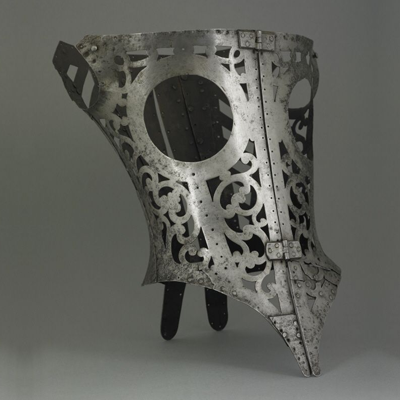
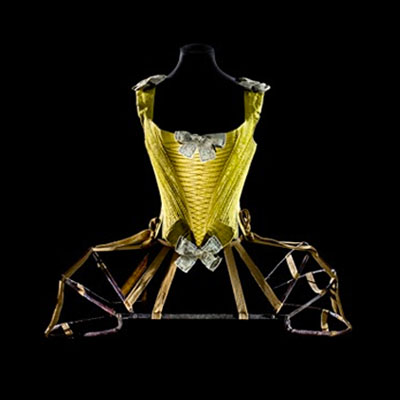
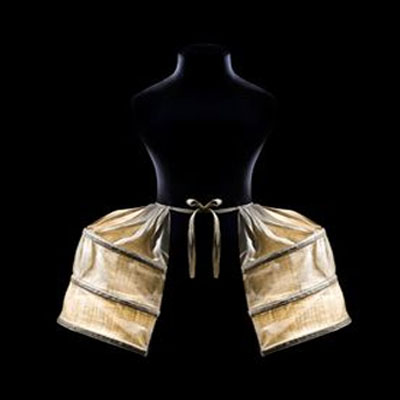
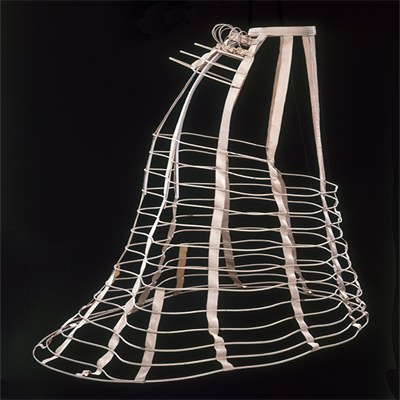
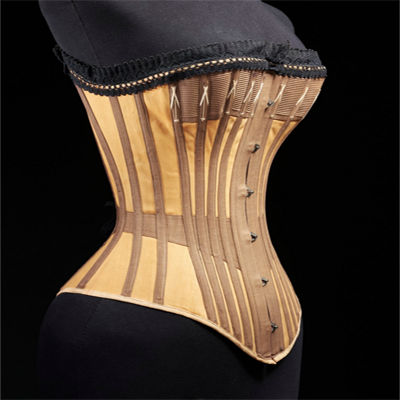
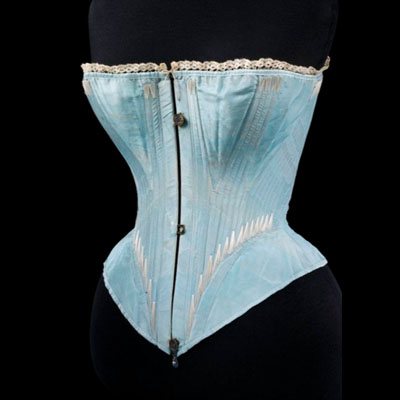
Morphing the body to an idealised form is a theme that runs throughout this exhibition. Waistlines move up and down the torso, bottoms expand and contract, sometimes sideways from the hips, sometimes rearward from the coccyx. Shoulders broaden, or are pulled back and dropped thrusting the chest skyward. Curves are enhanced, silhouettes revealed and the details extenuate the line. Form is idealised, across all periods there is a pursuit for the idealised form, that of the time. What many consider to be instruments of torture are also instruments of empowerment and this would seem to be historically consistent. The hour glass figure of Edwardian women determined the deportment that was required for women to enter the new mercantile nineteenth century society. The clothes of the 1960’s expressed a new sexual liberation and changing attitudes to ones role within society. Sexual expression and identity expression are two parts of a double-edged sword. Identity expression tends to be political and linked to prevailing ideologies whereas sexual expression is a subset within the present politic and is local and targeted.
What I found most interesting about the morphing of form, male and female was the move towards underwear as outerwear and developments in plastic surgery. Underwear as outerwear is suggestive, as much an invitation as an expression. Painters have used this throughout time as a means by which one is able to reveal ones true self. Also as a means of enticement drawing the viewer into the intimate space portrayed, women at their boudoir being a recurring theme with voyeur males in background. Underwear as outerwear in fashion today is slightly more crass but it also blurs the distinction of the role of each garment and these roles may well be an antiquated legacy. Underwear as outerwear is also an expression of gender equality with what was previously hidden and private becoming public. Historically society has been male dominated primarily due to the males physical strength. In times when physical power has less and less currency we may well see a gender role reversal. Underwear as outerwear can be political and intrusive as it invades the perceived personal space of others. Partly as an item that is usually associated with intimacy and is now being shared publicly sending out a confused signal. But also as a show of self-confidence that carries aggressive overtones with its disregard for convention and authority. With time any decontextualizing of the hierarchy of garments becomes normalised and any intended inherent message becomes diluted.
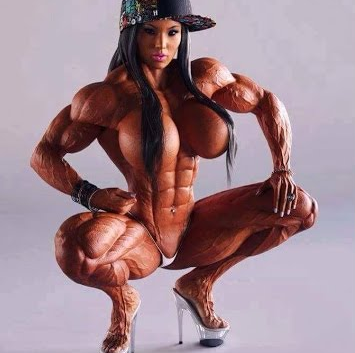
The second point of interest is the developments in plastic surgery and actual body enhancements. The hour glass figure of the nineteenth century encased in an exoskeleton of an idealised form slowly gives way to the more natural figure of the 1960s clothed in casual fabrics. Today nudity is commonplace on most beaches and has been normalised through printed and digital image. As it becomes more acceptable for the body to be seen in public (red carpet catwalks) it has become more important for the body to hold its own form. Men have exercised for millennium to obtain a perceived manly figure. This became more extreme with the body builders of the 1960s and 70s to the point of creating the unusable body. Women today spend many hours in the gym and are as self conscious about their chest, abs and butts as men. This requires a lot of time and hard work and beyond a certain age results are much harder to achieve. Plastic surgery offers both a shortcut to and an enhancement of the body beyond what may otherwise have been achievable. As the nineteenth century shaped the form of the body with the exoskeleton, the corset, the twenty-first century shapes form from within the body. Breast augmentation, gluteal implants, liposuction, rhinoplasty, otoplasty, blepharoplasty, rhytidectomy, abdominoplasty, rib removal, botox, tattoos, piercing (boob, butt, tummy, face, ear and nose jobs) are all common procedures. Some parts are cut away others are padded out with silicon sandwiched between the ribs and the skin. When discussed matter-of-factly it hardly seems normal behaviour and is much more of a radical intervention than trying to achieve a nineteenth century wasp waste. When augmented, the body requires special clothing to exhibit its new form. Clothing that can both reveal and enhance whether this is lycra and mesh or the sheer fabrics that dominate recent fashion trends. Today’s idealised form is heavily influenced by medias focus on popular culture. Cartoons and superheroes are satirical extrapolations that caricature human qualities, good and bad, weak and strong, masculine and feminine, beautiful and ugly, these set up a bipolar duality in which a narrative can be simplified. Popular culture maximises catchment using this simplified narrative. Popularity fuels a cultural feedback loop where humans that have been caricatured to exaggerate qualities to add emphasis for media become the icons for humans to emulate. The internally augmented form is a product of this emulation. At present the body is enhanced as an idealised natural form but how long will it be before bustles and panniers, or their modern equivalents, are inserted. Decorative silicon implants already adorn many faces of street cultured youths and asymmetrical forms may be the future norm.
In summation there has been an evolution from the natural body squeezed into the idealised form of the exoskeleton, through to a period of the natural body fitted in casual clothes, to a body augmented from within sheathed in a gossamer skin. As we move towards electronic tattoos, technological implants and responsive augmentation where programming and choreography may be as important as form manipulation. The morphing body may be able to respond to occasions or seasons or perhaps more immediately to the requirements of the next meeting or event. The clip from Terminator 3 immediately comes to mind, when Kristanna Loken looks at a Victoria Secrets billboard with the text ‘What is Sexy?’ and responds by inflating her breasts.
The Surrogate Twin
080416 – Icon – London > words
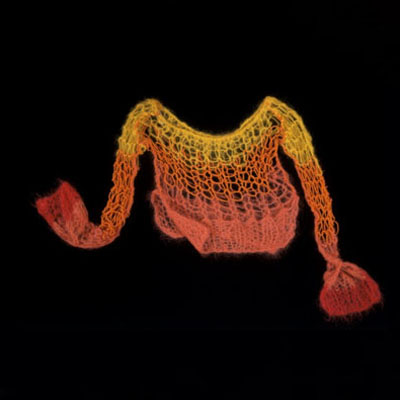
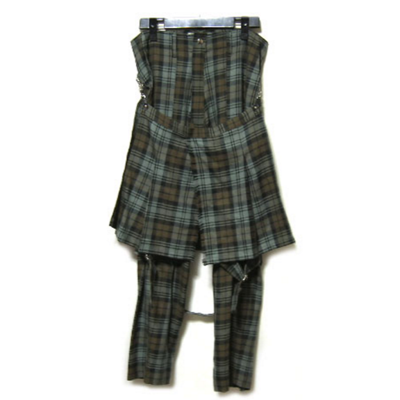
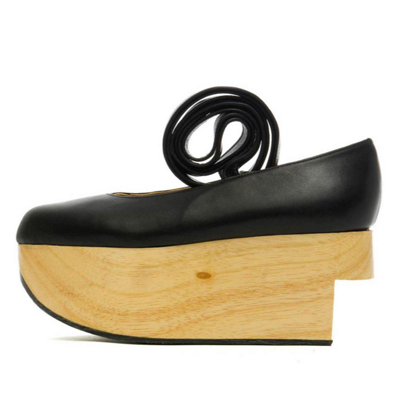
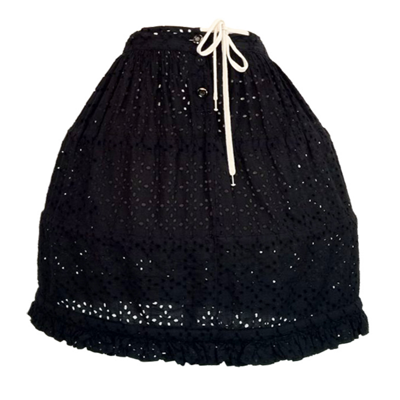
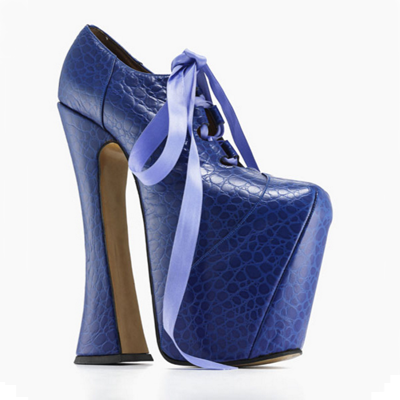
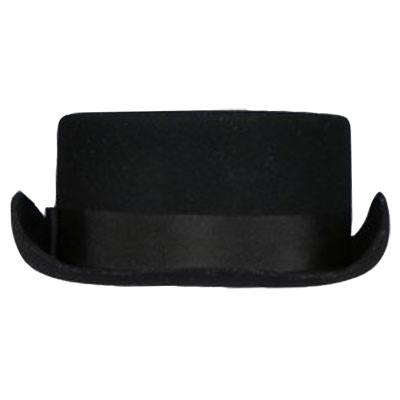
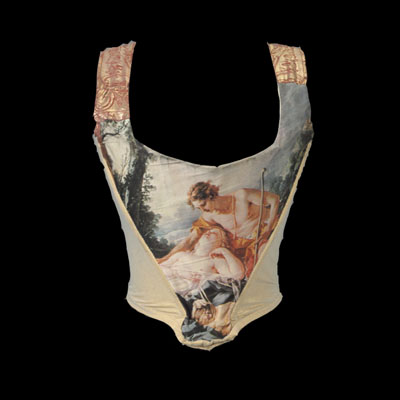
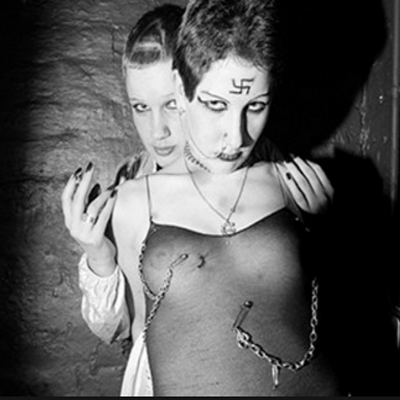
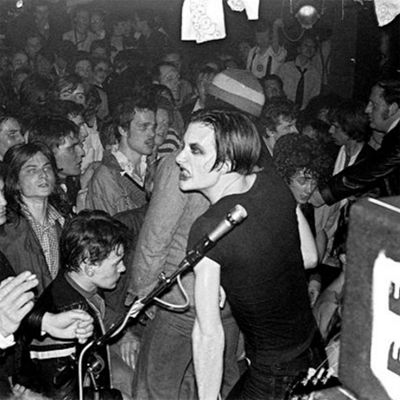
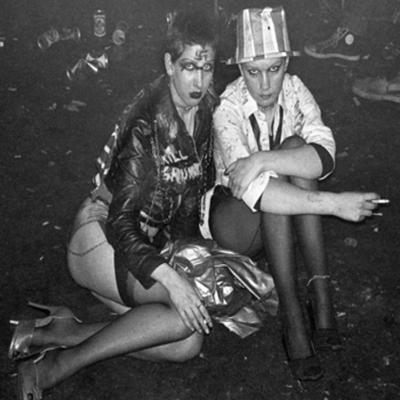
What better way to celebrate Vivienne Westwood’s 75th birthday than with some iconic pieces from the her archive.
Happy Birthday Vivienne. Lx
180316 – An Open Letter to Joe Corré – London > words
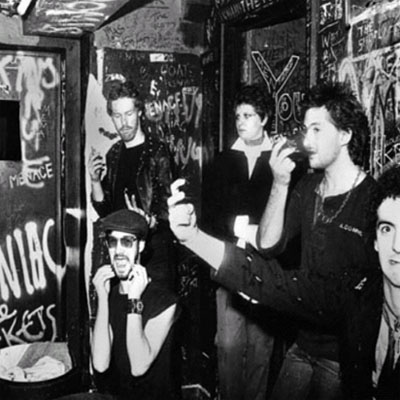
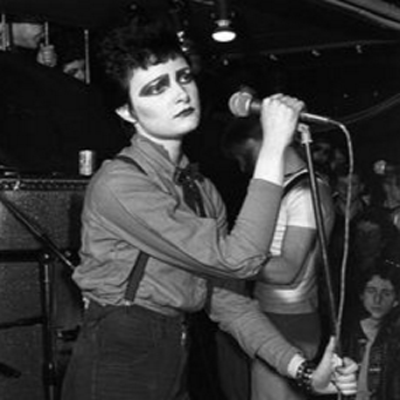
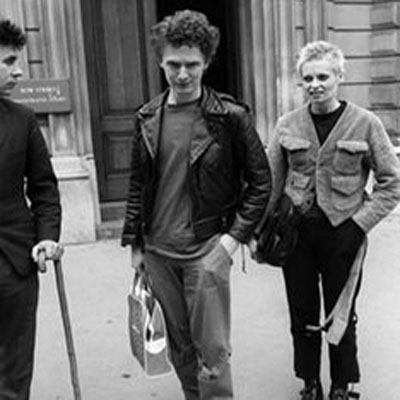
I was a Punk from 75-78. I wore Vivienne’s plastic trousers and mohair jumpers although I dressed mainly in bandages. I was at The Roxy and The Vortex. I was chased by Teddy Boys and Skins. I slept rough at Waterloo Station most weekends after the clubs had closed waiting for the morning train home. It was part of my life as it is part of the Nations heritage. We are perhaps still too close to value Pop memorabilia as anything other than….well Pop memorabilia but Punk was a sea change. Punk’s influence affected graphics and design, fashion, music and literature for decades to come. It was both a social and political movement and gave a voice to thousands of dispossessed working class kids that are now possibly businessmen, entrepreneur’s, academics and dare I say it the politicians of today. In 100 years time Punk memorabilia may well be recorded as a key turning point in UK history and £5 million is a lot of money and could do a lot of good.
So here are my suggestions for the Joe Corré Punk collection. First give key pieces to the museums across the world this will help educate current and future generations. Second auction all of the remainder, preferably as individual items so no one collector can scoop up the lot. Then that would give you between £4-5 million in cash that you could give to a charity of your choice, educational, humanitarian or environmental. Skeptical of the efficiencies of charities (me to) then why not instead buy a huge chunk of Rain Forest and protect it from being cut down. I know what you’re thinking Rain Forest protection would be difficult to enforce even when the land is owned.
So how about this as my suggestion for your £5 million? We constantly forget that most of the developed world was once forest. The UK lost most of its oaks in the Tudor period to build its houses and its Navy’s. The Industrial Revolution burnt a lot of what was left clearing land for towns, factories and farmlands. An acre of UK pastureland costs between £5-8k. Find areas in the UK that have historically been forests or areas that today need forest, buy up the land and plant the trees the planet needs. Bequest the land to the Nation on the proviso that it must always remain forest and you will be taking carbon out of the air and replacing it with oxygen for generations to come and helping those not even born yet. This would be the best Punk gesture for those “that have not given up the chase”. Burning the collection in Camden Central London would do the exact opposite and benefit no one.
Joe Corré’s £5 million Punk collection to be burned in Camden on the 40th anniversary of The Sex Pistols Anarchy In The UK. 261116.
The Surrogate Twin
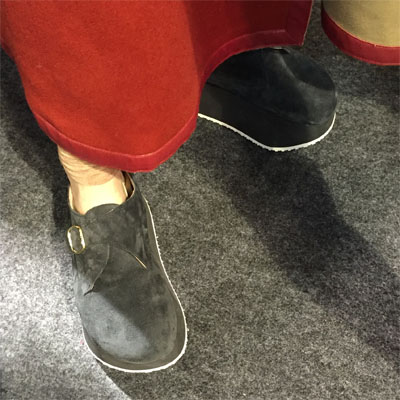
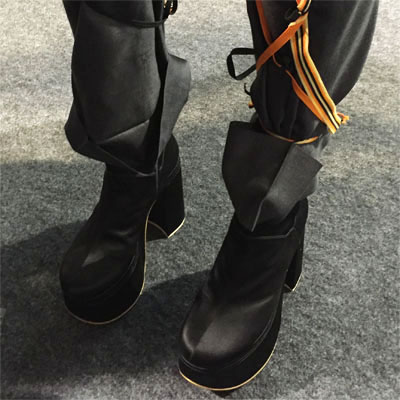
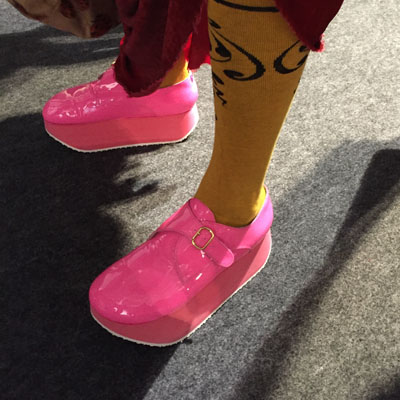
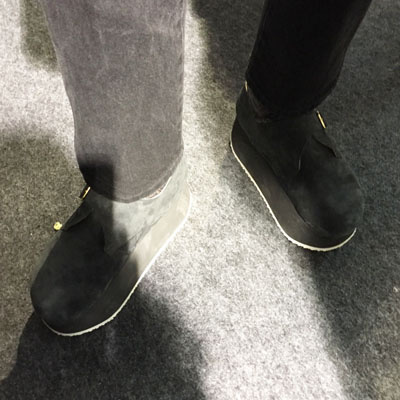
050316 – Busy Feet - Paris > words
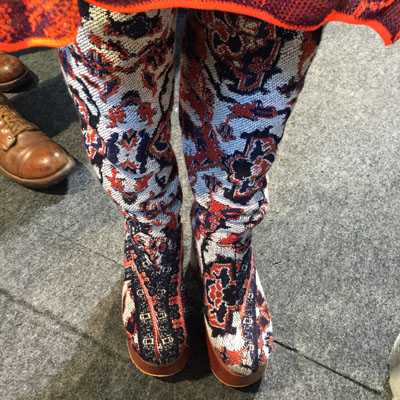
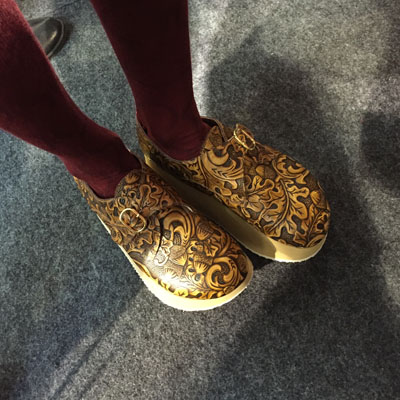
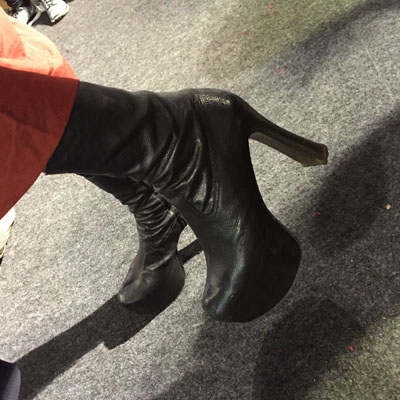
I am in Paris and backstage AW16 at a work show, for the diary we have busy feet.
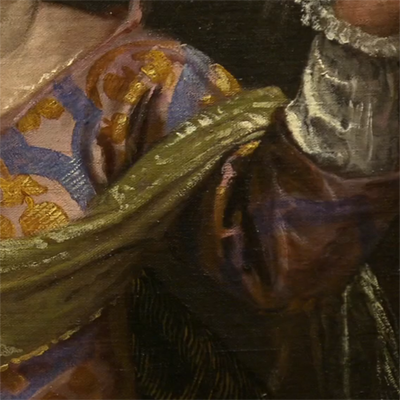
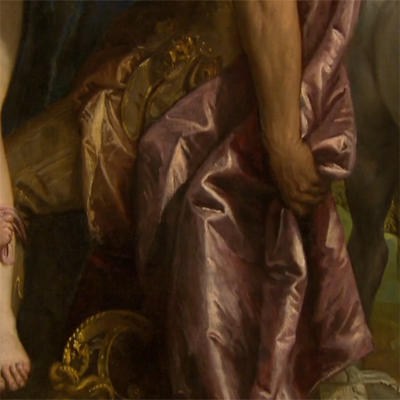
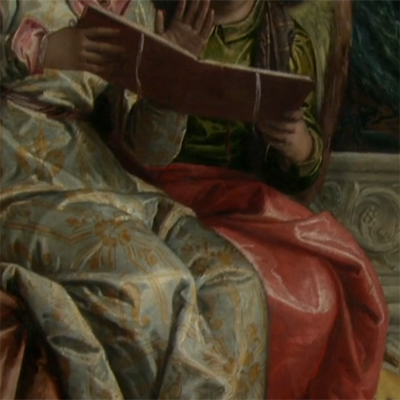
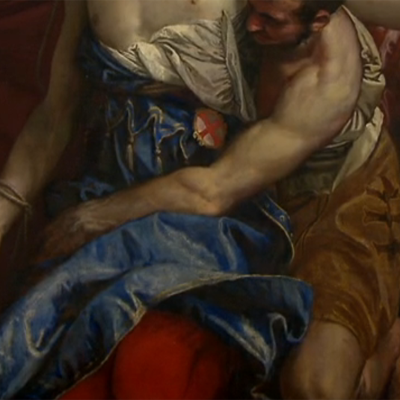
010316 – Venetian Changeante – Renaissance > words
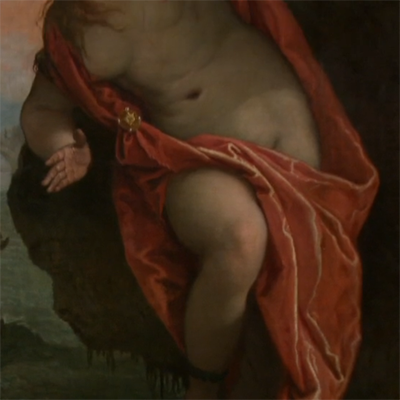
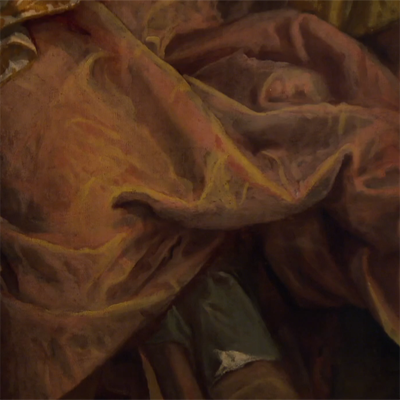
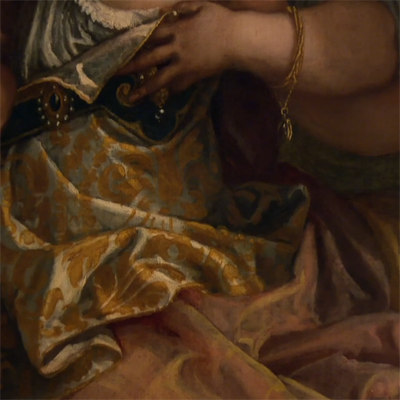
Silks, Satins and Damask were a major contributor to the economic wealth of the Venetians during the fifteenth and sixteenth centuries. Raw silk was imported via the Silk Road from Syria, Persia and Turkey and was dyed treated and woven in Venice and re-exported. Government policies and Guilds helped fund and protect the trade and allowed the industry to grow. The Venetian reputation for quality drove the growth with silks such as Seta Leale and Changeante being highly desirable. Here Changeante silks are shown painted by the master of cloth painting Paolo Veronese.
The Surrogate Twin
100116 – Bowie/Yamamoto > words
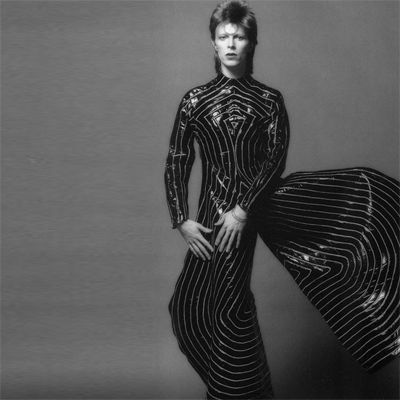
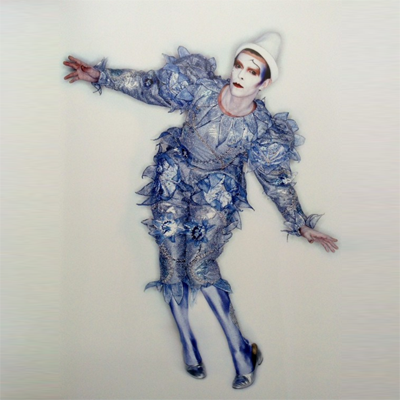
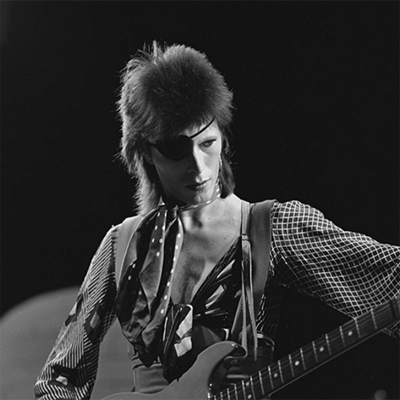
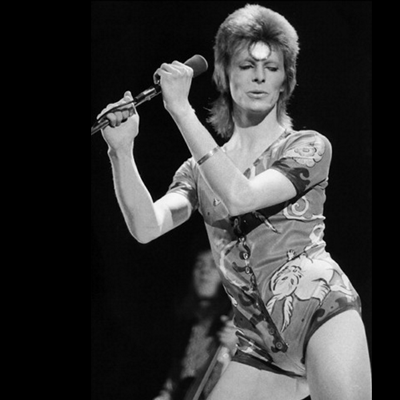
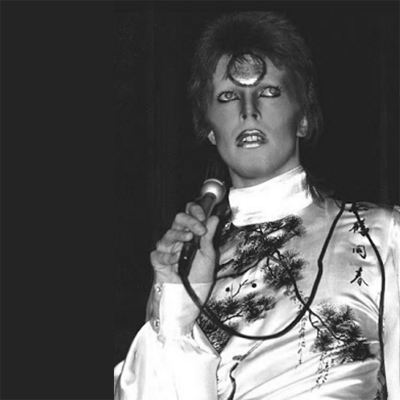
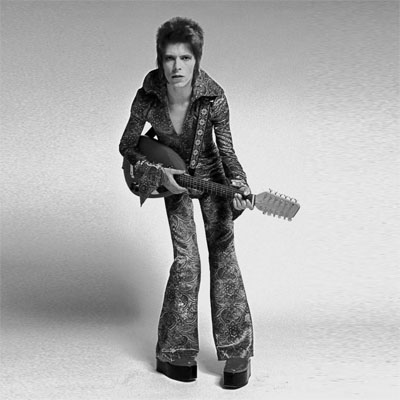
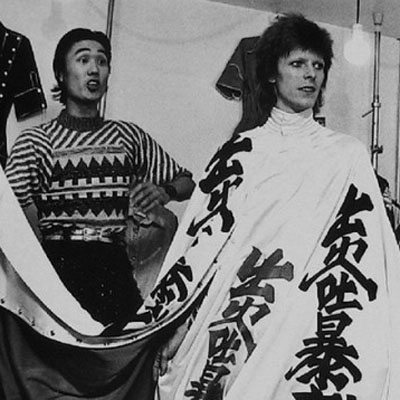
The 1970s was a shameful period in recent British history, a combination of huge national debt, over powerful unions, outdated industries and a people that had lost all self belief created the toxic times of the three day week, the IRA, constant power cuts, garbage stacked high on every street and mass unemployment. Against this backdrop of no self hope and no self worth emerged the escapist music of David Bowie and we all rushed in so as to leave the turmoil of the real world behind. Bowie’s characters drew upon many references and among them were the exotic and the oriental, historically a recurring theme for British escapism. Bowie worked with Kansai Yamamoto through the early 1970’s producing some of the most iconic stage costumes of the time that influenced pop culture for generations to come. Here are a few examples. Bowie RIP.
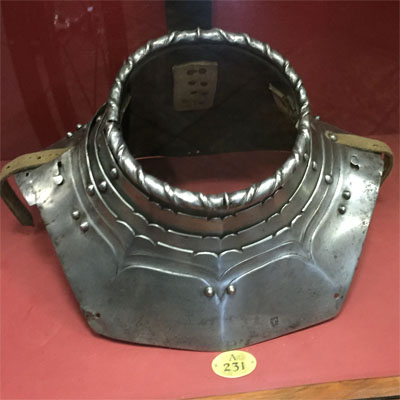
090116 – Collars – Wallace Collection, London > words
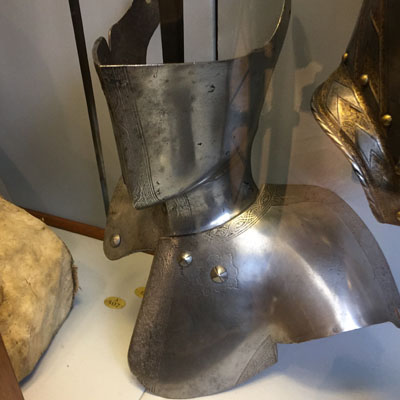
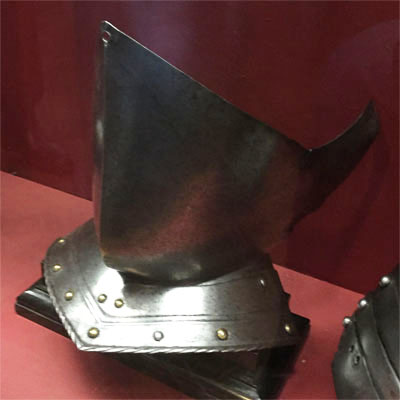
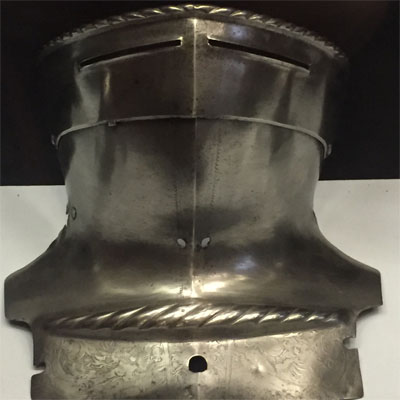
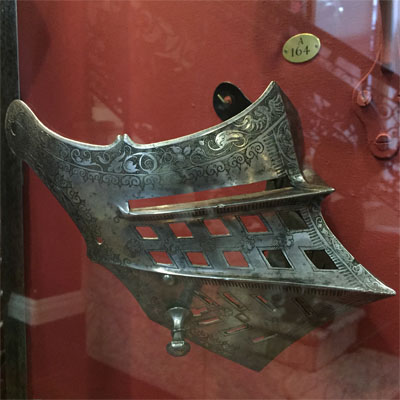
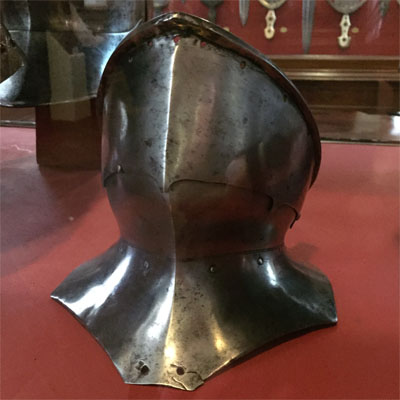
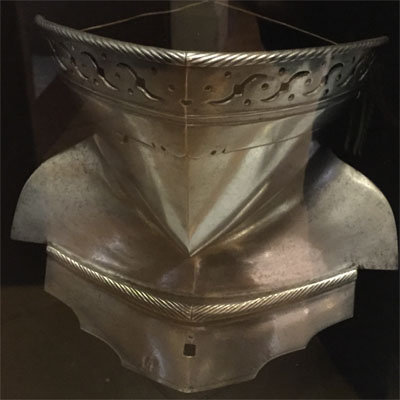
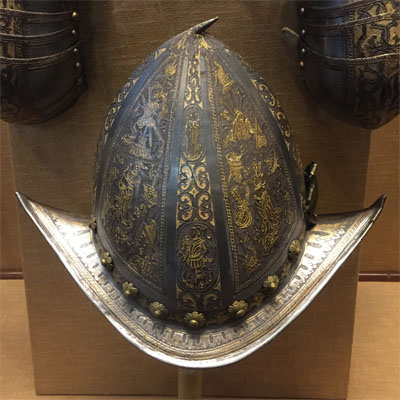
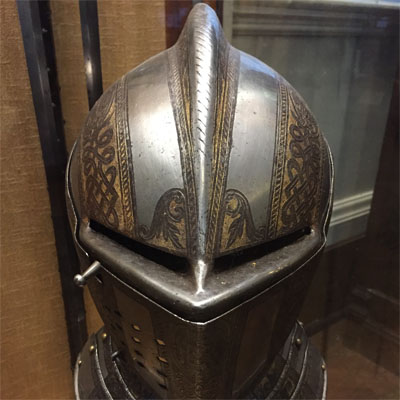
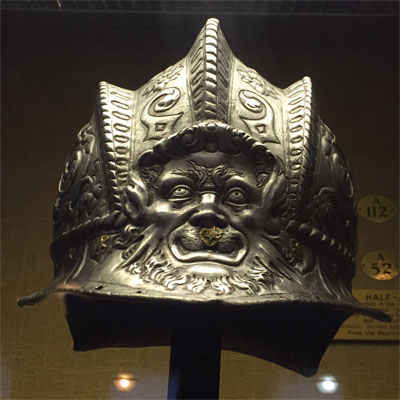
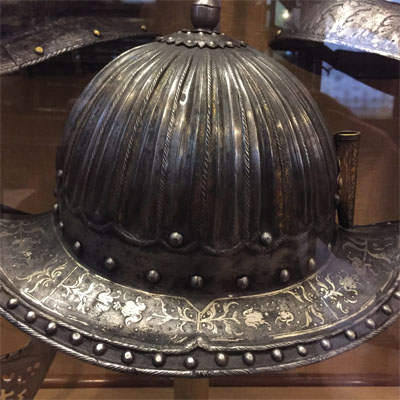
Buffs - Last weeks visit to the Wallace Collection was so inspirational I am back again this week looking primarily at translating armour into fashion items. I have focused on collars but the ideas of embossed, gilded or engraved hard elements that could be used to accompany a collection prevails.
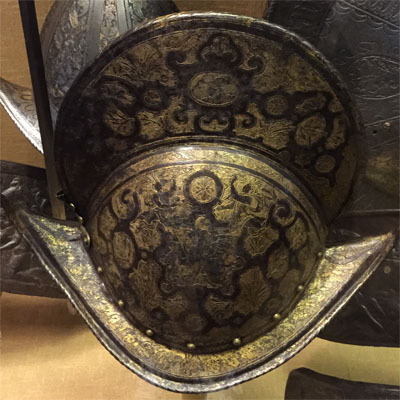
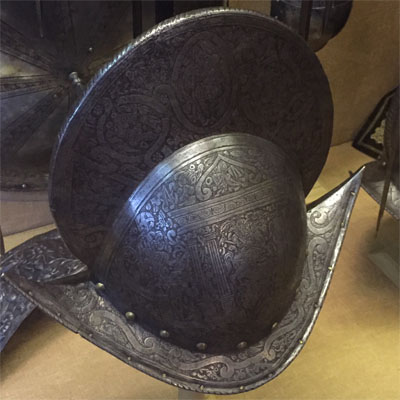
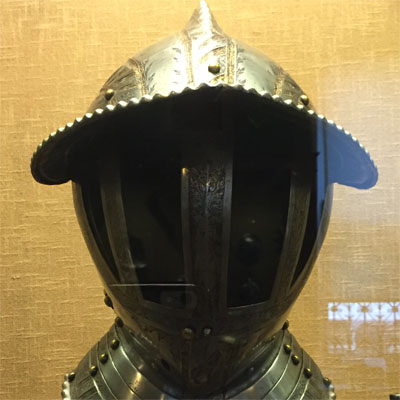
010116 – Hats – Wallace Collection, London > words
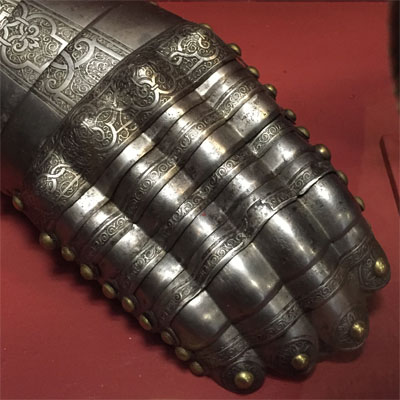
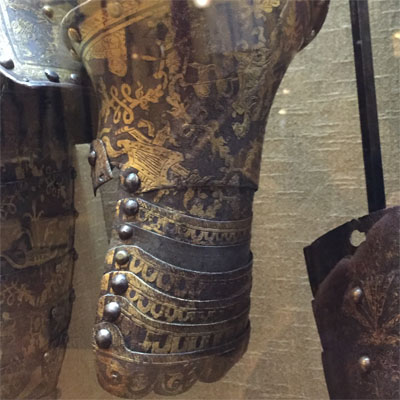
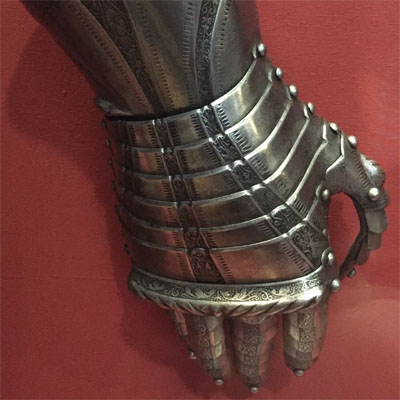
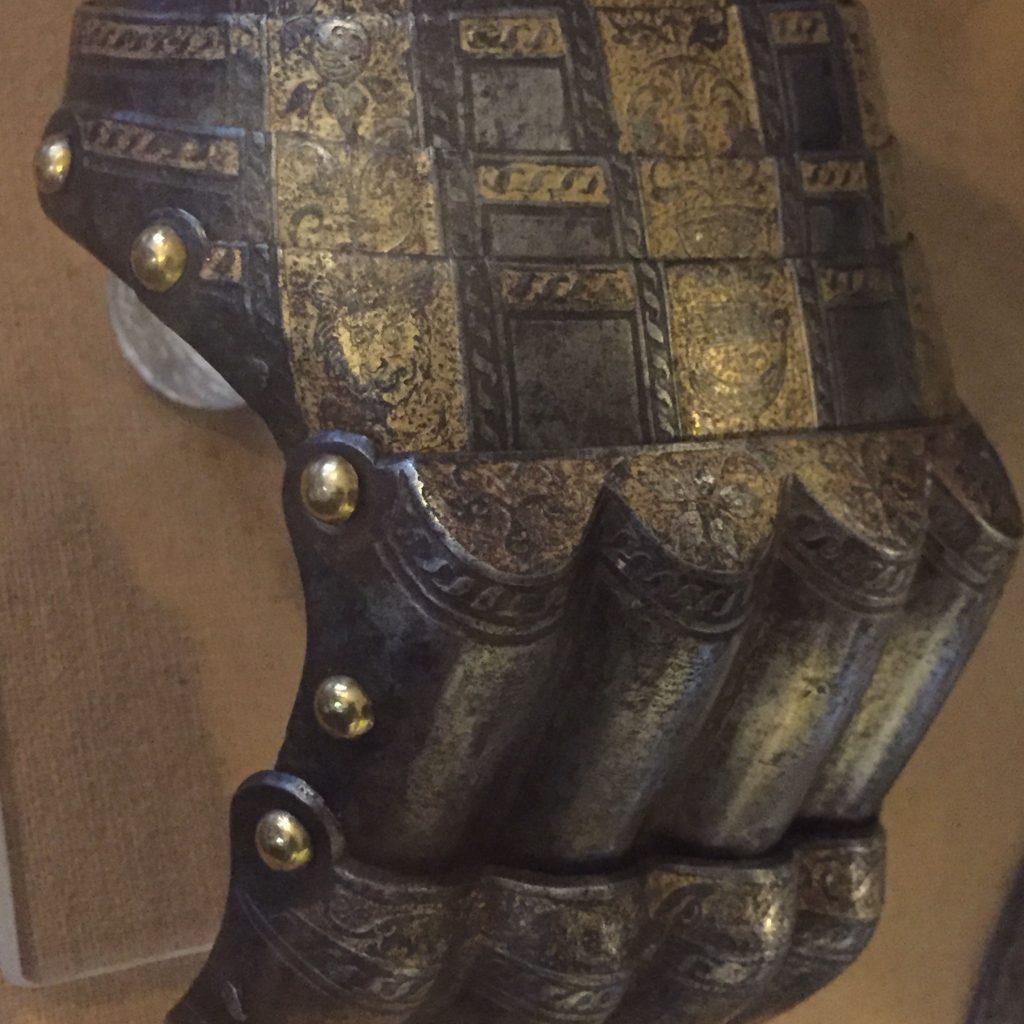
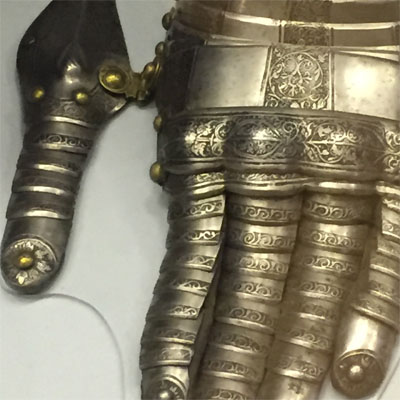
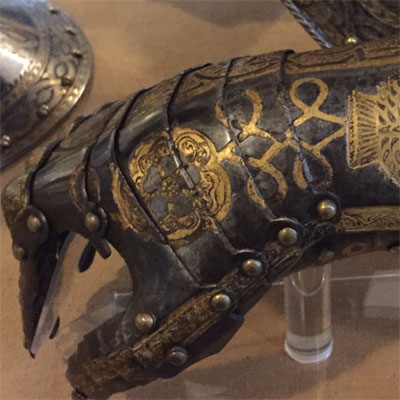
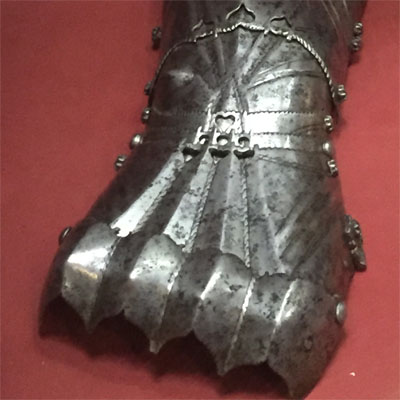
Yesterday I sat reading my Christmas present book Fashioning The Body and an amazing book it is. The book discusses the constant historical re-shaping of the human form for aesthetic, political and sexual agendas and chronicles the worn architectural constructs that enabled this. So where better to spend New Years day than at the Wallace Collection researching under the theme of Hats and Gloves body armour. Sheet metal dressed, fluted, gilded, embossed, engraved, slashed, emblazoned with symbols of political power and symbols to protect the wearer and intimidate the foe. And the language of armour is as rich as the craftsmanship barbute, bascinet, burgonet, cervelliere, hounskull, brigandine, pauncer, aventail, culet, rerebrace, sabaton, tasset to name but a few.
010116 – Gloves – Wallace Collection, London > words
Yesterday I sat reading my Christmas present book Fashioning The Body and an amazing book it is. The book discusses the constant historical re-shaping of the human form for aesthetic, political and sexual agendas and chronicles the worn architectural constructs that enabled this. So where better to spend New Years day than at the Wallace Collection researching under the theme of Hats and Gloves body armour. Sheet metal dressed, fluted, gilded, embossed, engraved, slashed, emblazoned with symbols of political power and symbols to protect the wearer and intimidate the foe. And the language of armour is as rich as the craftsmanship barbute, bascinet, burgonet, cervelliere, hounskull, brigandine, pauncer, aventail, culet, rerebrace, sabaton, tasset to name but a few.
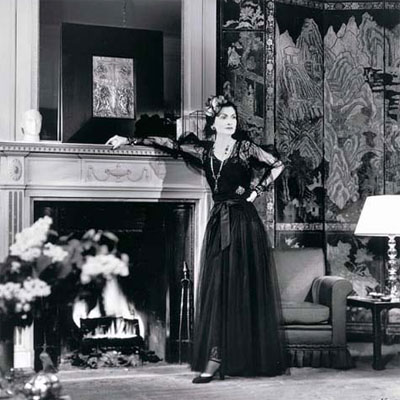
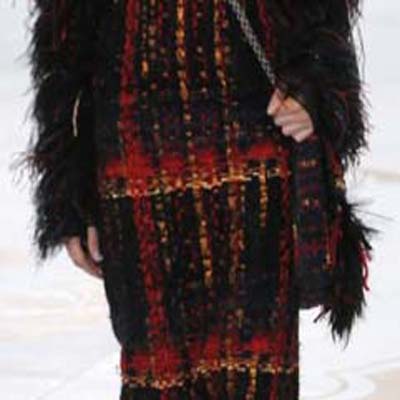
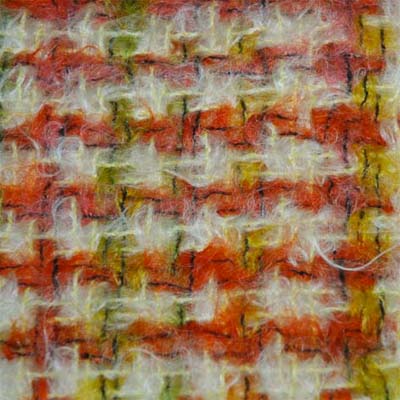
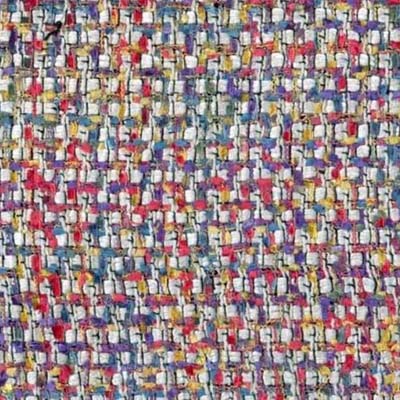
181015 – Mademoiselle Privé – London, Saatchi Gallery > words
To Colbert on Sloane Square for morning breakfast of ouefs briolle avec boudin noir before heading to the Saatchi Gallery for the Mademoiselle Prive Exhibition.
On the wall of the café are black and white photographs taken within a decade of World War II. We fly into a discussion about Dior and the pencil skirt and how the design came about through rationing of materials and how the fifties rebelled against this. Second we note that Paris that had not been bombed unlike Berlin or London, but instead occupied leaving many of its historical streets in tacked a fact noted in The Seven Ages of Paris by Alistair Horne.
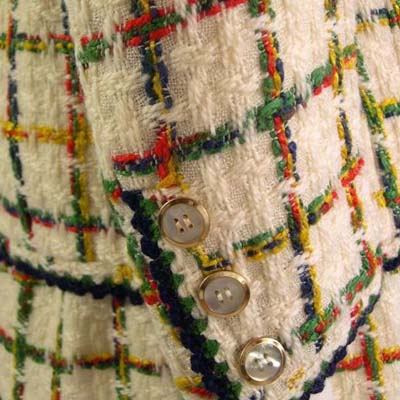
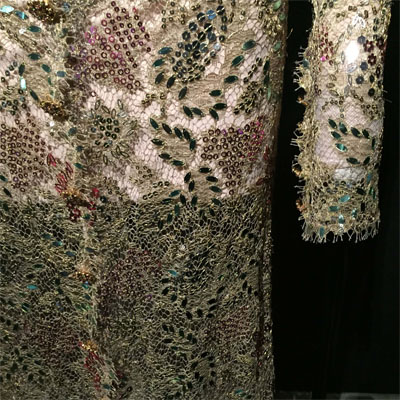
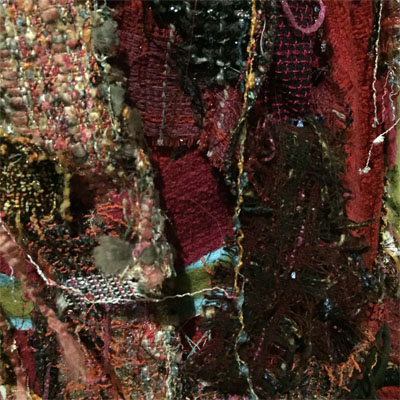
Mademoiselle Privé greets the visitor with a wild flower garden has been installed outside the Gallery through which you meander whilst hearing the sounds of birdsong to the entrance, a delightful start. Sadly this is another exhibition by a Luxury brand that has little content and a huge amount of money invested. Details and textural fabrics of the couture pieces were lost in the darkness and there was a lack of descriptive information telling a story. I was hoping that there would be some insight to the Heritage of Chanel in terms of the fabrics they use, the detailing and how this has evolved throughout it’s history along with a more tactile section to get a better understanding about this. Chanel has consistently produced such incredible collections and at this exhibition we have so little access to them, so it was disappointing.
Despite my thoughts this does not appear to have deterred the public from attending as represented by the queues to get in.
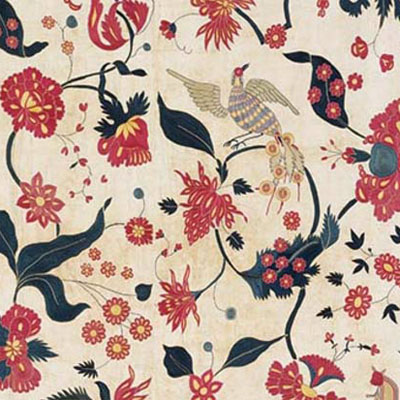
171015 – The Fabric Of India – V&A, London > words
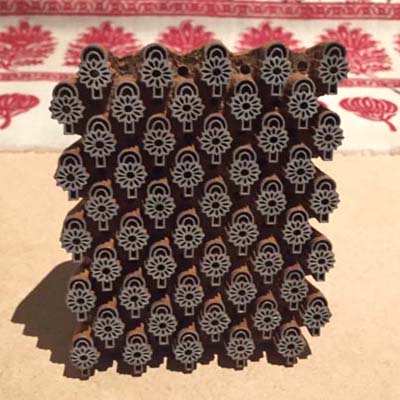
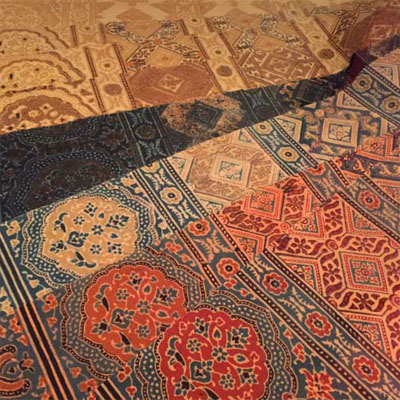
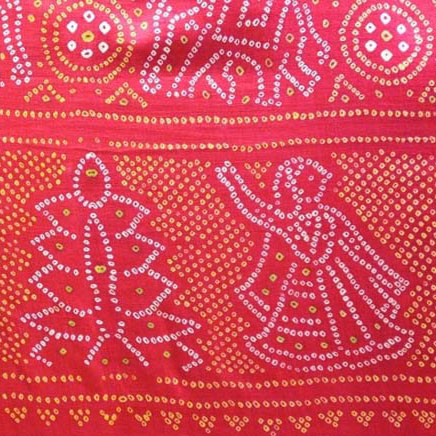
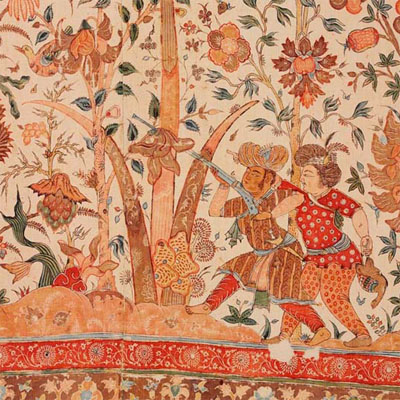
This morning I am sitting in my bathroom staring at a towel. It has a double sided combed cotton pile. It has a hemmed border and both ends have a flattened detail over several bars that make a diagonal wave across the warp of the towel. The towel is a faded lilac I have had it for many years. I have washed it, dried it, folded it, I have washed with it possibly thousands of times. The towel is made of Egyptian cotton. I know this as it is written on the label. The towel is just an ordinary john Lewis towel and I find myself staring at it blankly as I do not know exactly how it was made. I am reminded that so many of the everyday objects that I use I have no ideal how they work, what they are made of or how they were manufactured. What has bought me to this towel staring was the exhibition at the V&A The Fabric Of India.
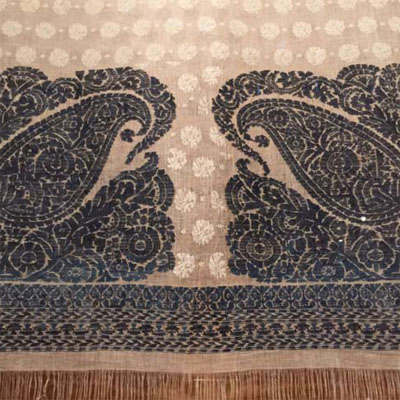
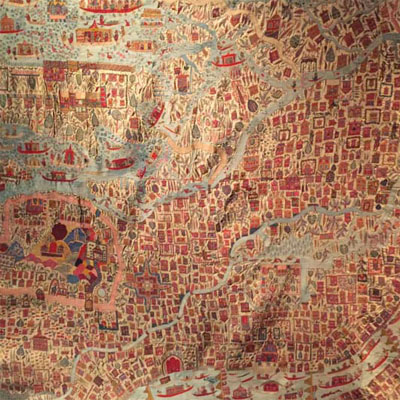
The exhibition splits into two distinct halves. The first talks about techniques and processes the second about conclusions and uses. The two halves of the exhibition space are joined by a delightful transition space made with walls of vertical elastic cord that have a wonderful optical affect when moving. When just through the transition space and I am confronted with a 200mm border of an asymmetrical composition of people, animals and plants and I read that it has been woven. At this point I realize that I cannot understand how this is possible. The complexities involved are beyond comprehension when knowing that it is made by hand working on a primitive loom. I can understand warp and weft, I understand how to make basic patterns, I do not understand how a pattern can be given a bias one side to the other or how to make complex asymmetrical compositions. A fascinating exhibition and one that will be scheduled a re-visit. It was a shame that a working hand-loom was not in operation as the primitive sounds would have added greatly to the ambience.
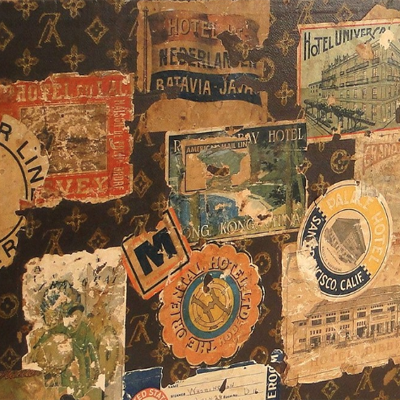
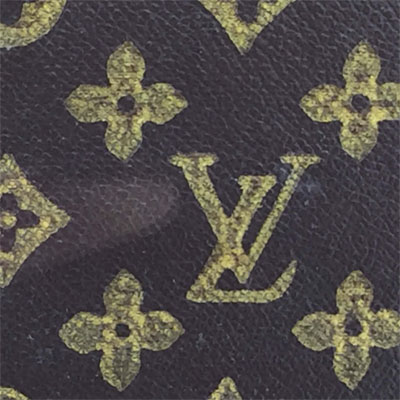
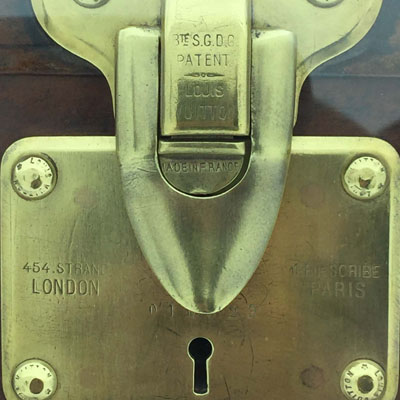
111015 – LV – London > words
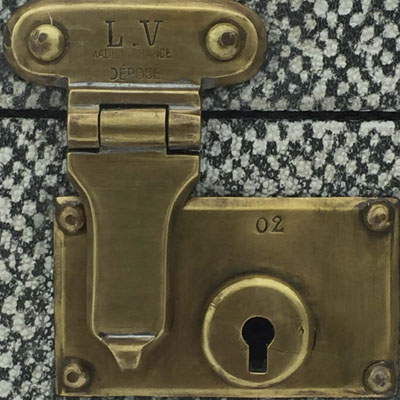
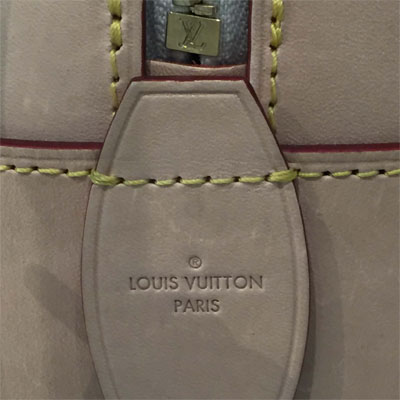
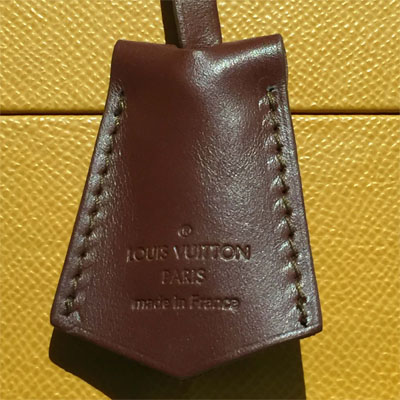
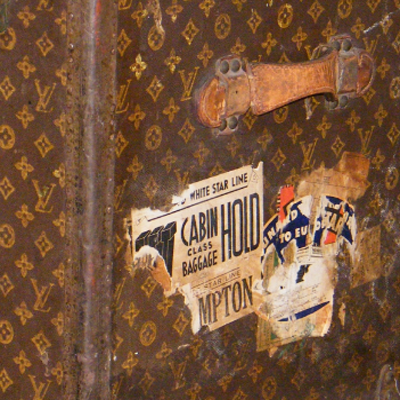
The difficulties faced by companies as they try to incorporate digital media with tradition could not be better exemplified than in the Series 3 Louis Vuitton exhibition. The exhibition that can at best be described as confused or lost creates a saturated abyss of digital imagery often used without purpose. I concentrated on the logo and font images below.




040815 – Kenzo - Bruton Street. London > words
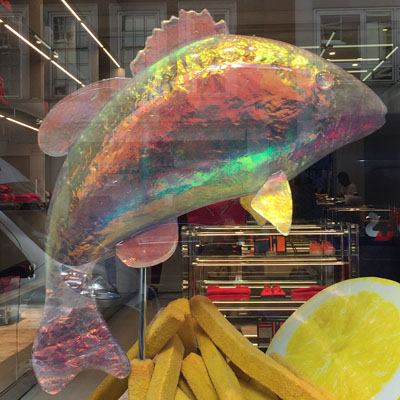
Mad – Giant fish and chips at Kenzo

260715 – Alexander McQueen v3 – V&A London > words
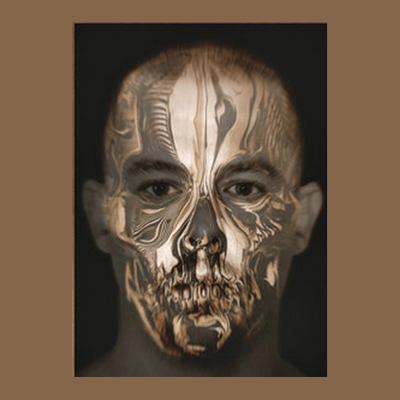
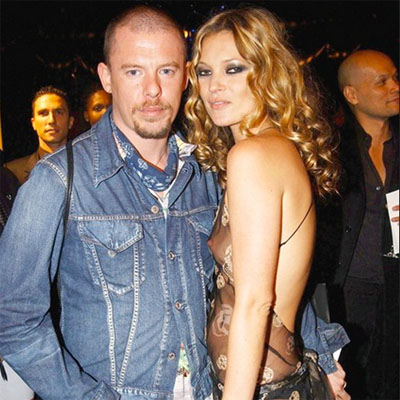
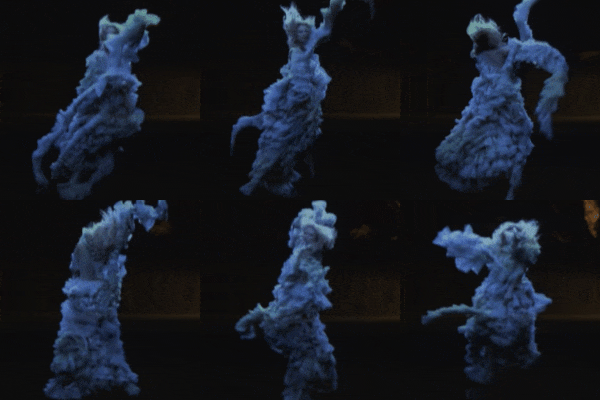
This is our third and final visit to the Alexander McQueen exhibition at the V&A. This is not really a research day but more of a homage to one of the greatest creative talents in the industry. Lee’s death on 11.02.2010 has left a huge void that will be difficult to fill. I was never fortunate enough to have met him and I will regret this for the rest of my life.
230715 - The Shard, London > words
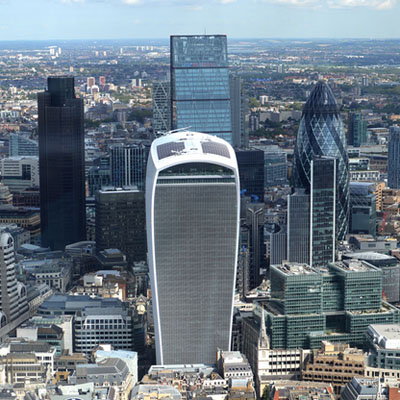
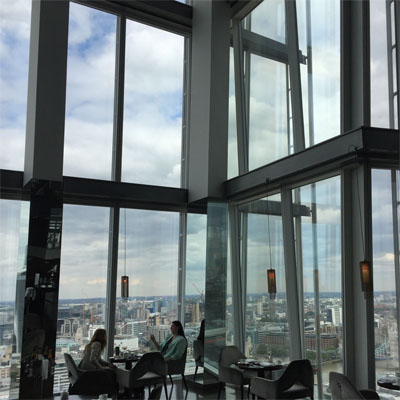
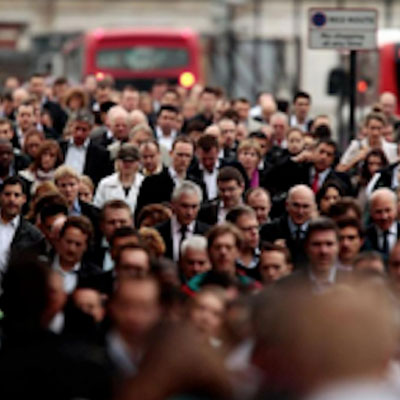
Today I am having a meeting at Aqua Shard to discuss a collaboration project between Vivienne Westwood & Cool Earth. The heady view from Aqua Shard sadly all too soon I am back at ground level, weaving in an out of the City workers on my walk across London Bridge, a complete contrast to the floating feeling from a moment ago.
210715 – Moncler - Knightsbridge > words
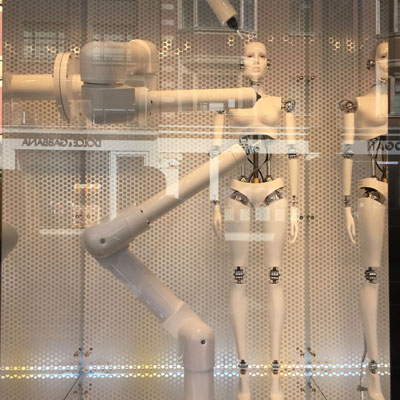
A window display, no doubt inspired by the ‘near future’ focus, the blend between touchable (and now wearable) future tech and our imagined futures. A subject always on the tip of the tongue and one endlessly represented through film, in recent times; Ex-Machina.
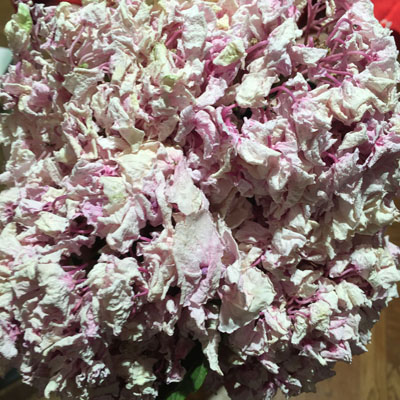
170715 – Age and Beauty - Conduit Street > words
As soon as you pick me, I die. Transcending beauty.
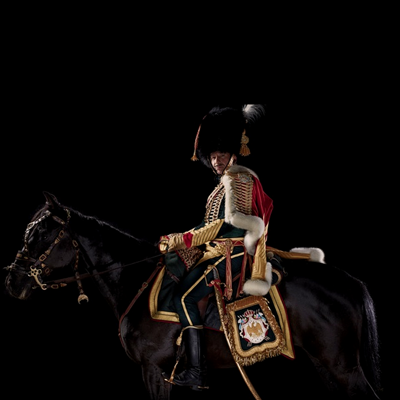
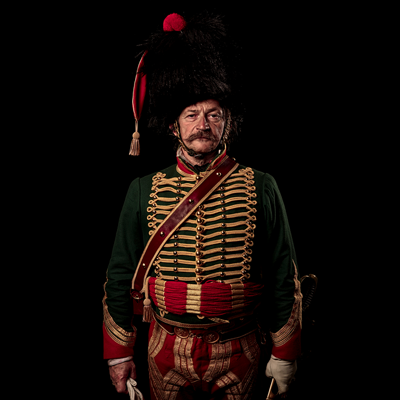
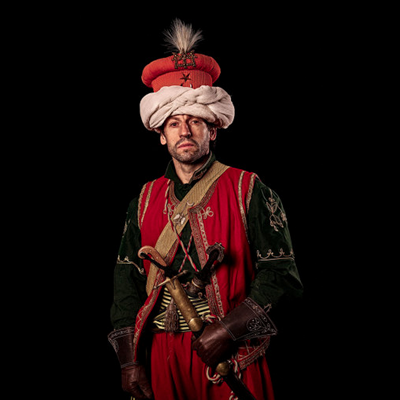
150715 – Unseen Waterloo - Somerset House, London > words
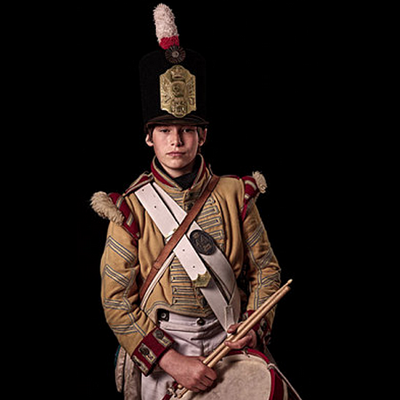
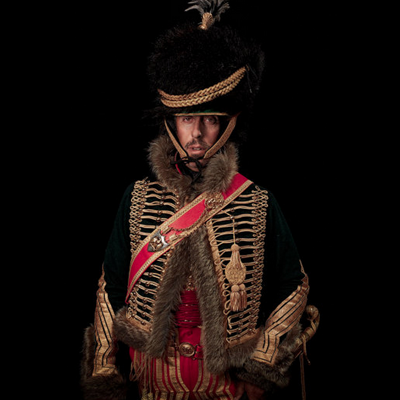
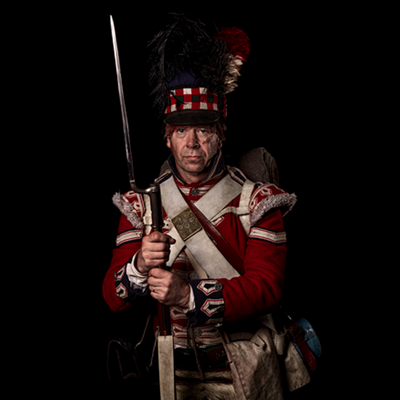
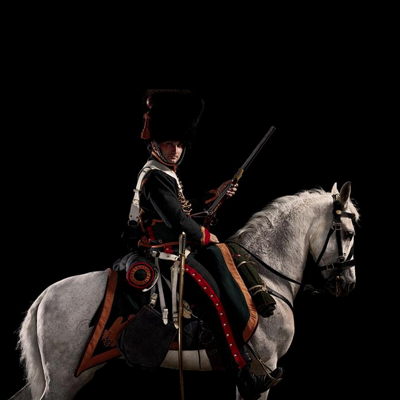
Sam Faulkner portraits of The Battle of Waterloo re-enactments in Belgium (The Unseen/The Conflict Revisited) allow the possibility to view military fashions on the early nineteenth century.
290615 – The Moor - Culloden, Scotland > words
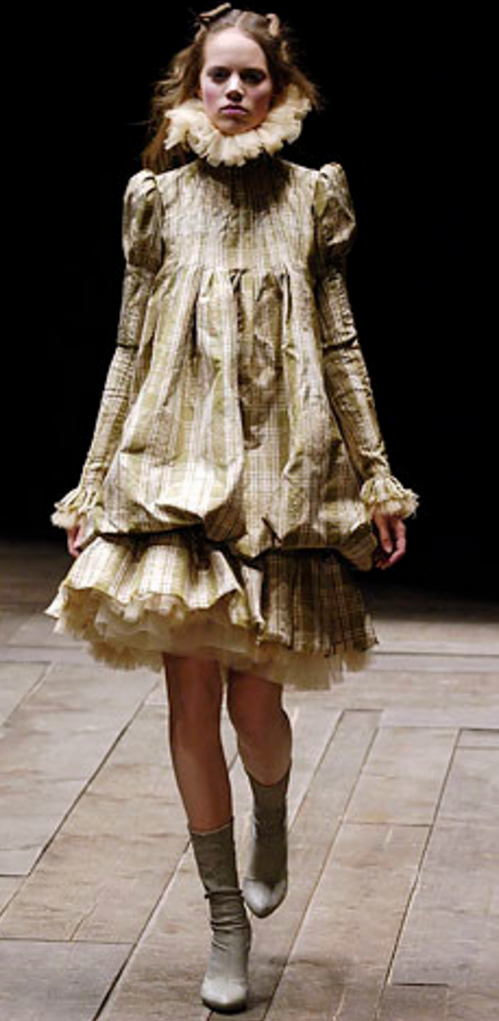
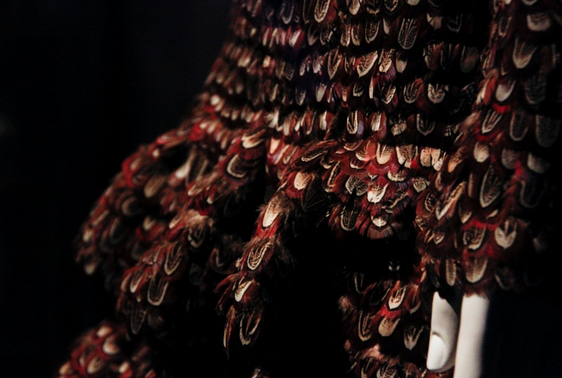
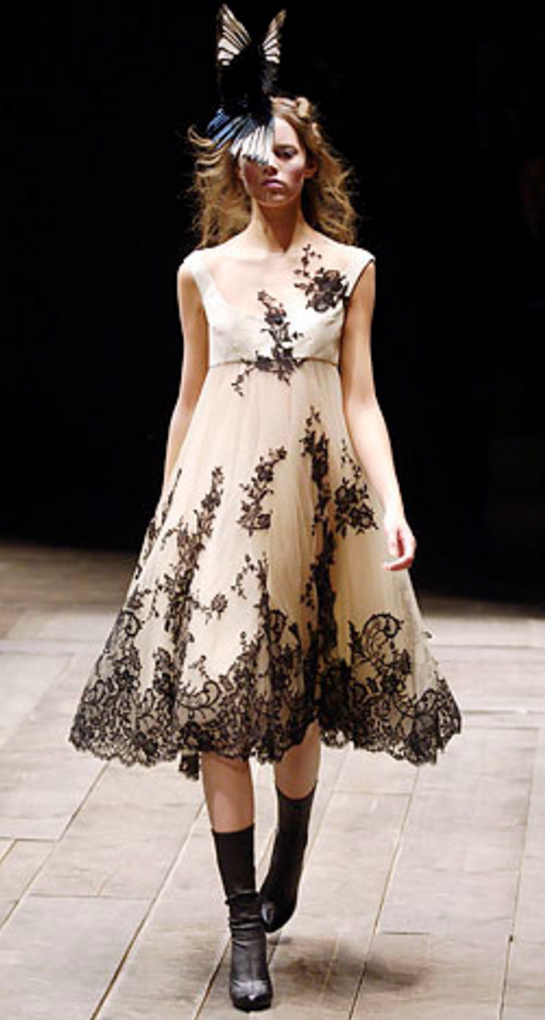
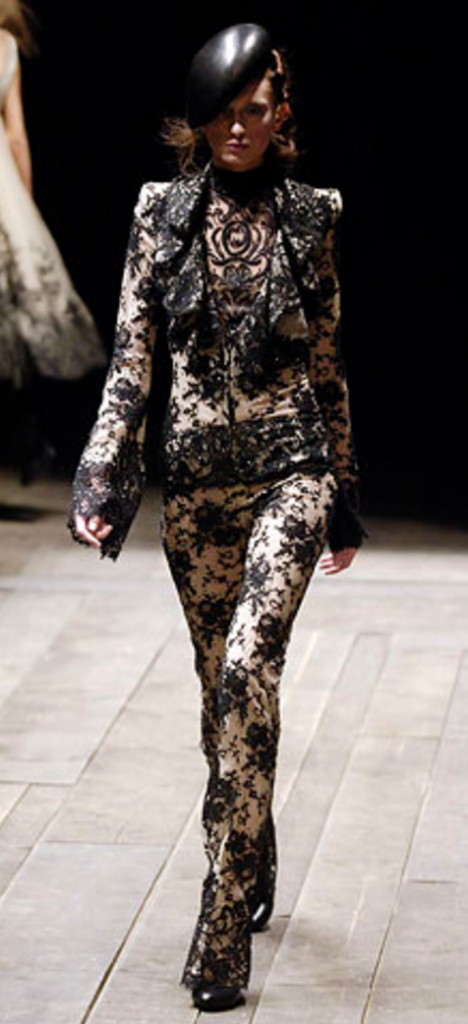
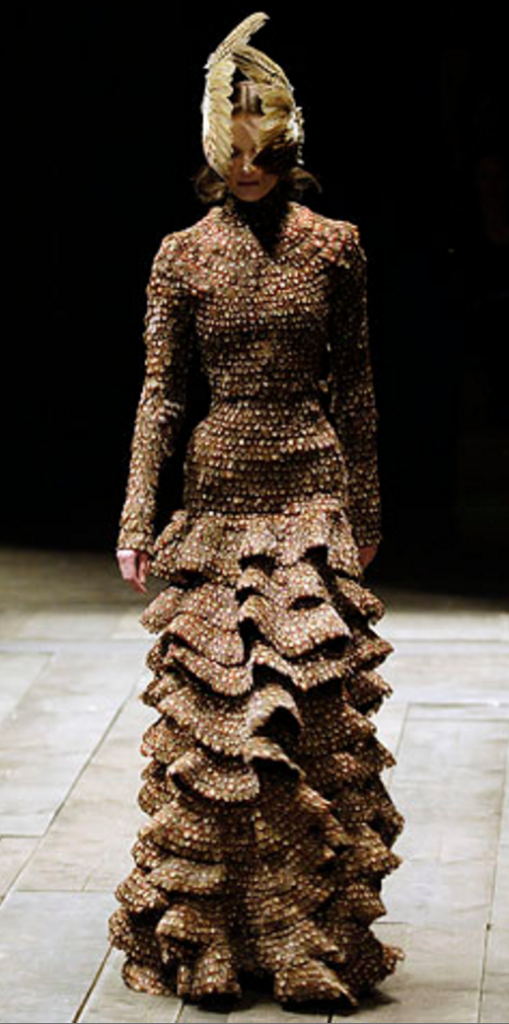
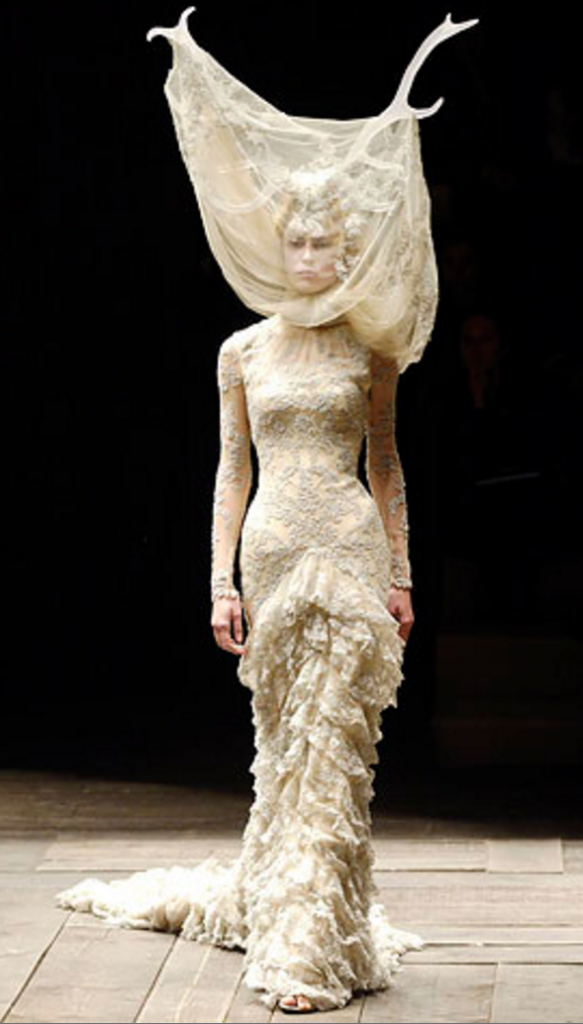
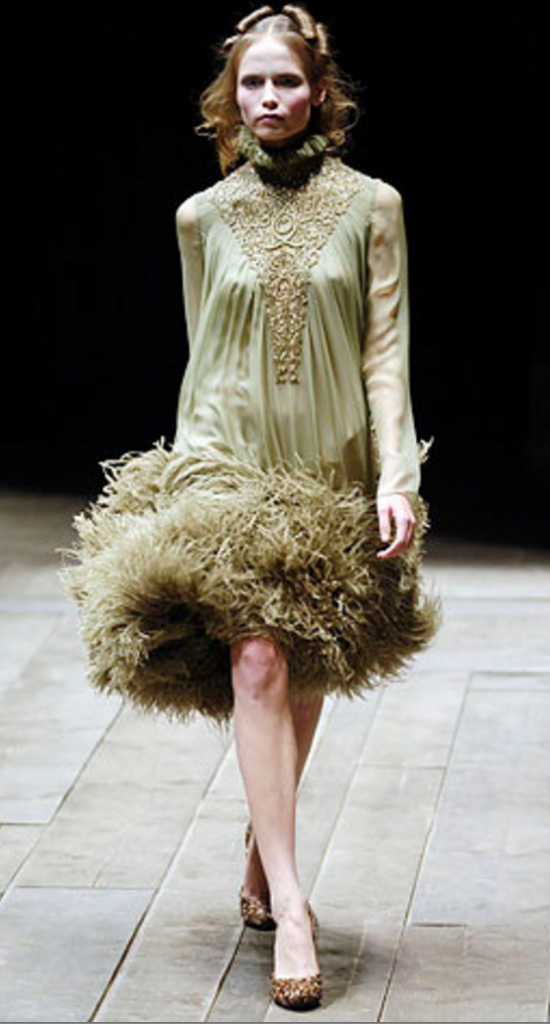
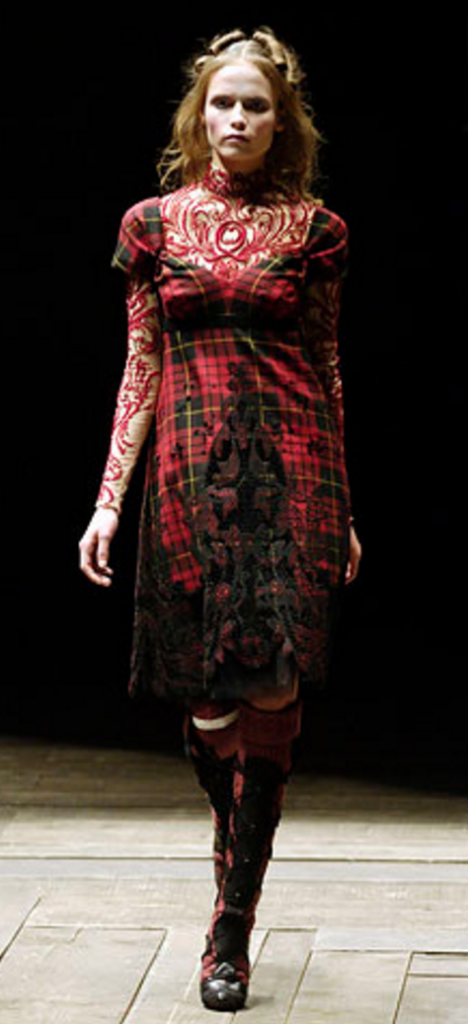
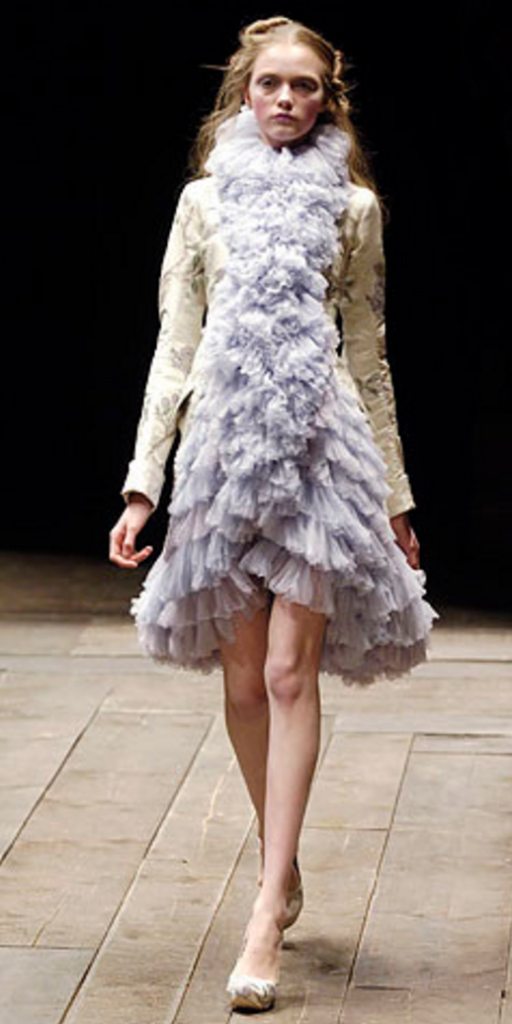
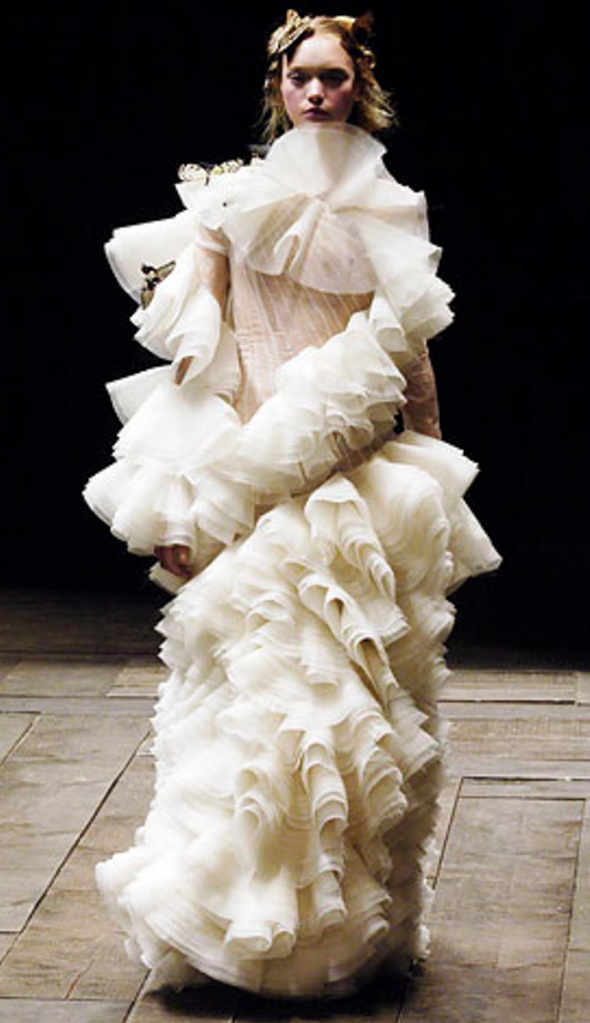
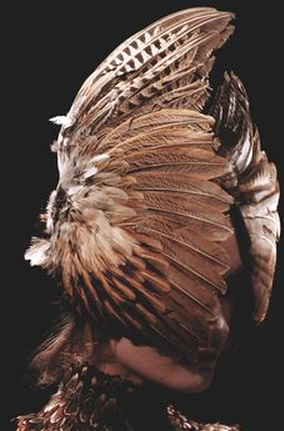
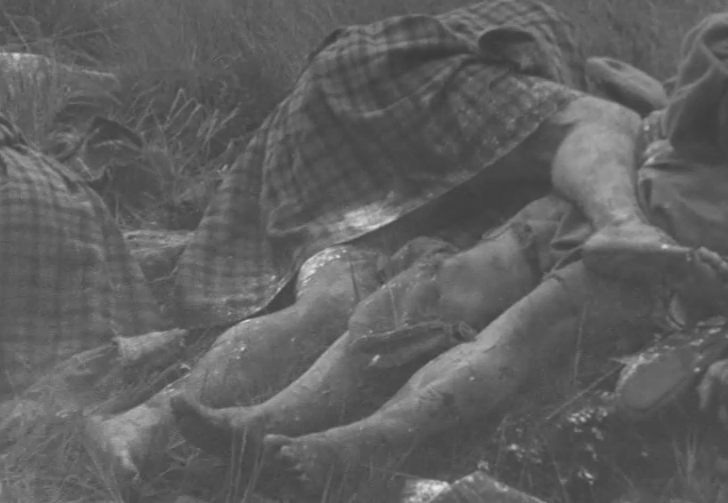
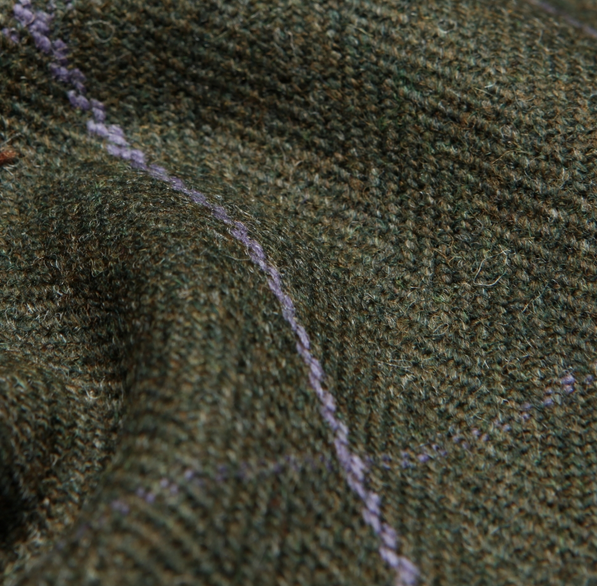
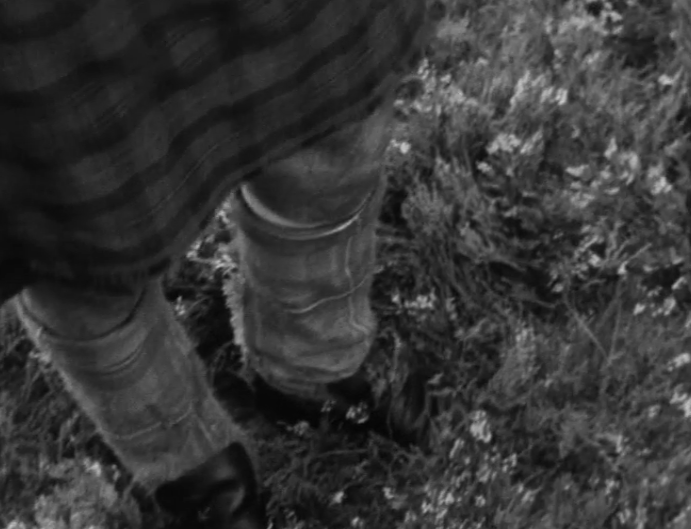
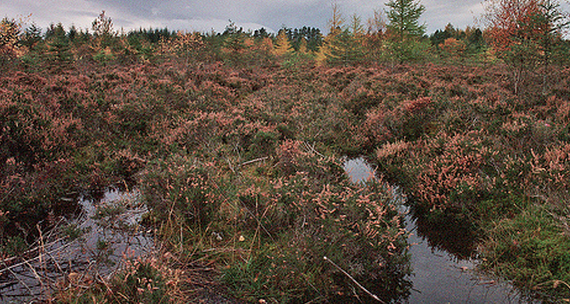
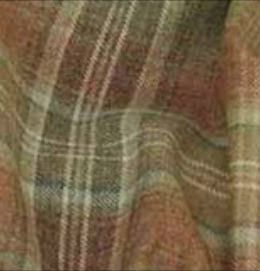
With the Alexander McQueen exhibition continuing to show in London it would be impossible to not visit Culloden when in Scotland. I was fully aware of the historical significance of Culloden but here I was interested in the tactile and the sensorial. The colours of the moor translate through the natural dyes that were the basis of the original early field tartans. In the composition above I wanted show how intuitive McQueen’s designs were to the place and location whilst simultaneously referencing historical narrative. The loan stag followed across the moor by a travelling herd of widowed doe. A female takes on the role of the stag as all males have been slaughtered. The beautiful poetic of this collection leaves the surviving herd ill clad for the harsh Scottish winter and to survive their battle has just begun.
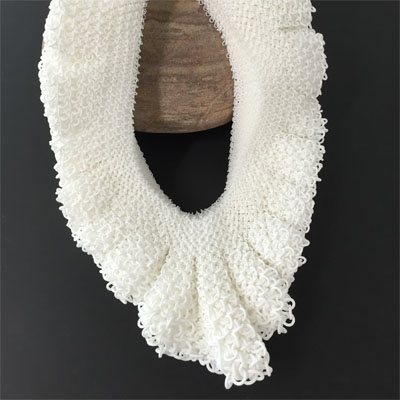
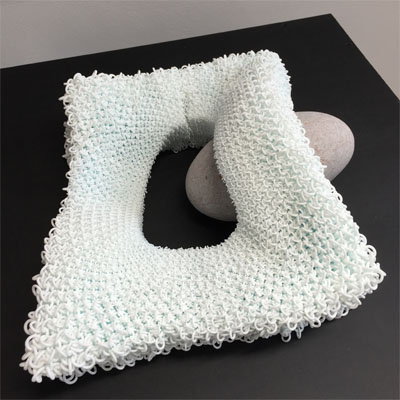
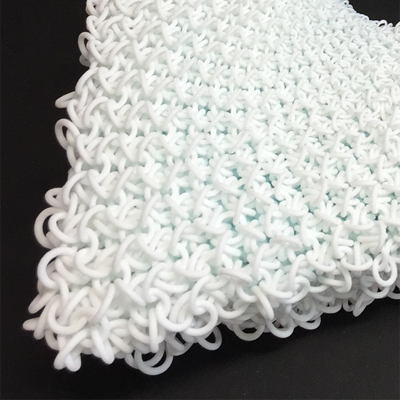
270615 - 3D Print - Royal College of Art, Battersea, London > words
Student summer shows, today visiting the final year show at the RCA today, some interesting work. The use of 3D printers is prominent at pretty much all the degree shows this year, and across all subjects. Love its use in recreating these collars and cuffs from the around the 16th Century, as contemporary pieces.