

090516 – Glamour – London > words
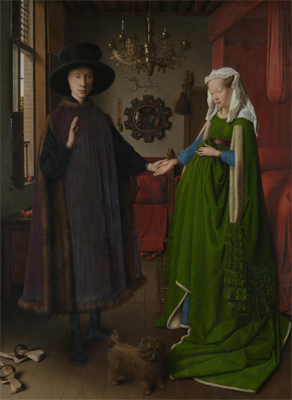
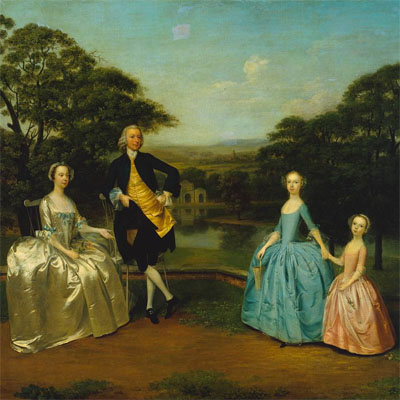
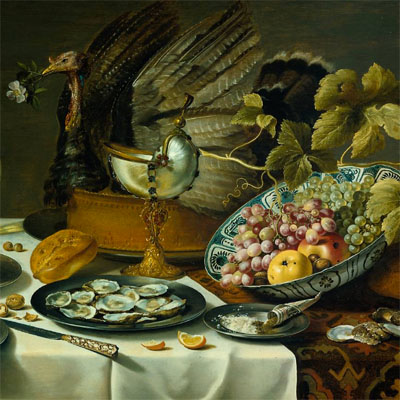
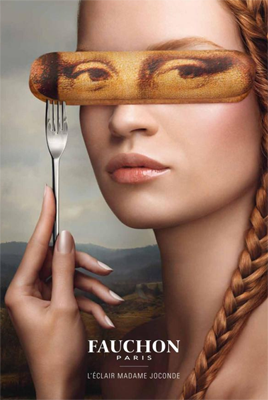
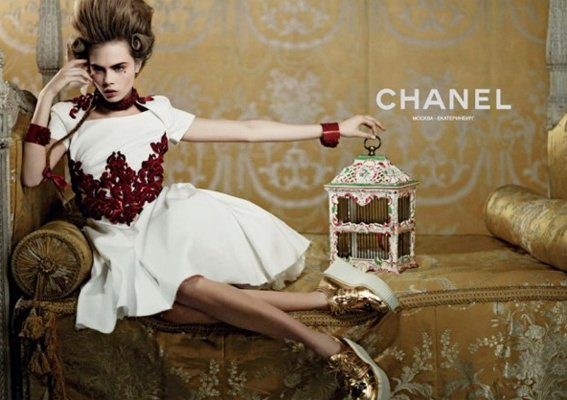
Oil painting celebrated private property. Ownership is measured in quantity and quality, vast landscapes of the country estate, elegant details of the jewellery collection, exquisite fabrics, rare porcelain and sculpture. The quality aspect of ownership puts emphasis on fine detail and from this the hyperreal super intense assemblage develops as a genre in which to indulge in excess. The viewer is to envy the excess as they are excluded from it. The digitally manipulated image continues this collation of detailed and elegant excess and uses it to advertise a lifestyle via desirables. The advertisement encourages envy but simultaneously offers hope as it sells the idea that lifestyle can be purchased through products. Lifestyle is sold on association so new products are juxtaposed against established lifestyle criteria. The hyper-real is tactile and touchable, being within reach is part of its selling power. The advert differs from the oil painting in one very important aspect. The oil painting reaffirms ownership; it is a picture of products, property, landscape already owned, an authentication of status. The advert promises a lifestyle if one could own. The advert has to first make the viewer dissatisfied with their existing lifestyle to encourage them to buy into the lifestyle promised. Adverts play on the anxiety that if you have nothing you will be nothing. The oil painting was a summation of wealth at a particular time and was therefore painted in the present tense as a record to be handed down to the next generation. The advert is always in the future tense, what could happen if you bought into the proposed lifestyle. Most people can rarely afford the whole lifestyle so they buy a symbol of it, the designer t-shirt or the signature sunglasses. Advertising aimed at the middle class does so by selling lifestyle combinations, complete outfits or complete interiors.
Glamour is a twentieth century invention and presents the enviable. To be enviable it has to be achievable and within reach. True beauty, genius and supreme talent are not envied as we appreciate their rarity and their genetic good fortune. These are not glamour. Glamour is envy added to the everyday.
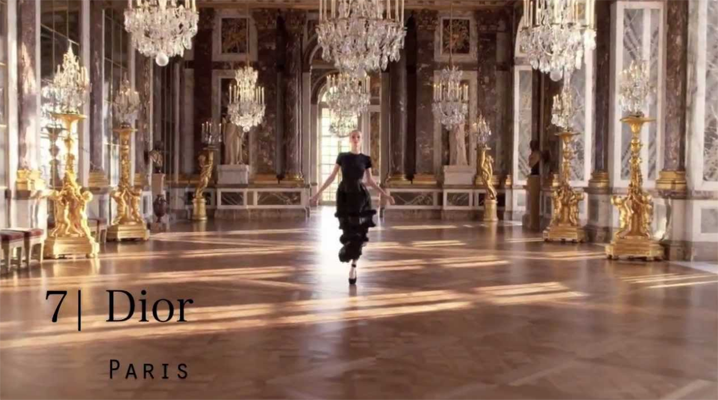
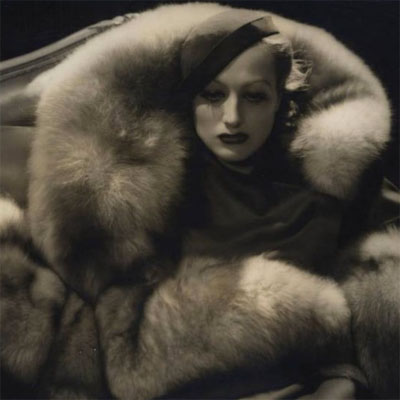
Glamour’s true potency begins with the cinema of the 1930’s and is a twentieth century marketing invention. The exponential potential of dispersing media with the invention of film and television puts emphasis on the visual above all other characteristics. Glamour capitalises on the distribution and manipulation of the visual. The digitally enhanced image becomes the symbol and identity of the person. The person is assessed completely through the visual image. Markets are saturated by recurring images and these substantiate the ideas of glamour. The concept of glamour is most tenacious in urban conglomerations, in large cities, such as Paris, Rome, London and Los Angeles. Previously here the glamorous image could be quickly distributed. Today the concept of city has little relevance as glamour is propagated globally online. Glamour is international and tied to modern economies. It is a sellable commodity. As advertising develops, the visual image is increasingly used to provoke yearning for a lifestyle. As glamour is always advertised in the future tense, achievable through purchase, it is insatiable and enduring. Modern man exists within the contradiction of what he/she is and what he/she aspires to be. Advertising and glamour exploit this contradiction and this life of envy. Advertising gains credibility and longevity by bringing the unobtainable within reach only to offer the next desirable once reached.
Celebrity culture specialises in selling glamour, it packages the normal in a wrapper of envy. The viewer realises that the only difference between themselves and the glamorous is the wrapper. Today the glamorous are made over night they need no special talent other than being exposed to an audience. Reality programmes have taken the most banal and repackaged their product as celebrities. Marketing loves the celebrity, as they are able to capture a wide audience through a single character. The increased normality of the celebrity the greater the catchment potential for the marketing teams. Not too pretty, not too bright, not too talented the girl and boy next door all wrapped in glamour selling envy and desirability. As the marketing of glamour captures a forever widening audience with new mediums of distribution the subject of glamour reaches a new low. The greater the market-reach the lower the common denominator needed of the subject. Maximising market catchment becomes the driving force behind glamour. Glamour is an illusion. Glamour keeps the viewer at a distance and it needs that distance to maintain the illusion, this is why glamour works so well when distributed via the media.
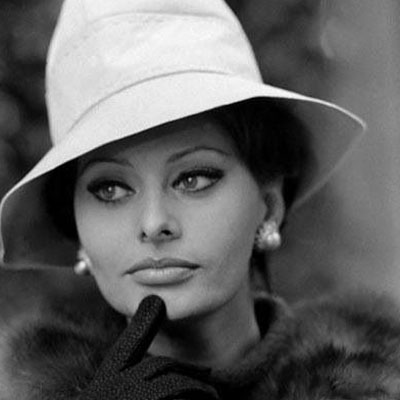
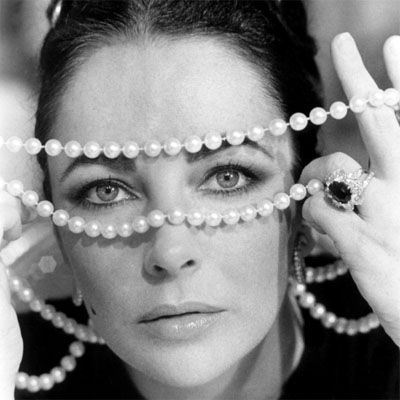
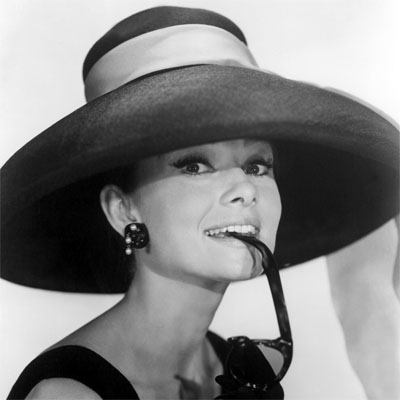
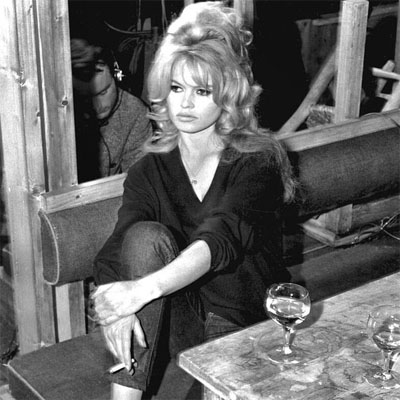
Glamour may have peaked during the 1950s and 1960s. At this time glamour and style were intrinsically linked and the marketing of it was personalised and limited enough to retain its credibility. Glamour today is mass produced, a factory product, a process through which each new prospective celebrity is churned. It uses a generic formula for what is glamorous and applies this to each individual, saturating the identity and qualities of the individual. Numerous talent shows have the ability to turn raw talent into tacky mediocrity via the glamour machine producing a poor derivative of the celebrity juror. The celebrity juror is often already a second or third generation derivative and this process is dilutive.
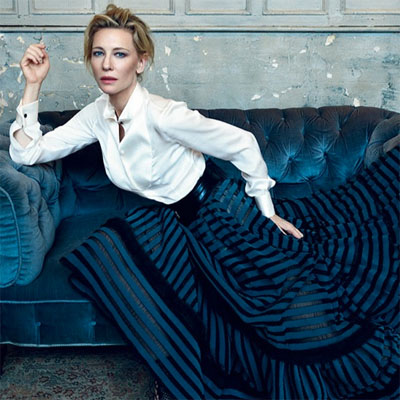
Glamour fortunately does still exist where the individual is in full control of the marketing machine. Glamour provides the platform for experiments in excess, where designers can explore the limits of luxury and the conventions of etiquette. The recurring red carpet events of the Twentieth and Twenty-First Century have become the substitute platform for The Royal Courts of the Seventeenth and Eighteenth Centuries and as such glamour has replaced pageantry.
The Surrogate Twin