
101116 – Caravaggesques – National Gallery, London WC2 > words
Beyond Caravaggio at The National Gallery.
The impact of Caravaggio’s painting in the early 17th century was both profound and brief, lasting approximately 30 years. Numerous artists admired and copied his work and style. The accepted idealised images to be used in paintings containing concepts of perfection and beauty are laid aside for the grubby reality of the poverty and muck of Rome. Artists from Italy, France and the Netherlands indulged in this newfound realism in which light and drapery are used to emphasise and frame the narrative. Street vendors in contemporary costumes take their place in the epic scriptural paintings of the Baroque. Biblical stories painted with graphic contemporary realism in the taverns, basements and the back streets of Rome.
Caravaggio is a favourite artist and the Caravaggesques are worthy disciples of the chiaroscuro techniques that give this style such drama. The work is well covered both in exhibition reviews and conventional art and bibliographical text so I won’t elaborate further here. Instead I enjoy and offer seven fragments of life, grime and suffering.
The Surrogate Twin
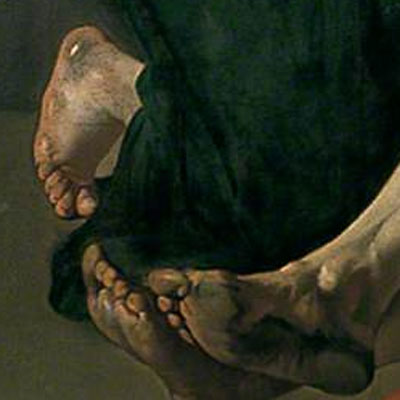
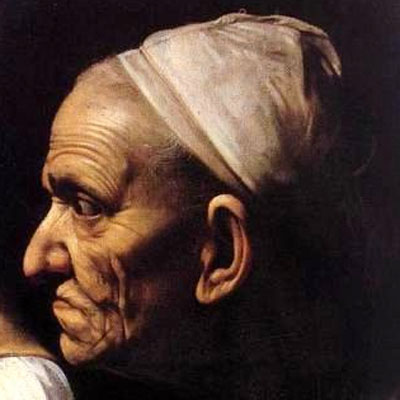
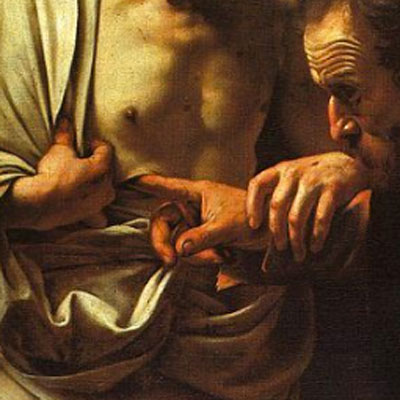
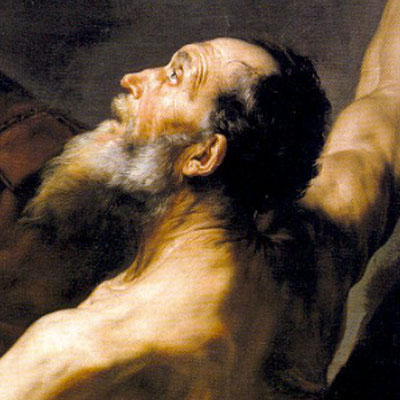
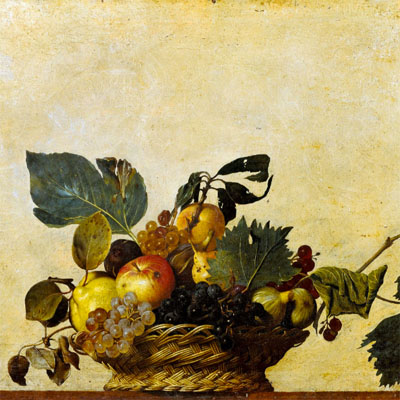
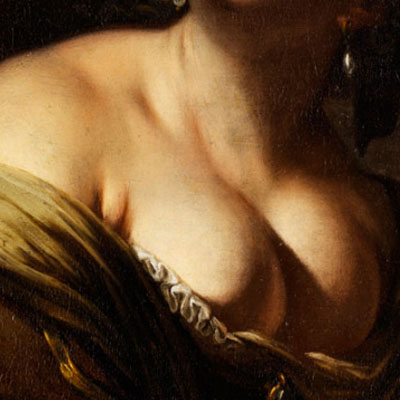
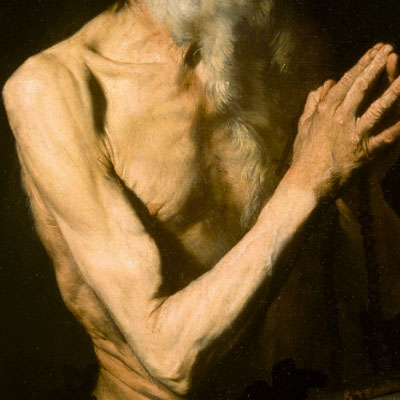
Images left to right, details only
- Dirck van Baburen (1595-1624). Cimon and Pero (Roman Charity). 1622
- Michelangelo Merigi da Caravaggio (1571-1610). Judith Beheading Holofernes, 1598
- Michelangelo Merigi da Caravaggio (1571-1610). The Incredulity Of St Thomas, 1601
- Jusepe De Ribera (1591-1652). The Martyrdom Of Saint Bartholomew, 1634
- Michelangelo Merigi da Caravaggio (1571-1610). Basket Of Fruit, 1599
- Artemisia Gentileschi (1593-1656). Catherine Of Alexandria, 1635
- Jusepe De Ribera (1591-1652). Saint Onupbrius, 1630