
160716 – The Velites on The Wall – Northumbria, NE47 > words
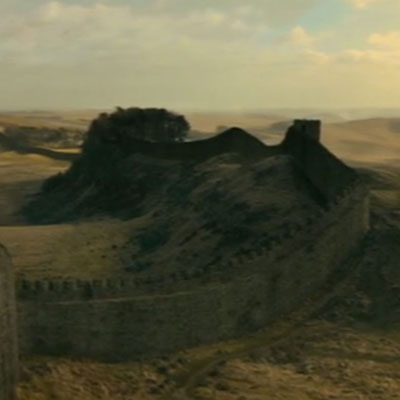
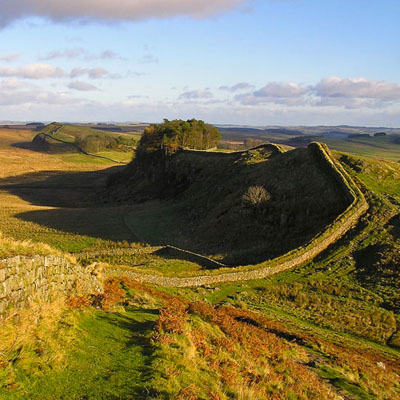
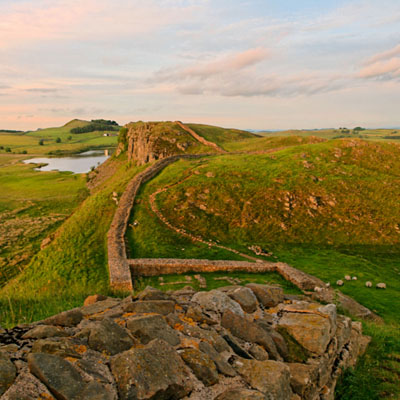
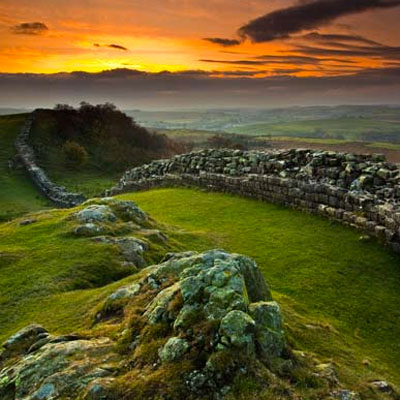
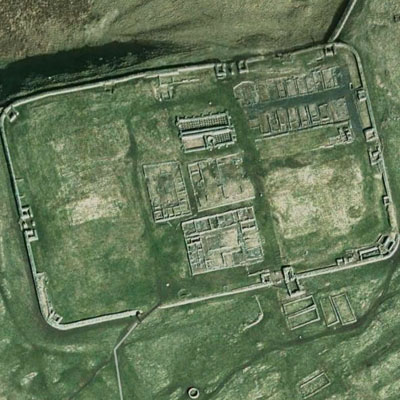
On our second day at The Bothy, we wake to a morning mist falling over the lazy dormant landscape stretching to a horizon of soft rolling hills dotted with woodlands and glades. Sheep bleat their way through the reeds looking for new grass as the sun lays its early morning haze onto dewy ground. The blissful silence is broken by marching feet and angry voices speaking in Latin and Greek. It is one of the auxillia regiments from the mile-castle west of The Bothy inspecting the wall for damage or traversing. The year is 128AD. It has been eight years since the loss of the IX Legion, 5000 fully trained soldiers that had marched North never to be seen again. One of the greatest losses of The Roman Empire and a shame that Hadrian and the Roman Consulates could not bear. Hadrian ordered the building of a wall to stretch from The Solway Firth on the banks of the Irish Sea in the west to the River Tyne on the North Sea to the east. Work started in 122AD and most of it is now complete. Hadrian’s Wall the northern most point of the conquered civilised world, the edge of an Empire, beyond it the barbarian Druid hordes.
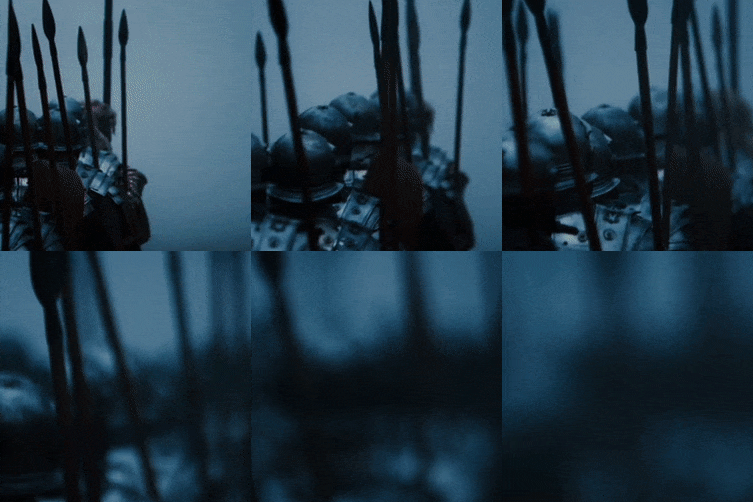
The auxilia are a lower regiment and are made up of volunteers from the countries within the conquered Empire, their uniforms are a hybrid of homeland and Roman they retain their traditional weapons and fighting skills. These are mercenaries on a high-risk twenty-five year conscription working for low pay and the promise of the coveted Roman Citizenship. In this regiment we can see sling throwers from Greece, archers with their composite bows from Syria and club bearers from Germany. The Auxlilia are made up of the lower ranks, the ones that man the wall and deal with the day to day skirmishes, the front line, the untrained raw brawlers. They are paid less than a third of the Legionnaire’s salary but their soldier’s life is still better than it would be as a civilian.
The Legions, each at least 5000 strong, are now housed in forts south of the vellum or in the outposts north of the wall. The Legionnaire’s are all Roman Citizens often elites building their military CV before entering a life of politics and administration, they are professional highly trained soldiers and can look forward to a good salary and pension. The legions consist of heavy and light cavalry, cohorts of infantrymen, hastati and triarii along with engineers, builders and craftsmen. The success of the Roman Empire has been pa