
170708 – Canton – Guangzhou > words
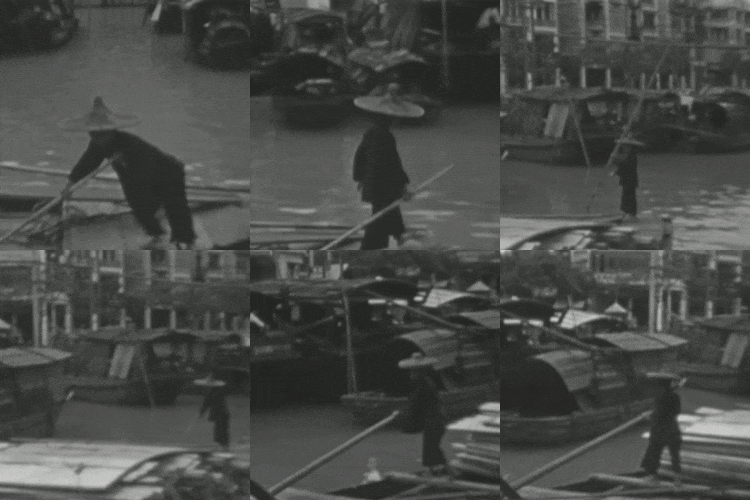
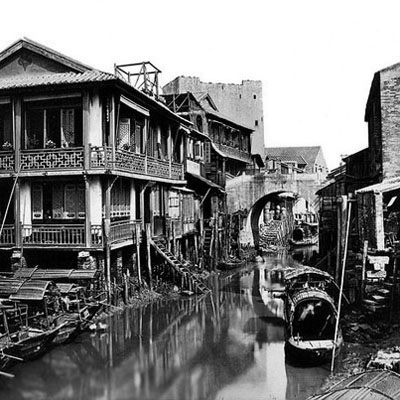
North West of Hong Kong in the south of China where the Pearl River spreads its fingers into The South China sea lays a level land of canals, estuaries, deltas and silt banks. These rich soils connected by a labyrinth of waterways would eventually grow into the great trading port of Canton. Since the 16th century Canton had been connected to the west through trading with the British, French and Portuguese and in the process inheriting a tapestry of cross-cultural influences.
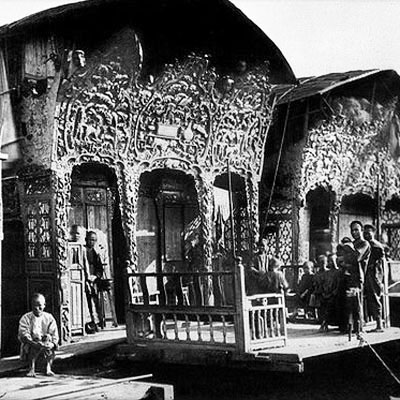
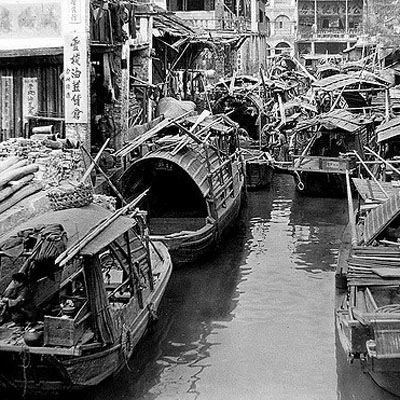
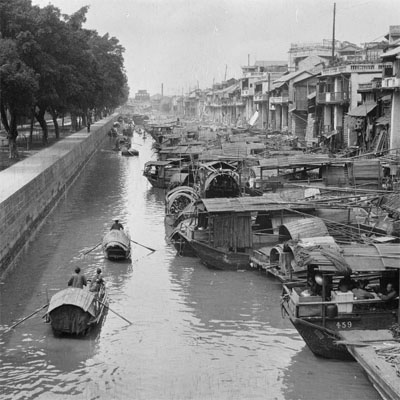
Sheltered and fed by the Baiyun mountains to the north, the Pearl River Delta is formed by the convergence of three major rivers, the Xi Jiang (West River), Bei Jiang (North River), and Dong Jiang (East River). The flat lands of these alluvial deltas are crisscrossed by a network of tributaries and distributaries forming a natural network of communication conducive to trade. Inevitably a people at one with the navigation of these terrains thrived, a boat people that were as happy on land as they were on water. To live, work, eat, sleep, sail and sell, a composite synergy of activities on one floating platform. Floating villages formed, together moored to the banks of trading towns. The transition from land to floating communities lost within the density of it all.
These romanticized images perhaps could only be formed from a European perspective, where history and culture are so intrinsically intertwined they are read as one without differentiation. Canton, now Guangzhou is today an economic powerhouse, much of its former history has been erased, first by the Communist Party and of late by the onslaught of Capitalism. The Guangzhou International Finance Centre, an exquisite 21st century tower at the heart of a thriving metropolis could not be further removed from trading dry fish under a bamboo canopy off the deck of a sampan. Yet each generation stands on the shoulders of those that preceded it, upon the accomplishments of others, knowledge is passed down reappraised and assimilated.
I am soon off to Guangzhou, perhaps to collaborate with a truly 21st century company with an expanding commercial empire, a logistics machine that opens a new shop every four days, an impressive trajectory even in these heady days of online globalization. But when in Guangzhou as I walk among its four lane highways, dwarfed by its 400m towers and lost within its multi million population I will be searching for the scent of Canton, searching as only a romantic can for the essence of what makes something unique. Only by identifying the ‘what and why’ that makes a product special can one hope to enthuse others to enjoy and share in that same experience. My romantic walk may well be just a day dream on the plane as the reality of the 21st century dynamism of this Chinese economic hub will hit next week and my schedule leaves little time to muse a thousand years of history. Idealised and naively romantic this may be, but to extract the essence of what is Chinese is the objective of my visit. Only by selling what is Chinese to the West will a Chinese company be successful, neither undercutting nor imitation will have longevity in a crowded market. So somewhere under the layers of what now is the metropolis of Guangzhou the cultural riches of a hidden Canton are waiting to be rediscovered.
The Surrogate Twin
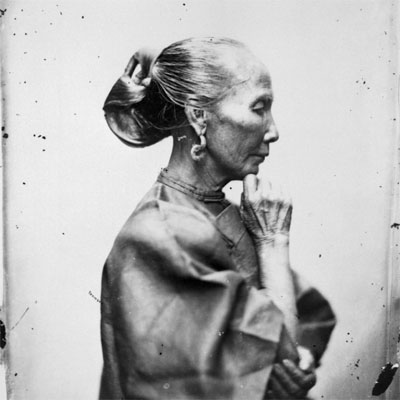
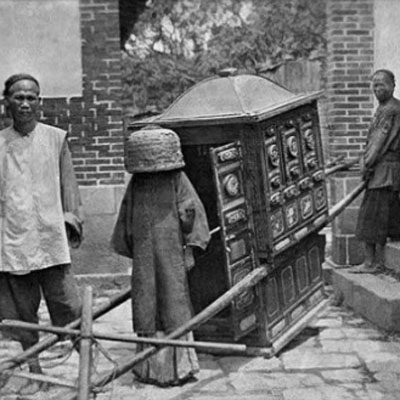
Images left to right, 1 Canton River, 2 Canton Style, 3 Flower Boats, 4-6 Busy Waterways, 8 A Wedding Bride.