
260416 – Punk Sexuality – London > words
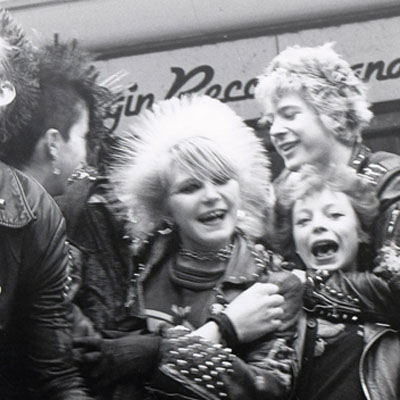
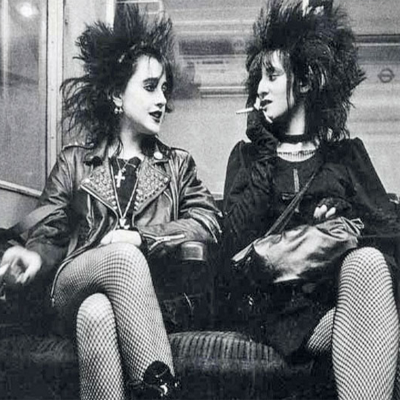
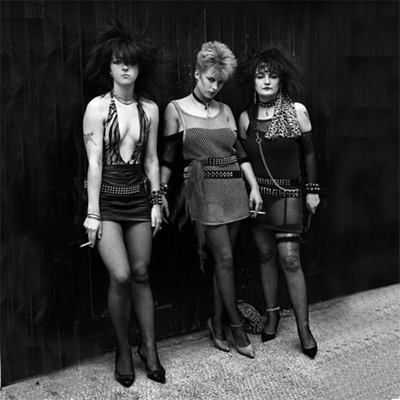
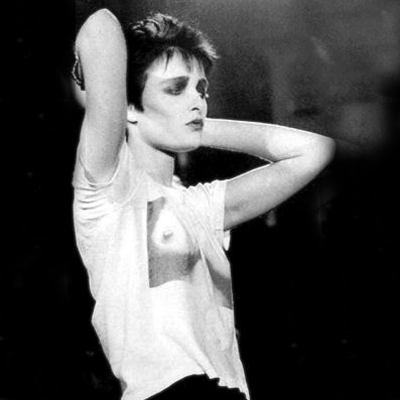
The UK of the 1970s was a complete mess. The working class, as always, react to oppression with invention. Cohesive society fractures and splinter groups form to establish areas of new art, identity and exploration. Some of these groups were retro and some new, some are positive and some negative. Skinheads, Teds, Rockabilly, Ska and Punks were all on the streets during this period. They had their own clubs, music and style of dress. At the time all of these may have seemed negative or without direction but with hindsight many positive things came out of this period of unrest. None was more positive than the achievements and legacy of female punks and this continues to enable and influence future generations. The punk movement encouraged complete self expression, neither talent nor tuition was a prerequisite and everybody was equal. This formed an unlikely platform for women, it was explorative, liberating and wild. The Roxy of the late 1970’s was a male dominated venue, it was aggressive, dangerous and intimidating and yet there were women there holding their own. I was in my mid teens when at the Roxy I recall how disturbed and confused I was about punk women. I found punk women incredibly attractive I had a primal lust for them but they terrified me. All of the signals were confused, public/private, inviting/defensive, attractive/repulsive, welcoming/opposing, aggressive/friendly male/female all of this in the chaotic cocktail of sweat and energy that was the Roxy set off sensory alerts that kept you on edge. It was an adrenaline junkies heaven. Punk women were aware of this male disorientation to their aggressive androgyny and explored its limits. It was, of course anarchic, it destabilised and confused, it was living performance art reassessing all conventional relationships. I can remember reading many years later a quote from Viv Albertine of The Slits “Guys didn’t know whether to fuck us or kill us” and although I’ve never wanted to kill anyone I knew exactly what she meant.
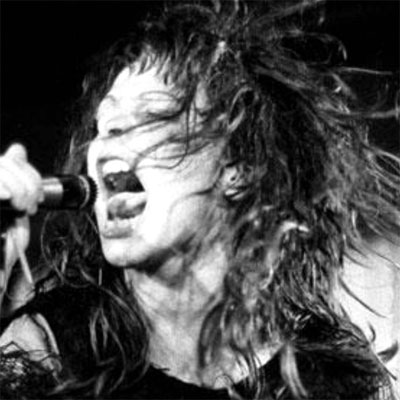
The counter culture of the punk scene encouraged women to participate on equal terms. If you could play get on stage. If the crowd approved they would dive into that bouncing scrum called a dance floor and you could continue playing. If the crowd disapproved they’d throw things at you until you left the stage, the same counteraction whether male or female. Punk enabled more women to form bands, play instruments and tour independently than in any previous music scene. Women pre-punk were often kept on the sidelines or added to a band for decorative affect. Previously there were many women front singers but now there were whole bands. The influence has continued as it is no longer unusual to see female guitarists or drummers. The role and the attitudes of Metal group L7 are indistinguishable from male Metal bands and this gender liberation owes a lot to the women of Punk.
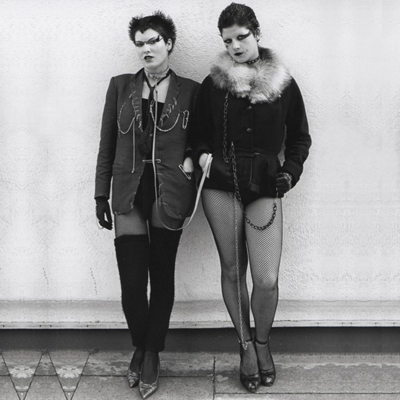
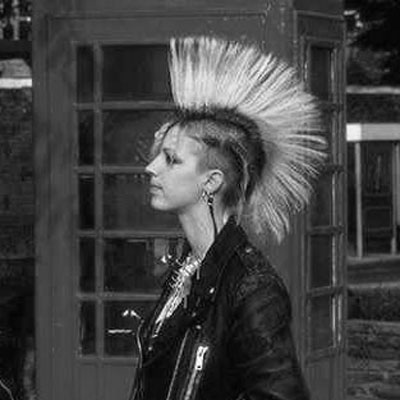
For Punk the body was a political instrument, a symbol of opposition, of statement, of disgust for established conventions. It made the viewer question their own ideals on what is acceptable and gender presentation and identity featured strongly in this. Men dressed as women and women as men. Gender specific garments were adopted by the opposite sex. Hair, make up, piercing was all part of a genderless uniform. The conventional hierarchy and ordering of clothes was also questioned, everything that was normally hidden was brought to the front creating explicitly outward identities of sexuality. Further dress hierarchy was destructured as skirts were worn as tops, shirts worn back to front, clothes worn inside out. There was ripped multi layering, material and colour clashes, country tweeds with torn tights, suit jackets with metal studs and chains. Slogans adorned most surfaces and were no longer confined to T-shirts. The only rules were there were no rules. The body politic juxtaposed items of conventional clothing as a critique of their established roles and their use in society. Punk was an angry movement expressed through a masculine aggression. Women adopted an aesthetic of masculine aggression but pushed this further by using their bodies in the same way that men would. At the time Punk was not a deliberate intellectual movement but intuitive and responsive. In retrospect Punk was very much part of the Post Modern schism, a point of inflexion, questioning and redirection.
The influence of punk endures. Ten years after the Roxy I remember seeing a student at an art college, she was dressed in an orange Gaultier top, It had arms down to her knees and her arms came out at the elbows. The top was spray fit. She had a pair of Wolford electric blue tights on and had black steel toed hobnail boots, unlaced. On other days she would come to college in stripy pyjamas or an old ripped boiler suit that had no sides, you could see straight through from one side to the other and she rarely had much on underneath. When she left she would wrap up in a moth eaten fur coat, more living compost than garment. It was easy to read the legacy of punk simply from her outfits. Design houses had favoured it from Gallilano to Gaultier and quickly explored the new freedoms of aesthetic. Chanel was using graffiti?? Designer fashion pieces were now being mixed with found and altered items trawled from the second hand charity shops. Women were still questioning the conventions of beauty and appropriateness and aggressively staking their space. They would argue their case with a blind vengeance and defend their work until the critics became overwhelmed or defeated. The student in question was Lorraine but it could well have been many an art student of the 1980s of 90s. Once again I was overwhelmed with the irrationality of it all but reassured by the undiscovered potentials expressed though the medium of continued conversation that is progress.
The Surrogate Twin