
200217 – Murano – London > words
It was fear of the spread of fire that 13th Century Venice moved its glassmakers and glass foundries to the island of Murano. Venice at that time consisted of mainly wooden buildings and Murano, that had been a commercial port since the 8th century, was well suited to what would be its future industry. By the 14th century glassmakers were the most populous people on the island. As the reputation and commercial importance of Venetian glass grew the glassmakers of Murano were the recipients of favourable circumstance. The glassmakers of Murano were allowed a leniency of Venetian law with regards to carrying arms and their new found status found them mixing and marrying into the nobility and aristocracy.
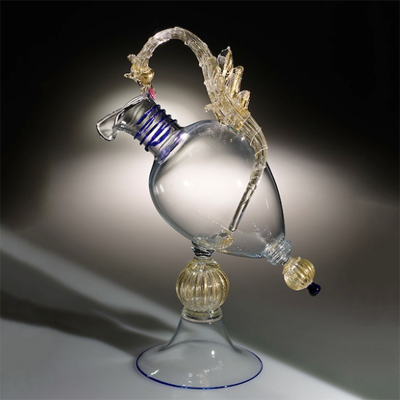
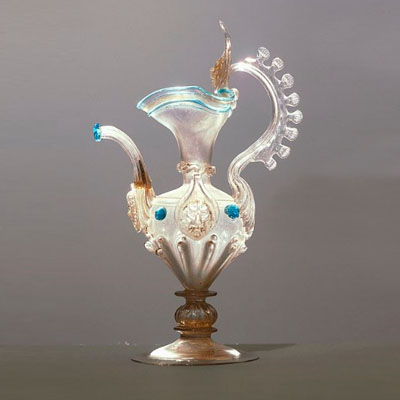
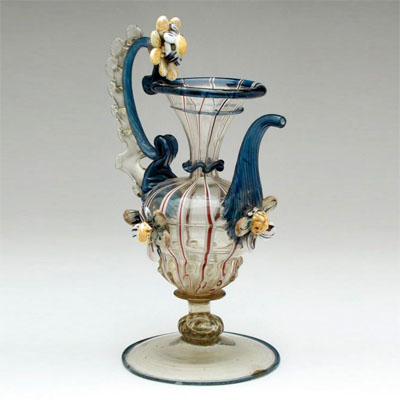
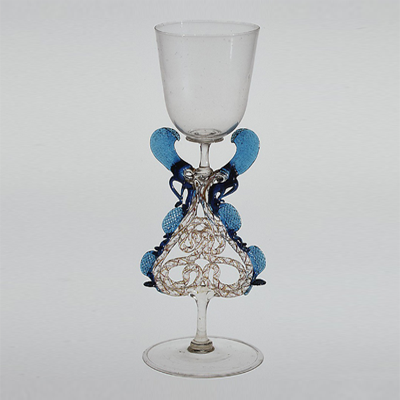
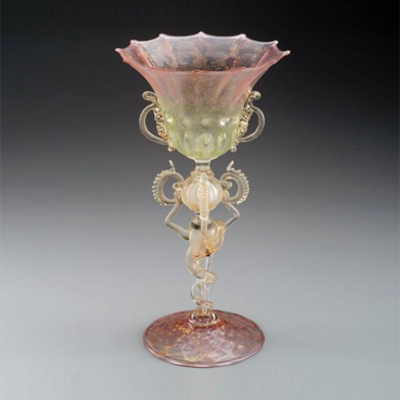
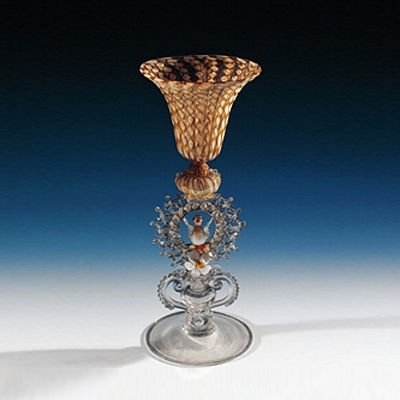
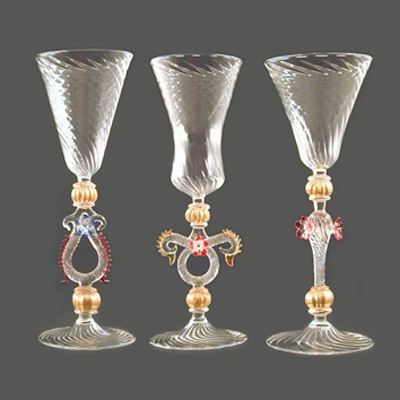
17th and 18th century Murano glass is unique in its compositional eccentricity. It is neither classical, Baroque or Rococo, its craft history and the skills established after centuries of working with secretive techniques allowed each artisan license to explore these techniques. The Rococo supplied the market place but the work was very idiosyncratic with established artisans composing using the techniques of their studio. Milk glass (lattimo), multicoloured glass (millefiori), enameled glass (smalto), gold threaded (aventurine) crystalline glass, large bead and small bead glass, were all used along with the skills of the ciocca (flowers) and glass figurine makers. The final compositions were part vessel, part sculpture, part bricolage. The pieces were heavily decorative, rich in ornamentation and colour, each an excessive exuberance of skills, technique and confidence.
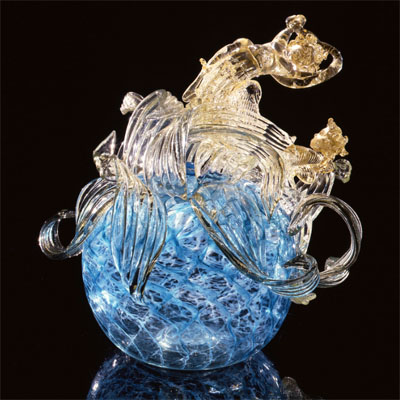
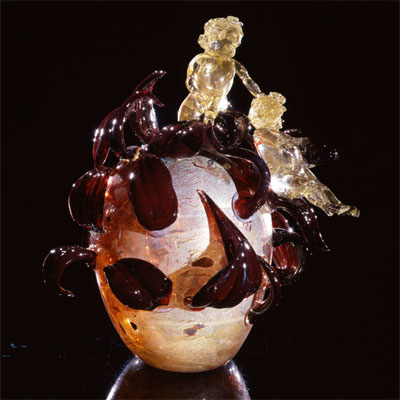
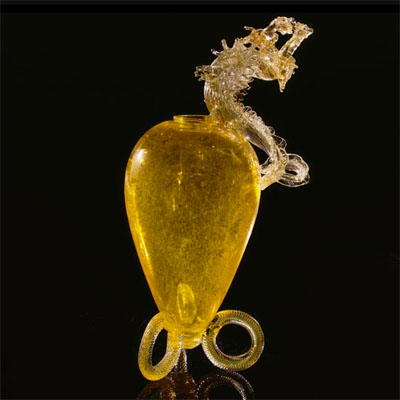
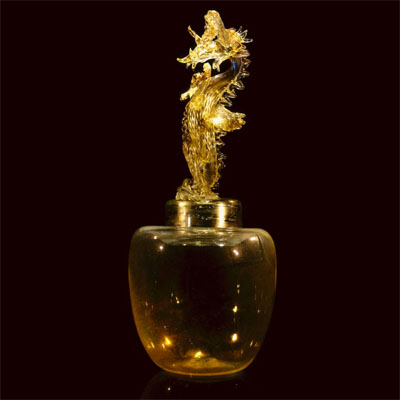
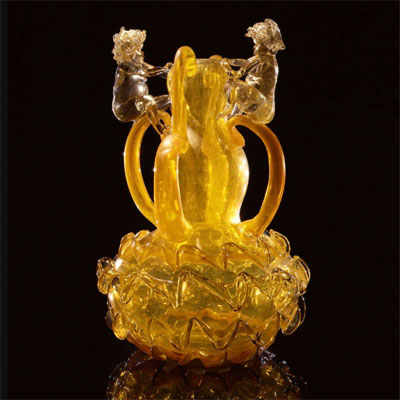
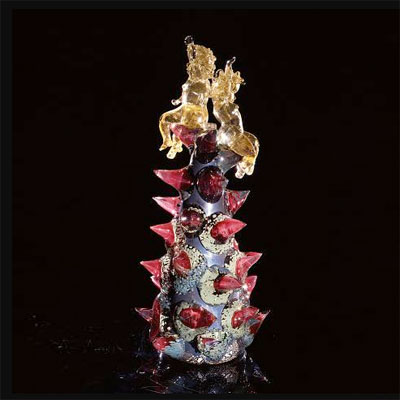
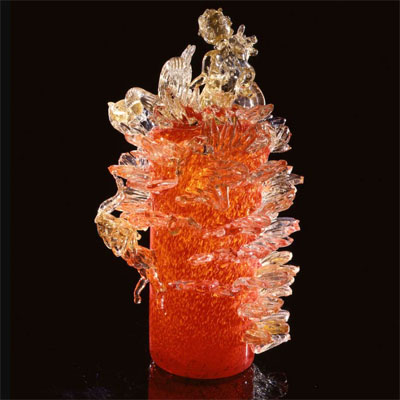
In 1988 Dale Chuhily made a trip to Venice to view the artisan glassmakers studios and this trip was to become the inspiration for a collection of pieces produced as a homage to Venice. Dale Chihuly’s The Venetians consist of 70 pieces some with Putti (cherubs) others inferred with the characteristics and techniques of the old Venetian masters but all of the pieces are new in both composition and aesthetic. Historical referencing recomposed for the 21st century, simultaneously beautiful and haunting.
Images – 1-7 Dale Chihuly The Venetians. 8-14 17th & 18th Century Murano glass.
The Surrogate Twin