Posted on

131215 – Europe 1600-1815 – V&A, London

131215 – Europe 1600-1815 – V&A, London > words

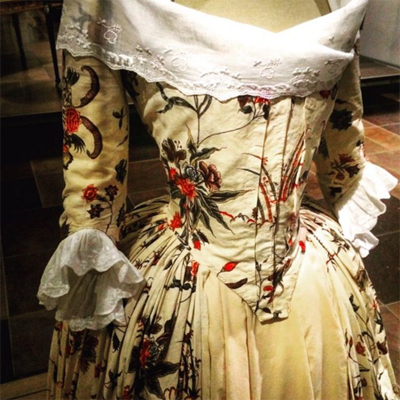
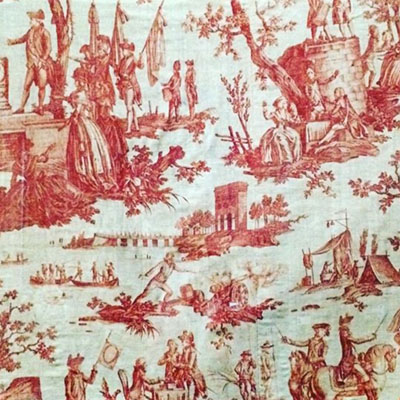
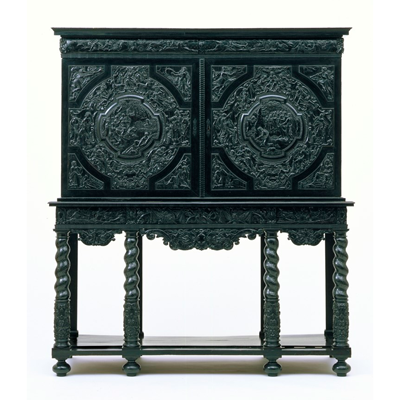
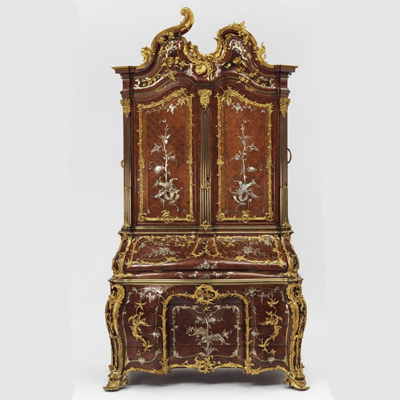
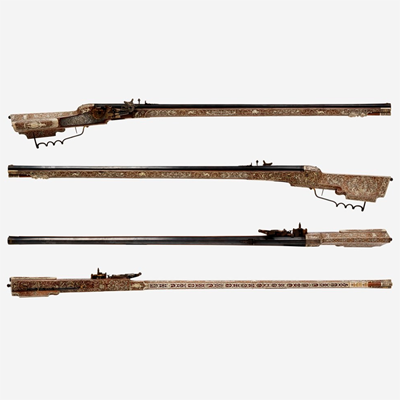
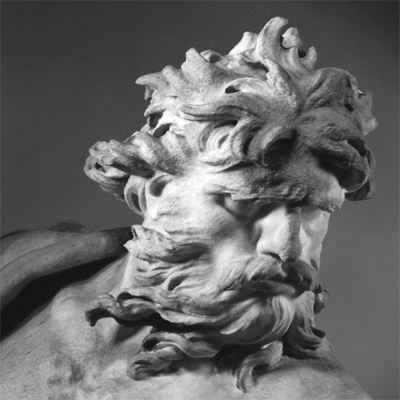
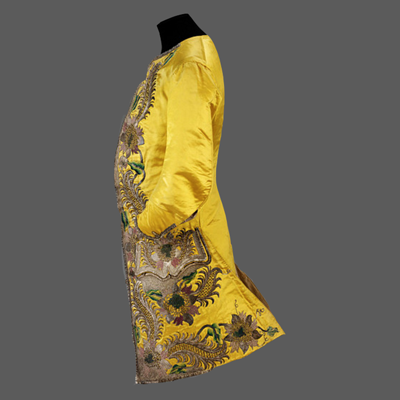
The new galleries at the V&A are now open covering European work from the 17th and 18th centuries. The galleries explain the transition of Europe through three distinct periods. The early 1600’s where Europe is under the influence of the Italian church followed by the early 1700’s under the power of French Royalty. Finally the later part of the 1700’s Europe under the influence of colonialism and the trade routes. These are beautiful galleries with exquisite detailing showing some incredible pieces of work. There is way too much for one day with the senses quickly reaching saturation. At one extreme the extravagance of baroque composition and its use of dramatic lighting and at another the mechanism of the wheel lock pistol. This is a multi visit gallery and one I will enjoy viewing as often as I can.

The galleries sit below ground level but open via a staircase to the main foyer that must look beautiful on plan. Unfortunately on a winters day the galleries quickly fill with the cold air from the foyer and are proving problematic to heat, an interesting problem for ZMMA.


Posted on

011115 – Percussion – Hyde Park, London

011115 – Percussion – Hyde Park, London > words

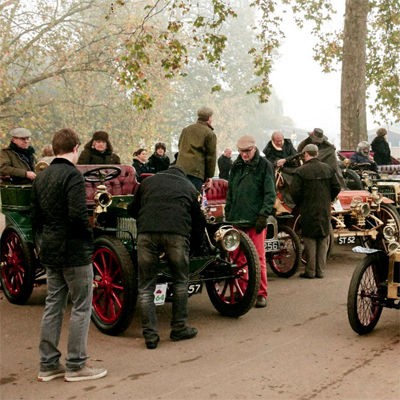
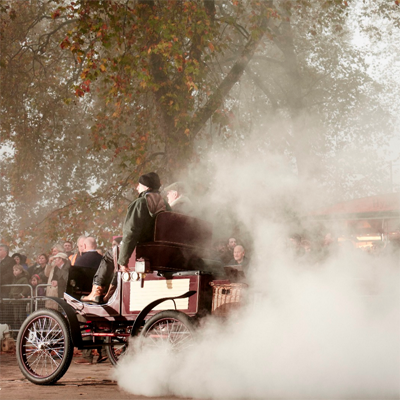
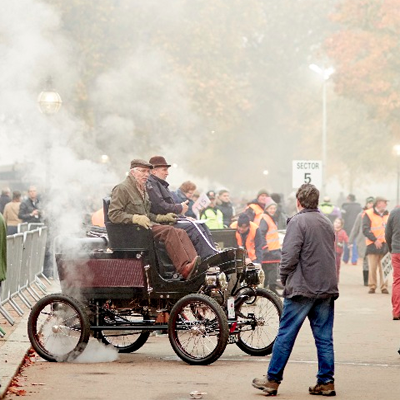
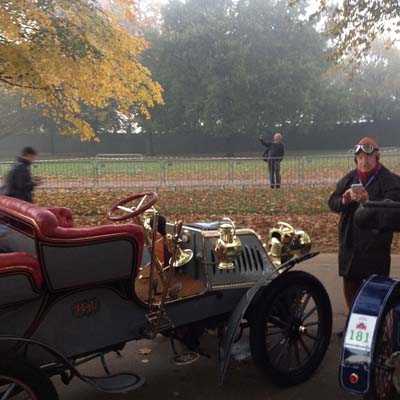
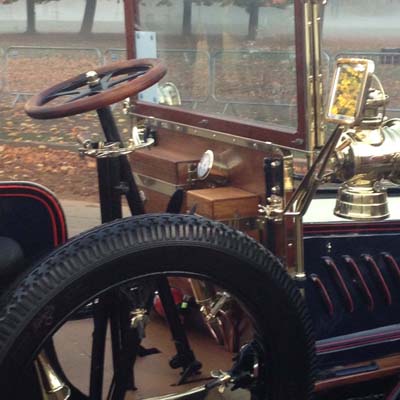
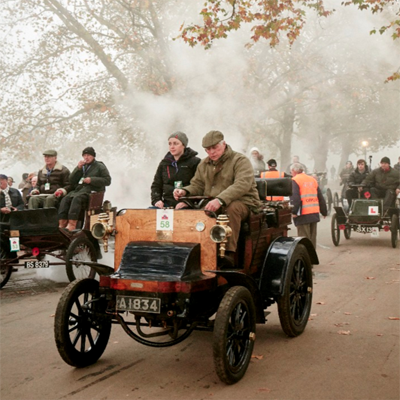
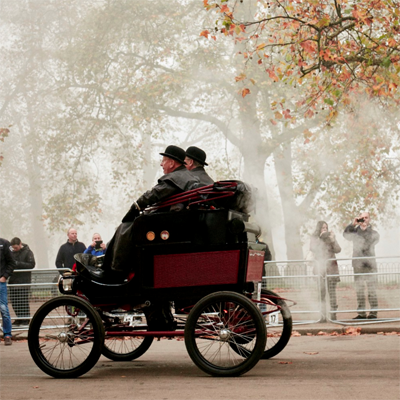
It’s pitch dark and we are up at 4.30am to get to Hyde Park for 6.15am to witness the start of the London to Brighton run with cars from 1888 through to 1905 running. It’s a fantastic misty morning with an autumn leave backdrop and the Serpentine lays mirror still. The air is full of smoke and oil accompanied by the clatter of vibrating mechanicals. Huge four litre single cylinder engines popping up and down shaking everything attached to them into a forced motion choreography, occupants included. Depending on the displacement, upon the number of cylinders (usually one or two) and the rotation of the cylinder block this describes the dance. With the cylinders placed vertically the car vibrates up and down, the whole vehicle bouncing on its leaf springs. Headlights nod, hats flap, bodies jog. The cylinder block placed horizontally shakes the car from side to side, everything wags, left right, left right, occupants move in a rhythmic counter sway all to the percussion of a-chuga-chug, a-chuga-chug. There are over 400 hundred cars all swinging and jittering whilst playing percussion in one huge mist enclosed orchestra. Today we were slow and missed our chance we were overwhelmed by the shear excess of the day but now we have a clear agenda for the next meeting. After the cars have all left on their run to Brighton we move on to Berners Tavern (with the amazing ceiling) for breakfast.

Posted on

171015 – The Fabric Of India – V&A, London

171015 – The Fabric Of India – V&A, London > words

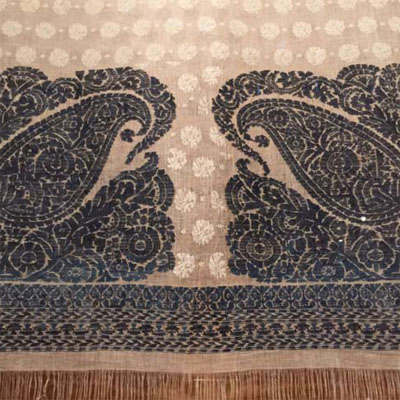
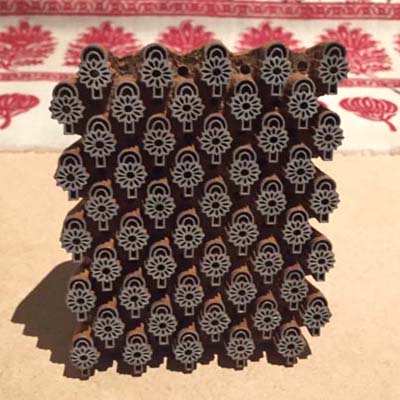
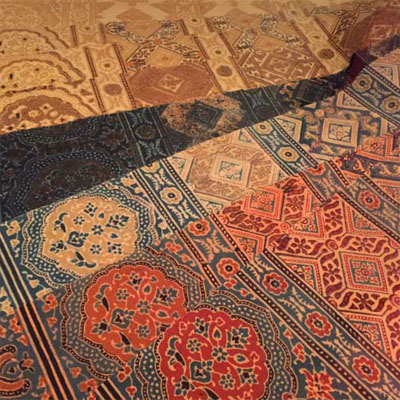
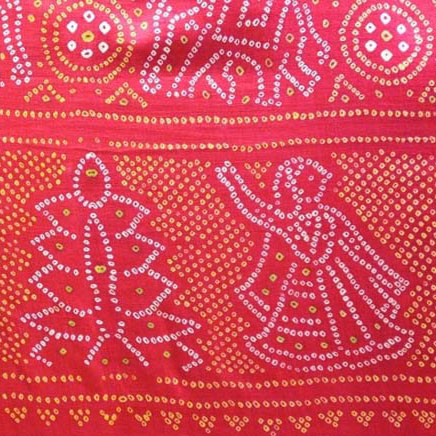
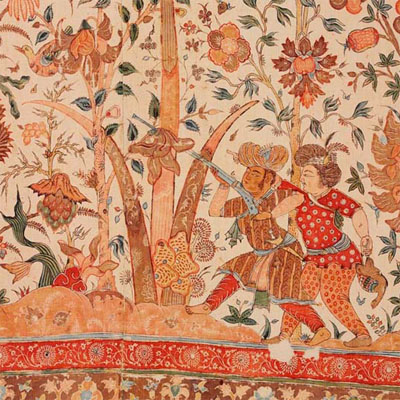
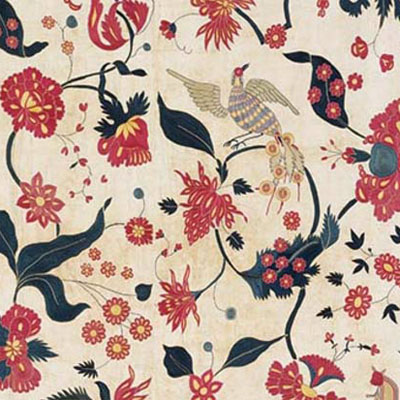
This morning I am sitting in my bathroom staring at a towel. It has a double sided combed cotton pile. It has a hemmed border and both ends have a flattened detail over several bars that make a diagonal wave across the warp of the towel. The towel is a faded lilac I have had it for many years. I have washed it, dried it, folded it, I have washed with it possibly thousands of times. The towel is made of Egyptian cotton. I know this as it is written on the label. The towel is just an ordinary john Lewis towel and I find myself staring at it blankly as I do not know exactly how it was made. I am reminded that so many of the everyday objects that I use I have no ideal how they work, what they are made of or how they were manufactured. What has bought me to this towel staring was the exhibition at the V&A The Fabric Of India.

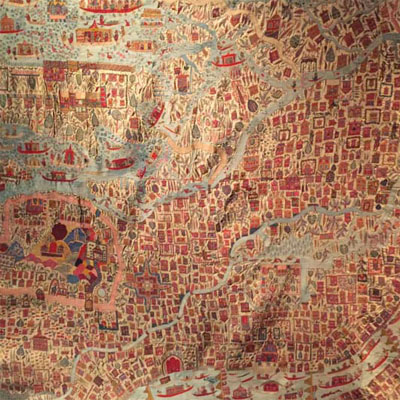
The exhibition splits into two distinct halves. The first talks about techniques and processes the second about conclusions and uses. The two halves of the exhibition space are joined by a delightful transition space made with walls of vertical elastic cord that have a wonderful optical affect when moving. When just through the transition space and I am confronted with a 200mm border of an asymmetrical composition of people, animals and plants and I read that it has been woven. At this point I realize that I cannot understand how this is possible. The complexities involved are beyond comprehension when knowing that it is made by hand working on a primitive loom. I can understand warp and weft, I understand how to make basic patterns, I do not understand how a pattern can be given a bias one side to the other or how to make complex asymmetrical compositions. A fascinating exhibition and one that will be scheduled a re-visit. It was a shame that a working hand-loom was not in operation as the primitive sounds would have added greatly to the ambience. 

Posted on

270915 – Apple – Selfridges, London

270915 – Apple – Selfridges, London > words

The Apple window for the Selfridges store in London is an impressive art installation. I have been unable to find out who carried out this work or how it was done but there is very little repetition. I would guess that this is one of the largest installations of 3D printed work I have seen to date. Inspired by the screen savers on the Apple watch the installation has been on view since August and I often visit when in the area. Here are some detail photos.

Posted on

220915 – Volkswagen – News

220915 – Volkswagen – News > words

Today I’m in shock at the news that Volkswagen knowing doctored emissions tests. This has to be one of the most stupid decisions I have ever seen by a corporation of this scale, a corporation I had huge respect for. To repeat the familiar quote, it takes a generation to build a brand and one mistake to ruin it. How much of a company is a brand worth, in my profession – all of it. It will take Volkswagen many years to repair this damage and the losses will be huge.

Posted on

290615 – Bowes Museum – Durham

290615 – Bowes Museum – Durham > words

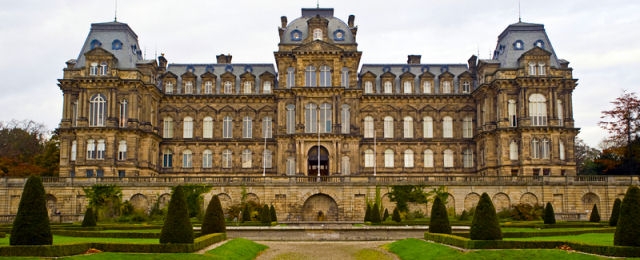
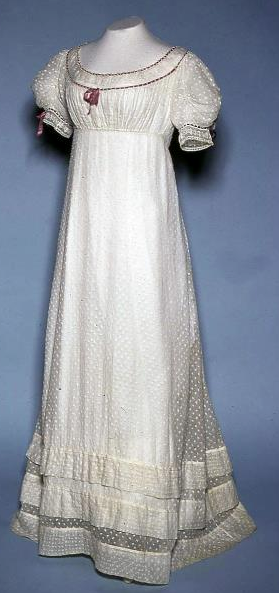
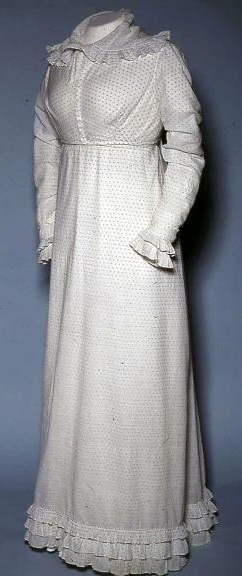
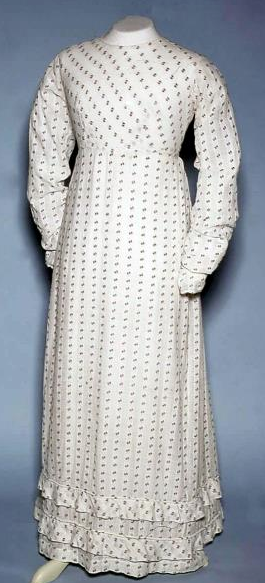
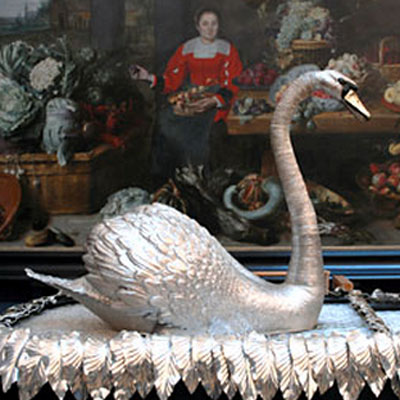
Barnard Castle, a French Chateau in Durham, now the Bowes museum. Sadly we were a few days too early to see the Yves Saint Laurent Exhibition: Style is Eternal but we did get to see The Silver Swan, a musical automaton and icon of the Museum along with the permanent collection of Canaletto’s, Turner’s, Courbet’s and El Greco’s. An interesting collection of early nineteenth century dresses meant that I never really was on holiday. There is too much here for the short visit our schedule allows and a focussed day would have been very useful.

Posted on

280615 – Tapestry – Hardwick Hall, Durham

280615 – Tapestry – Hardwick Hall, Durham > words

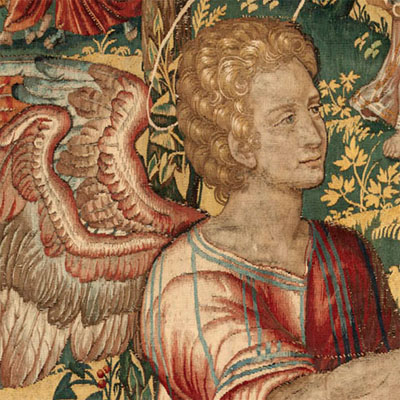
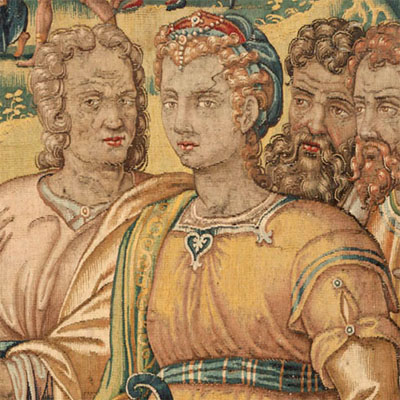
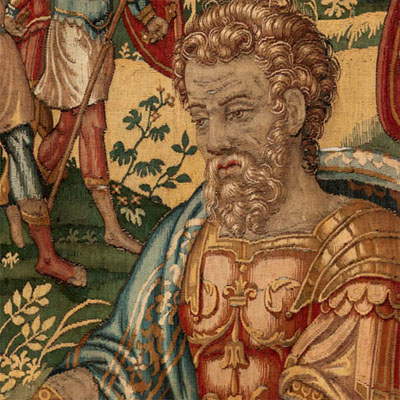
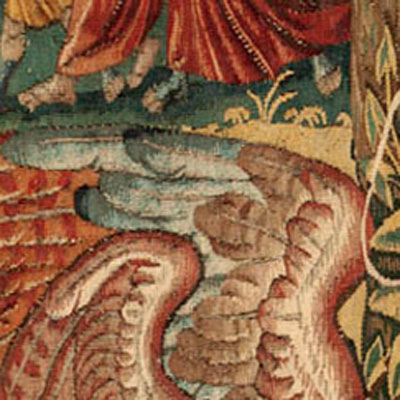
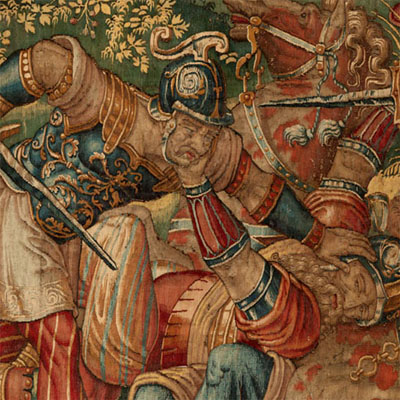
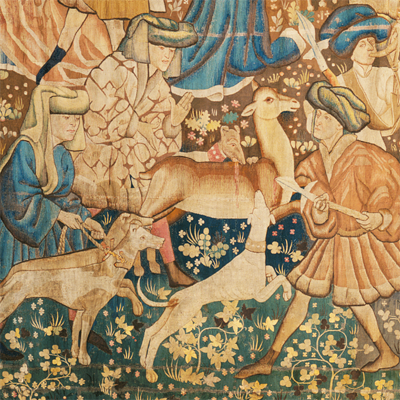
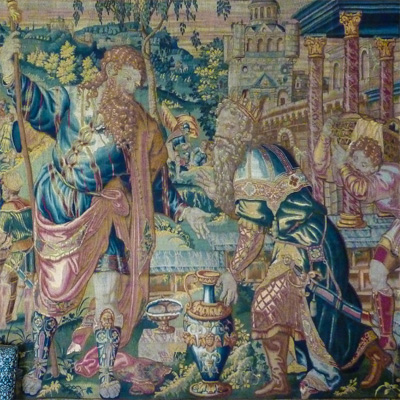
Gideon Tapestries. So the road trip begins with a visit to Hardwick Hall in Derbyshire, an architecturally significant and leading example of the Elizabethan prodigy house. Built between 1590 and 1597 for the formidable Bess of Hardwick, it was designed by the architect Robert Smythson, an exponent of the early Renaissance style of architecture and renown for its brave use of glass. Hardwick also houses the Gideon Tapestries. The images below capture the intense and detailed workmanship of the tapestries used to line the walls of the stairwell and main hall and are themselves a virtual addition the enclosed space.