
Posted on

100416 – Affirmation – National Gallery, London

​100416 – Affirmation – National Gallery, London > words

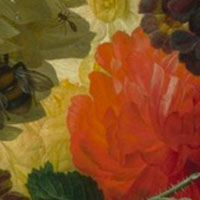
Amsterdam had entered its Golden Age by the 1600’s with control over the East Indies Trade, a period that would last for two centuries. Capitol moved from previously Spanish dominated merchants to the Dutch trading ports. Spain’s power had been diminished by lengthy wars with England. Europe was split Catholic/Protestant with the Catholics moving south as the Protestants moved North. Amsterdam attracted skilled tradesmen from a mixture of Protestant, Portuguese Jewish and French Huguenots escaping the persecuted Catholic countries and the Counter Reformation. Good infrastructure from canals and cheap energy from windmills and peat added to the growth. The Dutch East India Company, the first multi-national corporation dominated Asian trade and the spice routes bringing goods back to Holland before redistribution. On this Amsterdam was the convenient bottleneck for all this newly created liquidity. Science had also helped loosen the grips of the Catholic church and the individual began to enter a period of artistic self expression where previously all high art was religious. Modern sophisticated banking, finance and insurance grew to support the ever-growing trade. Trade was financed by shares sold on the first modern Stock Exchange and with this risk was diversified to the numerous shareholders. Speculation was rife driving up prices, Tulip Mania famously crashing in 1637. The Dutch also dominated Inter European trade via control of the Rhine. The Rhine entered the sea via Dutch ports and shipped goods in a two-way trade North/South from the Mediterranean countries to the Baltics. The Urban merchant class dominated Dutch society, with landed gentry and clergy having little influence. Calvinism established a liberal intellectual and religious tolerance and from this the sciences flourished as they were allowed the freedom to speculate and posture. 

So what did the Dutch spend their newfound wealth on? One could say self-affirmation, all of Europe had been dominated by the Church and predestined thought. There was a cultural and intellectual fight to break away from divine fate and to establish a realm for the scientific liberal, to establish the individual. The big “Who am I” was answered by identity and status consumables – or portraits and possessions. Showy wealth was frowned upon as a Catholic attribute. Lineage, earthly and heavenly, best exemplified by Louis XIV of the House of Bourbon as the Sun God with his ‘Divine Right of Kings’. A common problem when religion and law become one. Puritan reality replaces idolatry. Painters such as Vermeer and Rembrandt (portraits), Osias Bert and Snyder (Food), van Brussel and Bosschaert (flowers) expressed this. The ideal and Divine, Gods on clouds, the celestial vision, is replaced with dark backgrounds that focus the viewer on more humble subjects such as portraits, food and flowers. Each of these genres were very much used as an expression of wealth however humble the compositions may look today. 

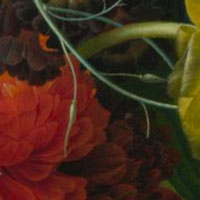
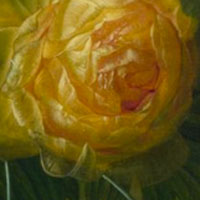
So here we are looking at paintings of flowers but trying to look through the eyes of wealthy 17th century Dutch merchants. When a Tulip bulb could sell for 10 times the annual salary of a skilled craftsman and as expensive as pepper (peperduur) was a common expression. All things shipped in from new found far foreign lands had huge value due to the related risks entailed in transportation and acquisition, spices and exotic flowers being no exception. So in many ways this is the equivalent of Dutch 17th century bling but in a language that today lacks relevant punch when the contemporary audience that has been exposed to the abundance of modern supermarkets or are blind due to the proliferation of the disposable digital image. One could retro-read a beautiful painting of exquisitely detailed flowers as representative of 200 years tyranny, power struggles and corruption but that would be a lengthy essay, perhaps for another day. Today we’ll just enjoy the skill of the artisans that could capture sunlight striking a shell, a petal or the iridescence on a fly’s wing.

The Surrogate Twin 
Posted on

270316 – Desire – Memories Of Rome

​270316 – Desire – Memories Of Rome > words

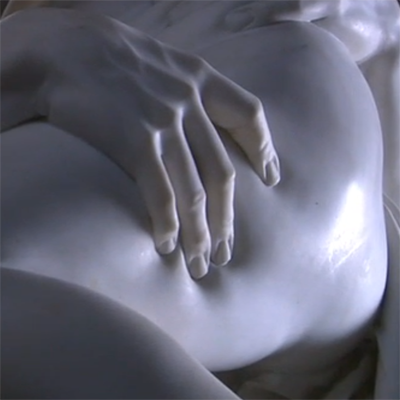
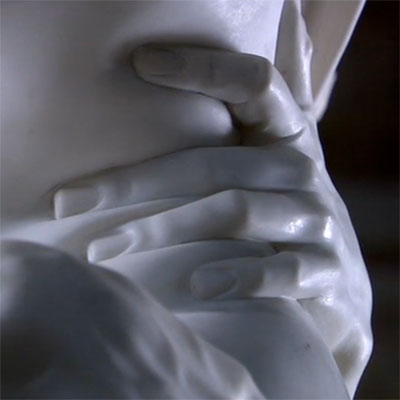
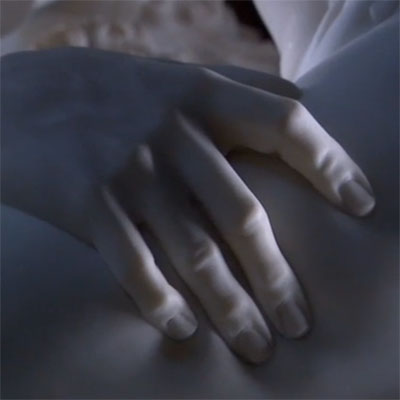
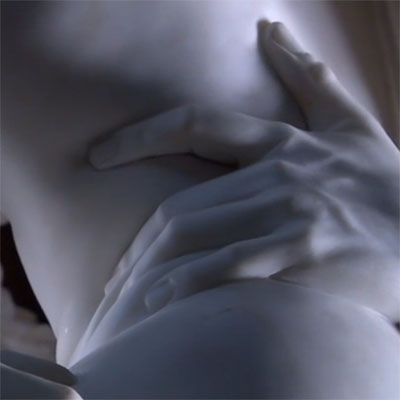
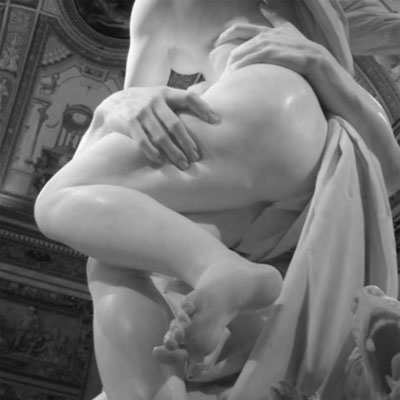
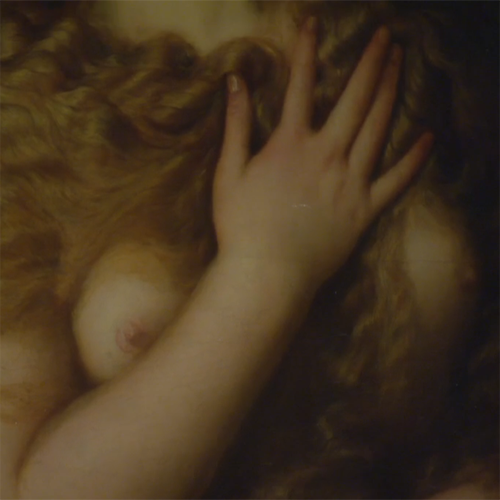
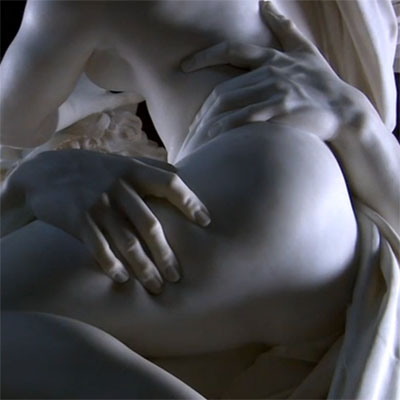
Desire is that uncontrollable lust for the unobtainable. Taken, captured, delicate and vulnerable all are expressed in this caress. Soft flesh is held firmly but it is not damaged or scratched. Desire wants to own and posses, it wants to protect and love. Desire wishes the union of both parties in a reciprocal totality and when this is not forth coming desire takes in denial. Denial drives the belief of conversion, that with time she will see things my way. Desire fuels the pursuit of happiness and the fulfilment of longing. 

Here Proserpina is captured by Pluto to be his queen of the Underworld. Proserpina is later returned back to earth but is tricked into having to revisit the Underworld for four months of every year. Upon each return the earth falls into winter. The 23 year old sculpture Gian Lorenzo Bernini captures the event in Carrera marble leaving no one in doubt of his extraordinary technical skill and artistic interpretation.

The Surrogate Twin 
Posted on

120316 – Botticelli Babies – V&A, London

120316 – Botticelli Babies – V&A, London > words

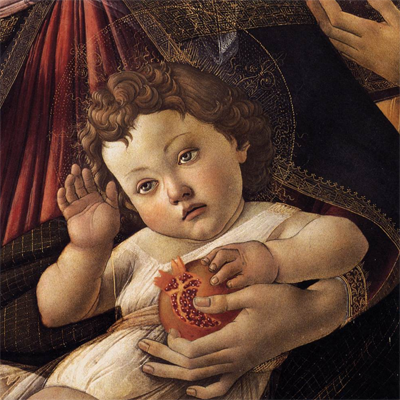
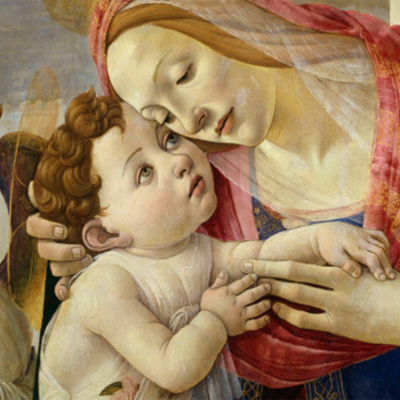
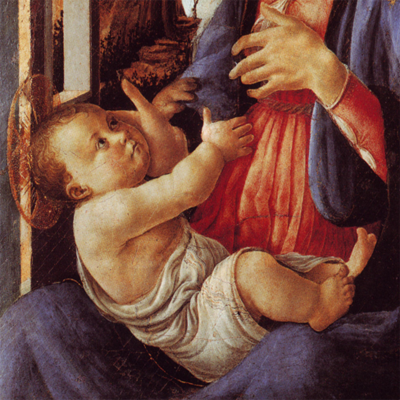
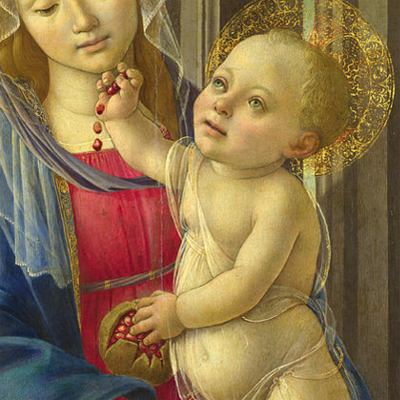
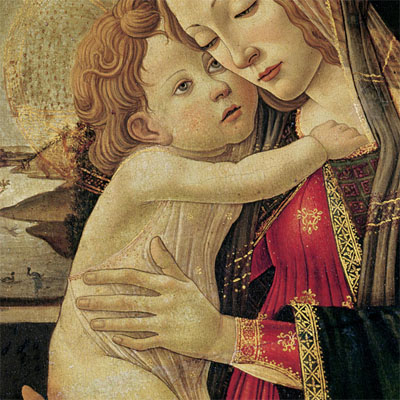
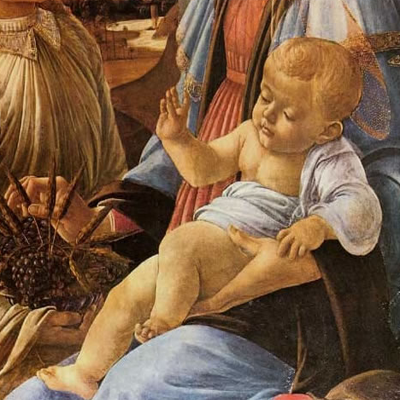
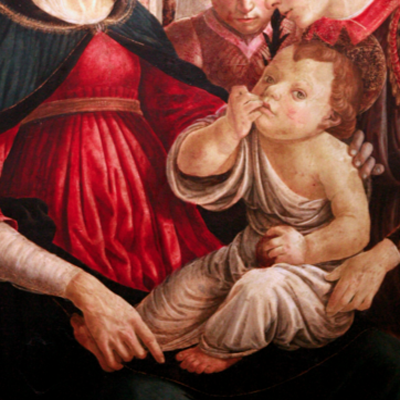
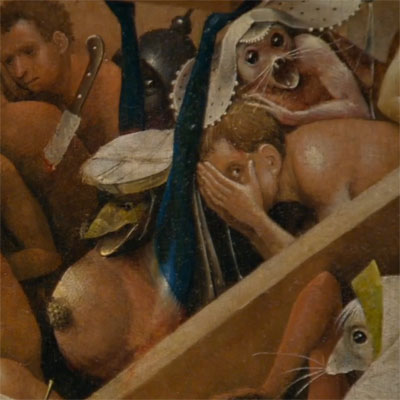
Excessive volumes of naked flesh fall in rolls. Fully inflated pneumatic legs and arms float out from the body to hang in mid air like helium filled sausages. Delicate and vulnerable topped with innocence and a hallo of gold. Kitsch, cute and cuddly when re-read de-contextualized by the museum and five hundred years of human history.

The Botticelli Re-Imagined exhibition has three parts the first gallery is Modern mixed medium. The second gallery is devoted to the Pre-Raphaelites and the Third to Botticelli. The exhibition has had some poor reviews but I think its well worth a visit. The Bill Viola moving Fresco will continue to be influential as we move forward to a time when augmented space is our new normality. Recommended Exhibition.

The Surrogate Twin 
Posted on

080316 – Sanctuary – Hieronymus Bosch

080316 – Sanctuary – Hieronymus Bosch > words

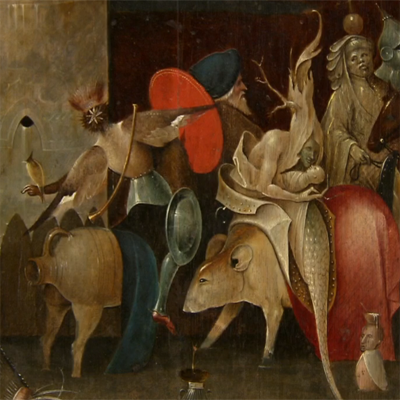
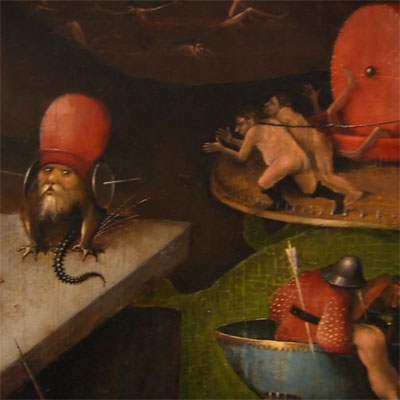
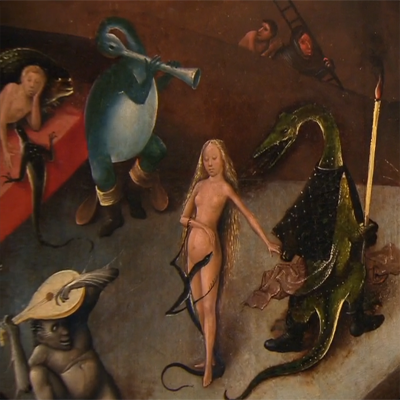
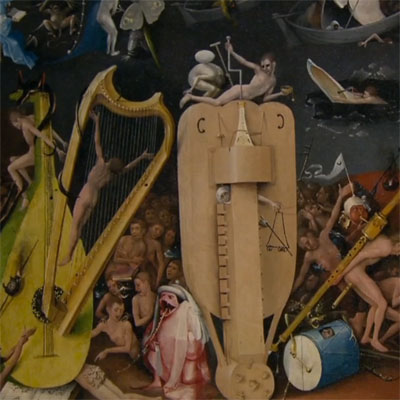
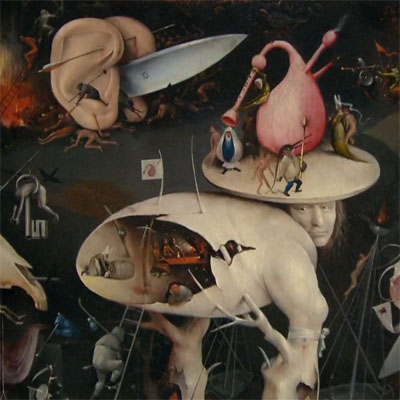
It is impossible to be impassive when confronted by the paintings of Hieronymus Bosch. The images within each painting are at once otherworldly and fantastical but slowly and surely they will eventually become disturbing. They are images created beyond the reach of the normal imagination, images of the possessed, images that question the realms of sanity, its boundaries and parameters. We cannot look at the paintings without trying to envision the man that created them. Trying to see the world through his eyes, understand his beliefs, his values, his rules or his concepts of reality. There are many good painters of the fantastical but their paintings are products of intellect and as such they can always be rationalized, explained and decoded. Imagination is an act of the intellect, it can be turned on and off and controlled The world of Bosch cannot be turned off. It is a constant embedded in his very being. He eats with it, sleeps with it, it watches him and waits for him. Bosch lived these paintings, they were his world, his reality, you can feel it, sense it in every tortured event painstakingly depicted upon the canvass. These events were experienced either in the conscience or the sub-conscience. The paintings are a diary of one mans beliefs and the pictures are read sequentially as a series of events over a period of time. Everything Bosch stood for is set out naked on the canvass, brutalised, afflicted, persecuted and punished. The paintings are a self-confession that haunts to this day and when viewed one questions the limits of ones own reality.

The Surrogate Twin
Posted on

010316 – Sensuality – Renaissance

010316 – Sensuality – Renaissance > words

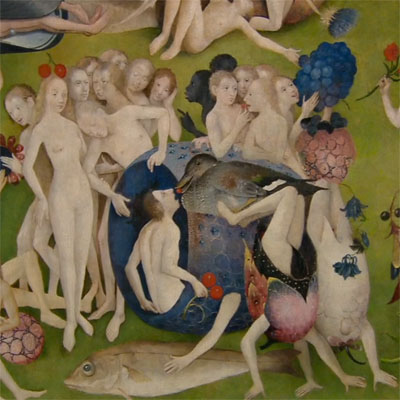
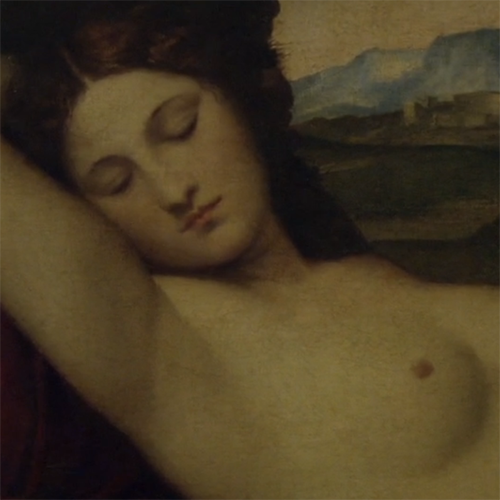
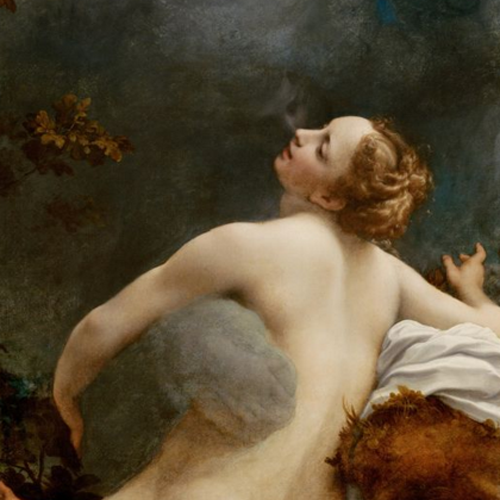
The Renaissance ideals of sensuality cover the canvasses of paintings throughout Venice. The paintings are rarely solely about beautiful women but are paintings about voyeurism and desire. Whether the voyeur be depicted within the painting or the voyeur is the viewer of the canvas the voyeur is always present. Desire is an incomplete imagined emotion. Access to the object of desire is almost always denied, unless of course you are a master of disguise such as Zeus.

The Surrogate Twin
Posted on

010316 – Venetian Changeante – Renaissance

010316 – Venetian Changeante – Renaissance > words

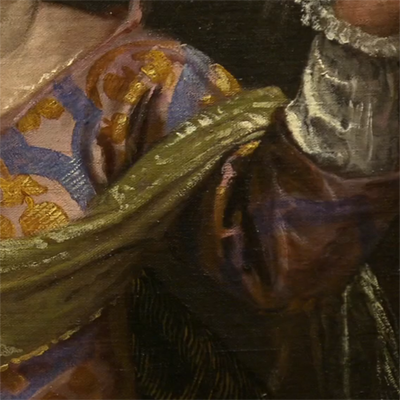
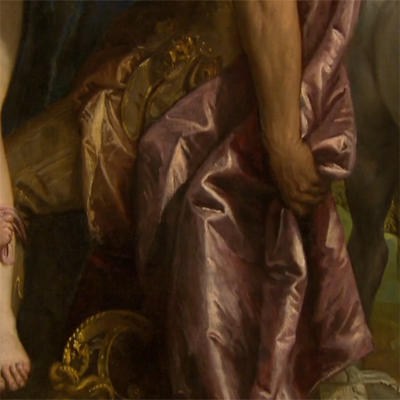
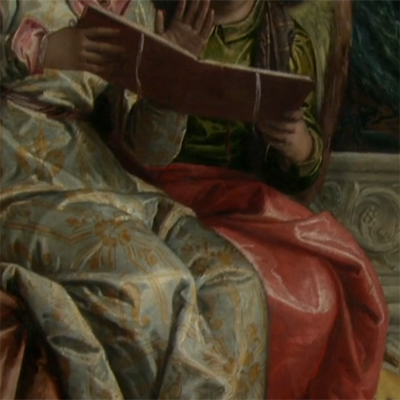
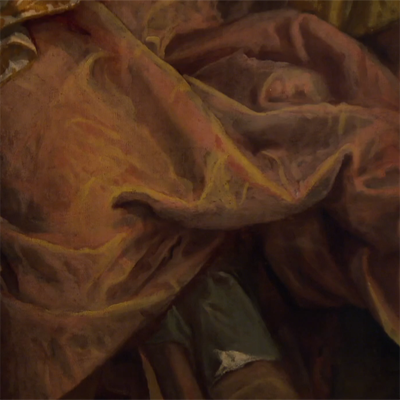
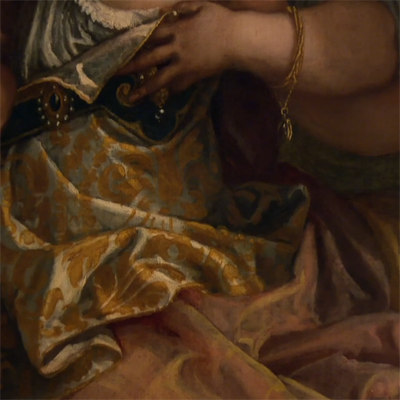
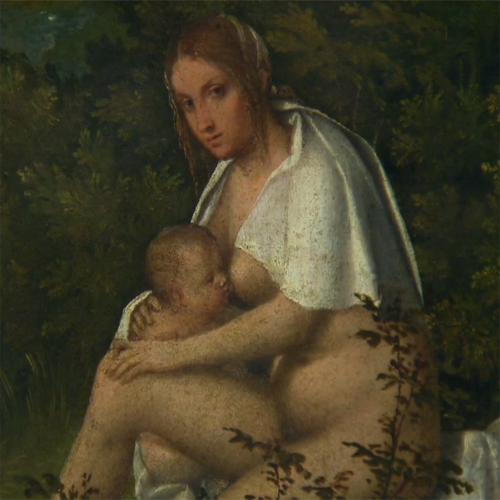
Silks, Satins and Damask were a major contributor to the economic wealth of the Venetians during the fifteenth and sixteenth centuries. Raw silk was imported via the Silk Road from Syria, Persia and Turkey and was dyed treated and woven in Venice and re-exported. Government policies and Guilds helped fund and protect the trade and allowed the industry to grow. The Venetian reputation for quality drove the growth with silks such as Seta Leale and Changeante being highly desirable. Here Changeante silks are shown painted by the master of cloth painting Paolo Veronese.

The Surrogate Twin
Posted on

250216 – Inkblots – Hauser & Wirth Gallery, London

250216 – Inkblots – Hauser & Wirth Gallery, London > words

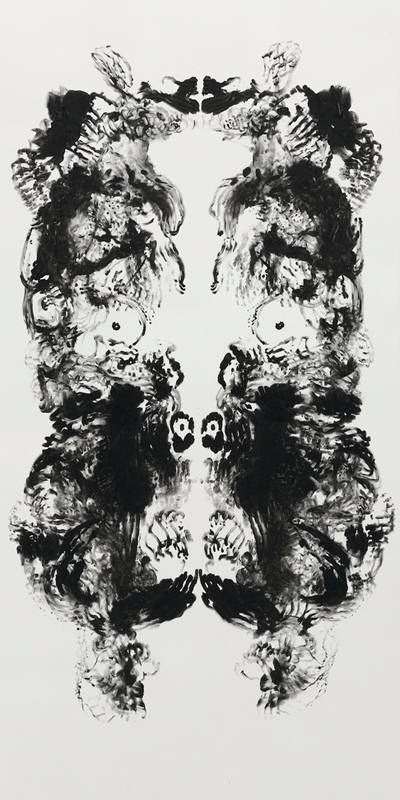
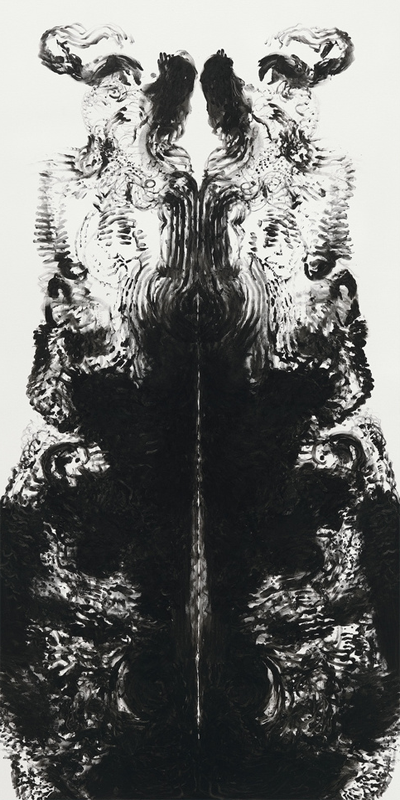
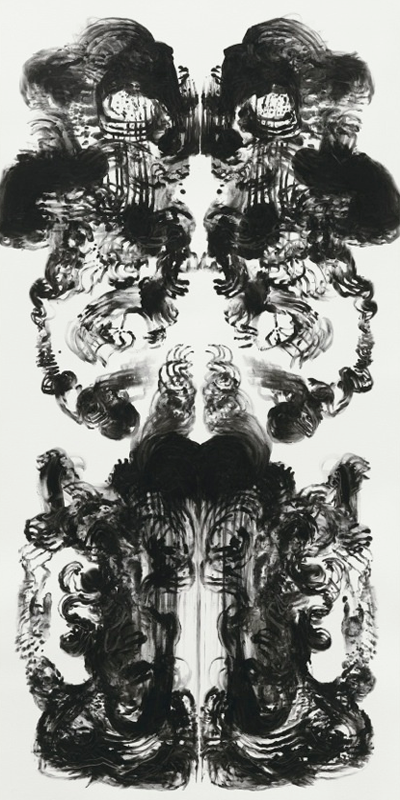
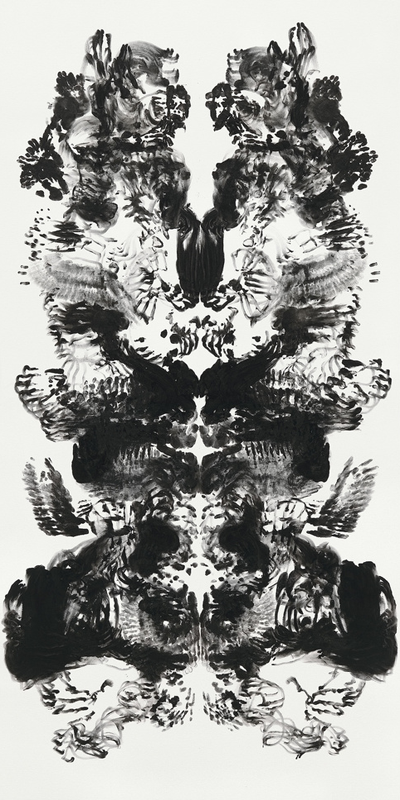
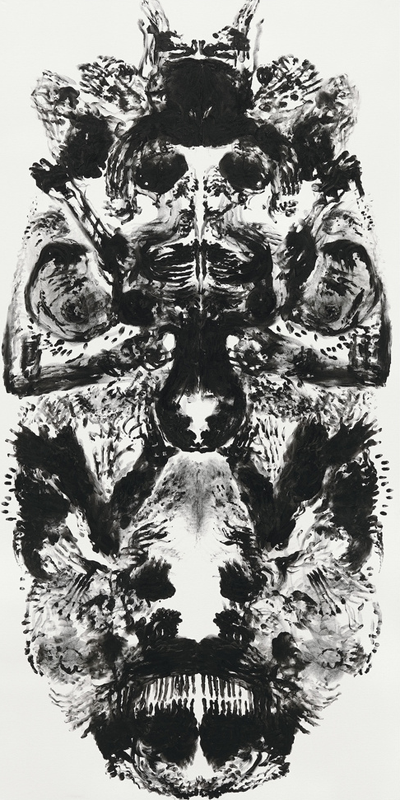
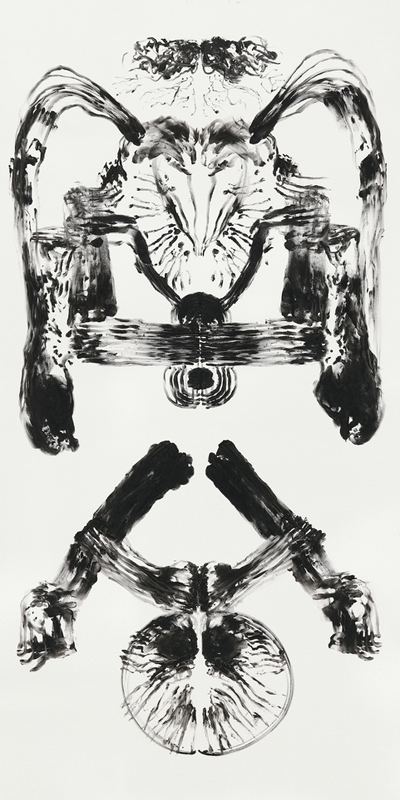
In the Rorschach test inkblots mirrored along an axis form an image that has no intended meaning. These are shown to the patient and they are asked to describe what they see. The patients character can be broadly assessed pending the description of what is seen in the pictures. At the Hauser & Wirth Gallery Mark Wallinger does the same at a giant scale. The prints are made using his body and hands and most are over three metres tall. The audience reads their own subjective interpretation of each work. Prints are black on white.
Posted on

230216 – Grief – Niccolo dell’ Arca

230216 – Grief – Niccolo dell’ Arca > words

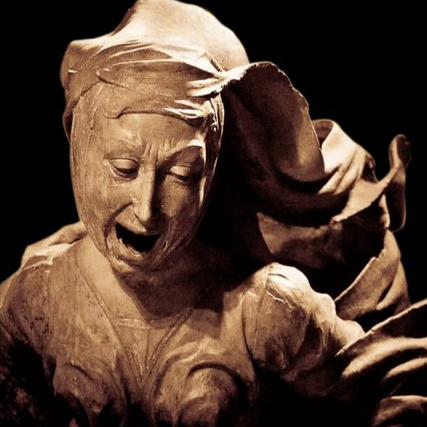
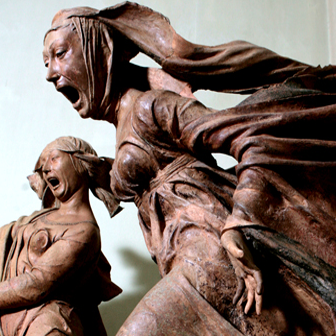
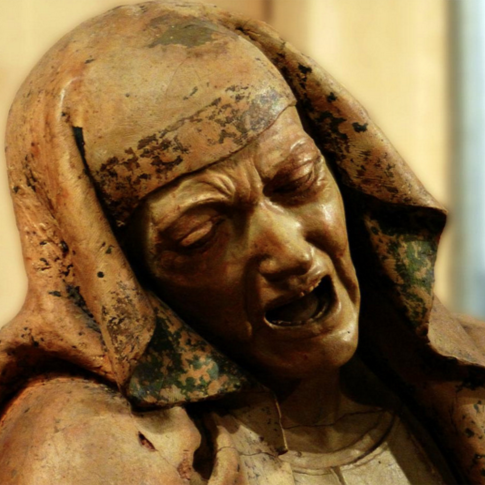
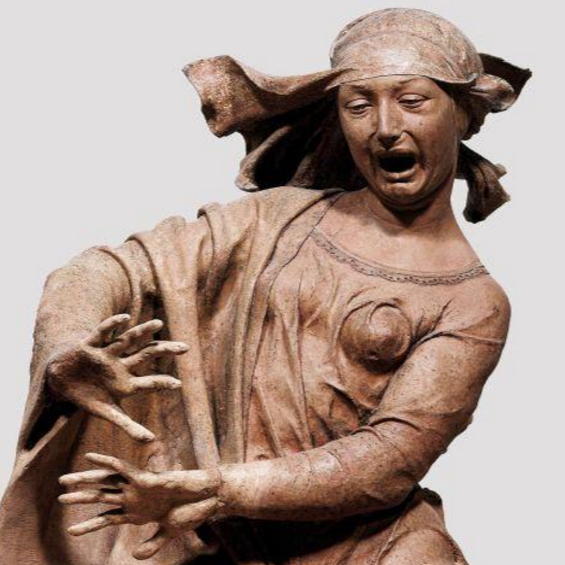
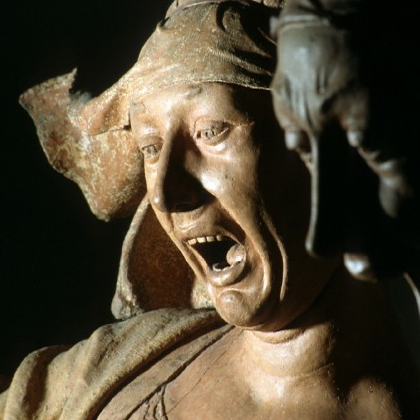
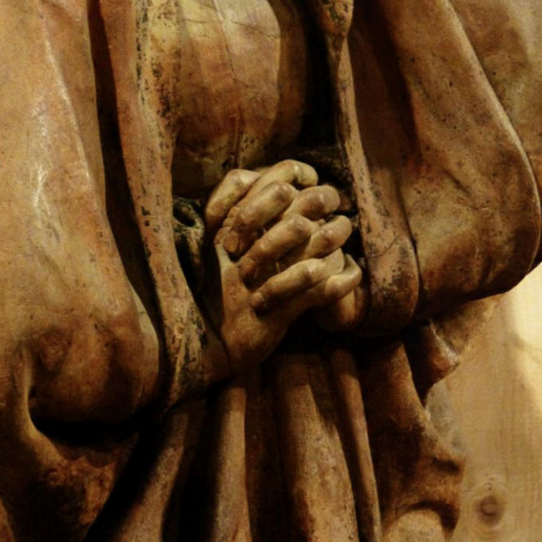
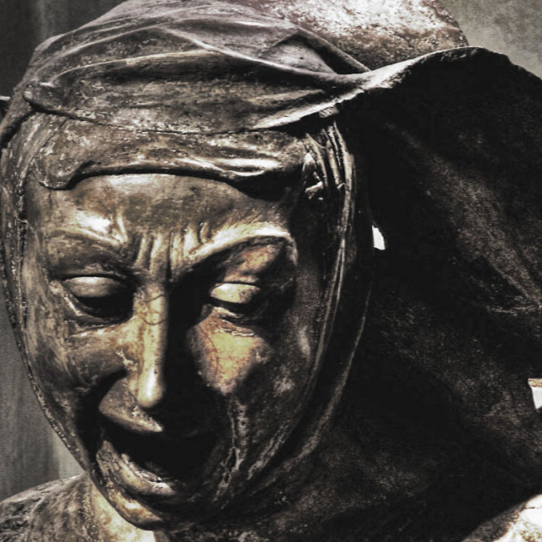
Grief as a furious transient energy passed from the subject and absorbed by his devotees. As if facing a storm of despair into which one must lean so as to not be blown aside. The energy transmitted by grief distorts the face, it whips hair and clothes wildly flailing all into its slip-stream. Ones hands are futile protection from its powers. Grief is the scream that deafens and stuns leaving one scarred, frozen, locked into the agony of that moment of realization when loss obliterates every other perception. Grief is unforgiving, it isolates and dismembers then throws the remains to the earth. Emotion imprisoned in the tortured fired clay of remorse.

Posted on

200216 – Delacroix – National Gallery, London

200216 – Delacroix – National Gallery, London > words

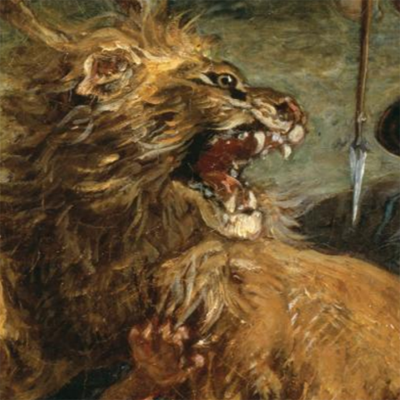
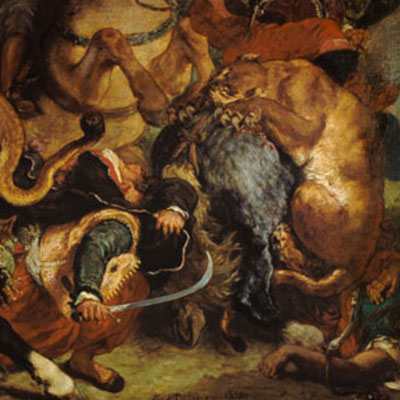
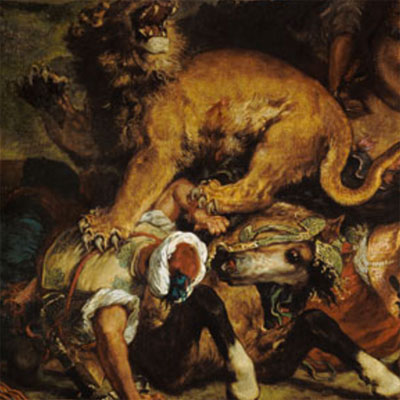
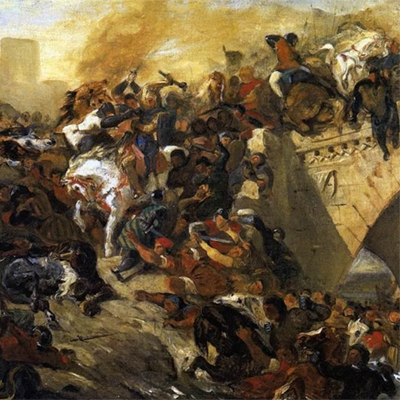
I had so been looking forward to this show but it was so disappointing but not through fault of the show but from my expectations of Delacroix. I was expecting huge scale and was met with domestic scaled pictures. So I’ll review the show that I’d hoped for.

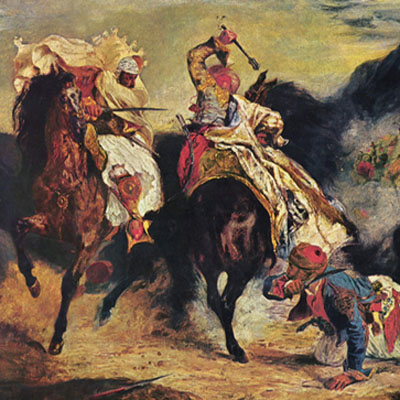
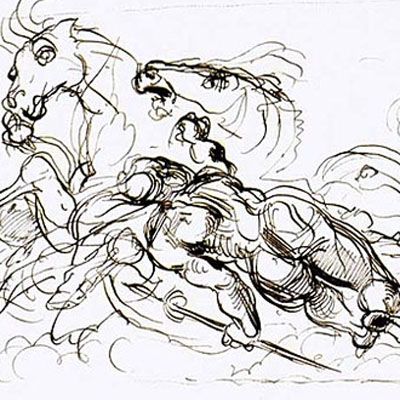
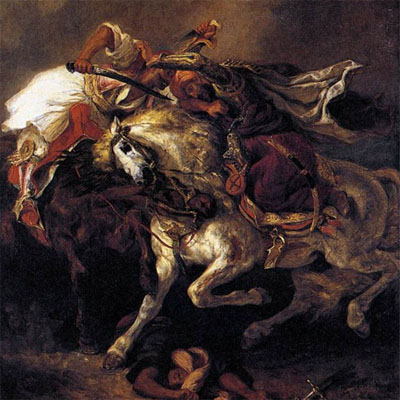
Dive into the swirling vortex of flesh and fear. To smell the gun-smoke and blood, to hear the roar of the cannon, the charge of hooves, the cries of the doomed all captured in oils in a dynamic cohesive mass. Nostrils flared, the glint of a sabre in the horses eye, the fright of a lion, the adrenalin, the sweat with banners flying, polished brass, bright tunics rage against the Muslim warriors dressed in silks, jewels and turbans

His brow was bent, his eye was glazed; He raised his arm, and fiercely raised, And sternly shook his hand on high, As doubting to return or fly; Impatient of his flight delay’d, Here loud his raven charger neigh’d — Down glanced that hand, and grasp’d his blade; That sound had burst his waking dream, As Slumber starts at owlet’s scream, The spur hath lanced his courser’s sides; Away, away, for life he rides:    Byron- Giaour.