Posted on

​​​161116 – Fruit Pastels – c09/1991 London

​​​161116 – Fruit Pastels – c09/1991 London > words

Fruit Pastels – When will my apple taste as good as my apple drink? 

Aspirational Living and the Predator House Project September 1991.

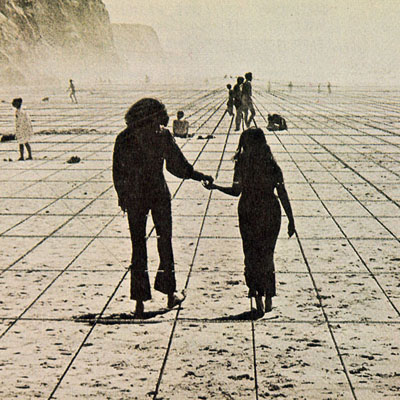
In the early 1970’s we ate Instant Whip in day glow bright orange, greens and pinks, we wore platform shoes finished in metal-flake purple fauve leather with snakeskin toes and heart shaped buckles, we listened to Glam Rock and lengthy concept albums. The Bounty bar arrived from its tropical island delivered by a dusky mistress of the sun. A would be Bond risks life and limb to transport his gift of Milk Tray. Manikin cigars, those that make ‘you’ the real man, are hand rolled by a husky voiced exotic Amazonian, she’s curved with ample everything. We dressed as genderless rock stars, we jacked up our cars, added false bonnet scoops and spoilers, covered our seats in leopard print. We were sold the dream of this aspirational life and we soaked it up as the reality of the 1970’s with its poverty, unemployment and endless strikes was just so bad. The 1970’s were escapist and fake, a dreamland created for a society that needed diversion from dissolution. This aspirational life became our reality. As our presold dream always outperformed our real life we soon began converting reality to daydream and in this, and only in this space, could we bare to exist. Club life, football life, fanzines and groupies anything to replace the soulless decanting of the nine to five. The TV screen became the primary habitable space. Decades on the separation between reality and imagined lifestyle continues to grow, it blurs and strengthens until the line between real and unreal is so normalised that we all now live suspended within the dream hoping for a better tomorrow.

How can we exist in a world where our dreams by far exceed our obtainable reality without falling under the blanket of depression weighed heavy by our own obvious inadequacies. Our expectations are pre-set so high that life is now solitary as one is never quite able to meet the ideal, perfect in everyway partner, the one we were supposed to meet through our TV ad compatible surrogate.

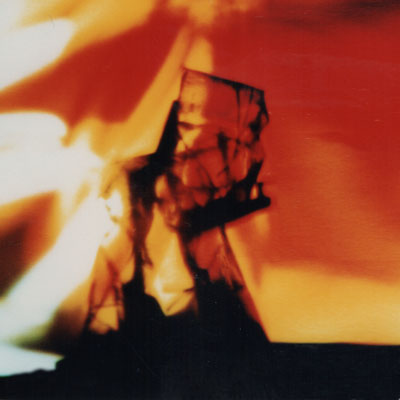
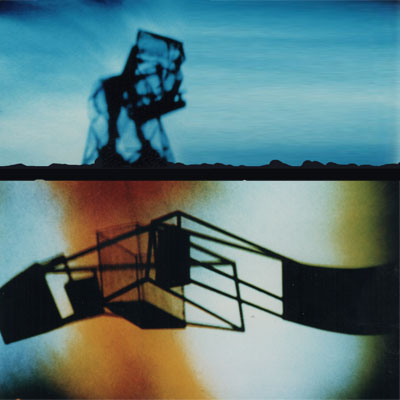
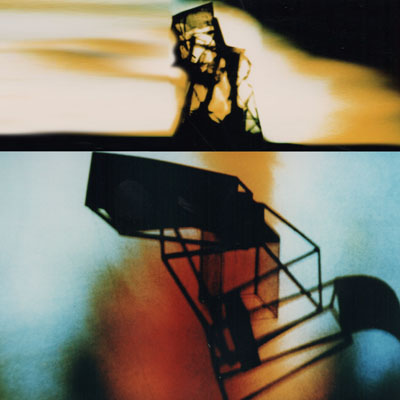
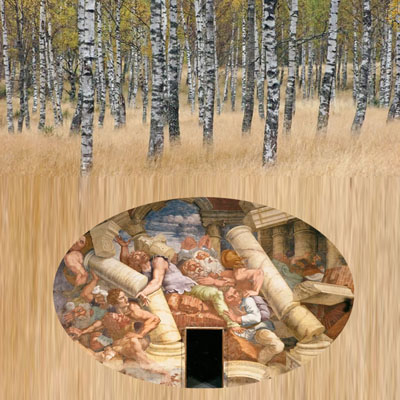
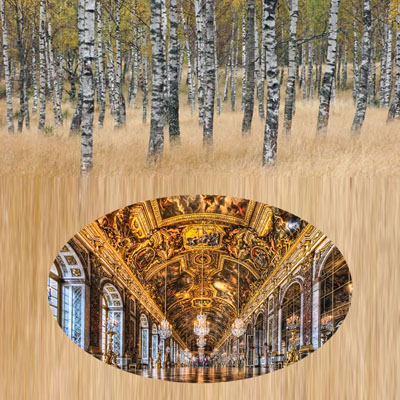
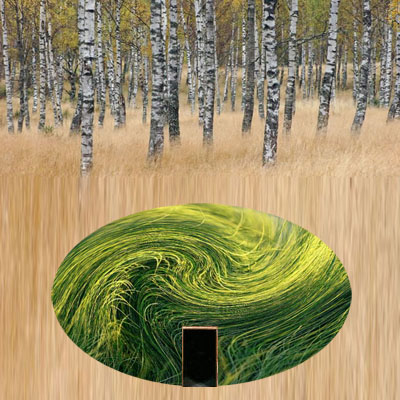
Predator House explored the potential of these issues to create a house for those that enjoy being marginalised and disenfranchised. With the adaptive camouflage of the chameleons skin, LEDs in the glass mimic the surroundings. Above ground the house does its best to be invisible, an anonymous wallflower, the critic in the corner, the shadow. The outside world is viewed at a distance the house offers a safe arms length third party lifestyle. The Predator House hides as a Rene Magritte’s Le Blanc-Seing, a visual static breakdown, a glitch in the system, the home of a misplaced, misled, misfit. The space above ground, the glasshouse, has no intent to be lived in but instead is the guise of the voyeur, a hidden space from where reality can be viewed. It is below ground where one inhabits ones preferred well-edited, non-confrontational, aspirational realities, the daydreams. Space here is in constant flux, it adapts to ones moods, it can be pre-set and predetermined, its intensity can be turned up and down as wished, just as one sets mood and volume for music. The space could be left on constant shuffle or instead explore a pre-chosen compilation based around the theme of happy yellow or whatever one wishes. The virtual plan of the below ground far exceeds its physical enclosure as it can be both room or landscape, a country walk or a comfy sofa. The space is a virtual space that exists in real space-time blurring the edges of what’s real and imaginary. It is the celebrity space I want and not the mildewed, rental, rat infested, HMO micro pad, four jumpers and a set of thermals, space that I got.

See also 211216 The Electronic Gallery

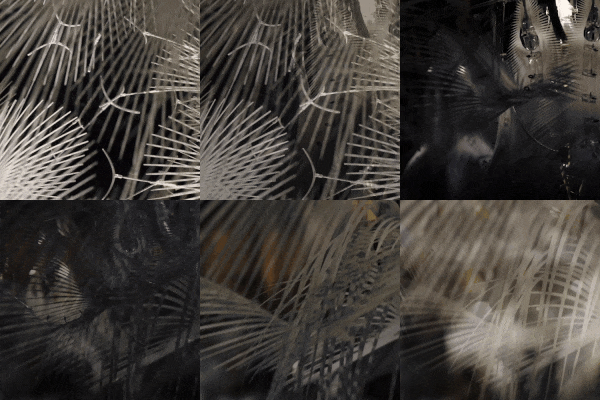
Images from left to right.  1-3 Predator House; 4-6 below ground Synthetic Space, 7 Rene Magritte’s Le Blanc-Seing.

The Surrogate Twin

Posted on

​071116 – Composites – London

​071116 – Composites – London > words

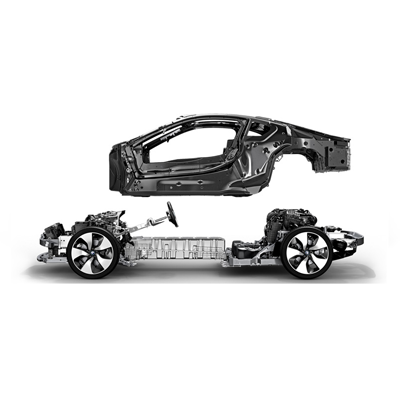
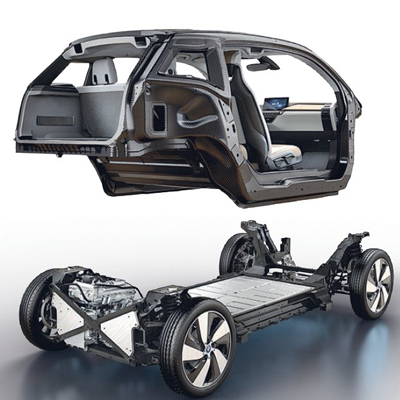
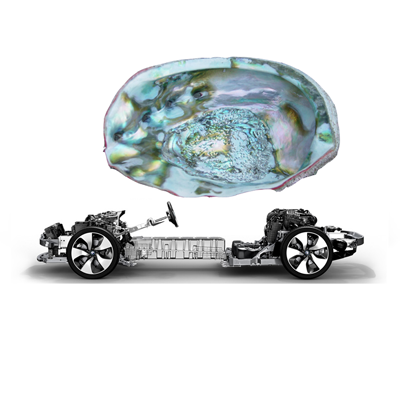
BMW i3 i8

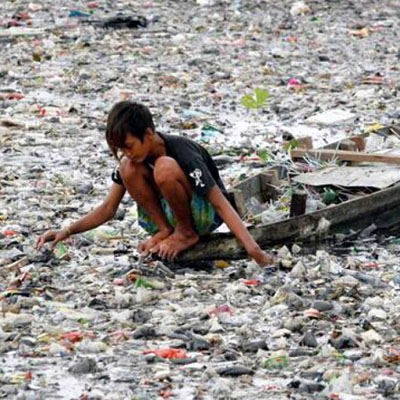
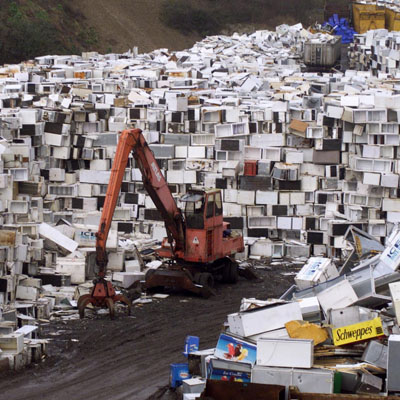
A recent article in the FT praised the uptake of composites, especially carbon fibre, as a material to be used for mass-produced cars. Both the author and reader’s comments were enthusiastic for the wide spread application of composites for mass production. The planet supports 8 billion people and is already carrying at least 3 billion, possibly 6 billion, too many. Each of these would like a car. Many in the west own more than one. It is estimated that the Chinese alone will buy 40 million cars by 2020. Cars are multiple reoccurring buys, car manufacturers benefit from maximising this reoccurring purchase. Vehicle obsolescence increases the number of reoccurring purchases. Obsolescence in the car industry can be as fickle as colour, style or the addition of some unnecessary new electronic gadget. Style generated obsolescence is key to mass-market consumerism. The landfill sites are full, the oceans adrift with acres of discarded plastic. When the carbon fibre car body replaces the plastic drink bottle where will we throw the waste? The FT article, the author and all of the readers comments were oblivious to the fact that man pollutes by the decisions he makes at the point of manufacture.

To cut car emissions manufacturers are keen to reduce a cars weight. Electric cars are heavy due to the batteries carried. Hybrid cars are heavier still as they carry two power sources, battery packs and fuel storage. This additional weight is partially offset by reduction in body shell weight and carbon fibre is a proposed alternative. The BMW i3 and i8 are beautiful and sophisticated pieces of engineering design. They have the wow factor that will provide a short-term lift in sales but they are simultaneously examples of irresponsible industrial design at a corporate level.

Carbon Fibre

Carbon fibre is a unique material. Its strength to weight ratio is many multiples higher than steel or aluminium. It can be moulded into many complex forms essential for efficiently distributing loads through highly stressed junctions and intersections. Carbon fibre’s place in Formula One or the aircraft industry is well earned but as a medium of mass production it is an inappropriate material.

Carbon fibre consumes 14 times the amount of energy required to make steel. More than 90% of the energy needed to manufacture carbon fibre composites is consumed in making the carbon fibre itself. 90% of carbon fibre manufacture is derived from polyacrylonitrile made from acrylonitrile, which is derived from the commodity chemicals propylene and ammonia. The process of making carbon fibre requires multiple ovens used in sequence. The first two ovens are at temperatures of 200-300 degrees C but carbonization is achieved by putting the fibres through another series of ovens ranging in temperatures from 700-800 degrees C, then 1200-1500 degrees C and finally 3450-4500 degrees C. Alongside the energy intensive heat sequence is the chemical washing, doping, catalyst forming, cleaning this with acids and ammonia. Some of the chemicals used throughout the process include dimethyl sulfoxide, dimethyl acetamide or dimethyl formamide, zinc chloride and rhodan salt, itaconic acid, sulfur dioxide acid, sulfuric acid or methylacrylic acid. These are all highly toxic pollutants that the FT article is promoting if carbon fibre is mass-produced.

At end of use carbon fibre is even more problematic as it does not biodegrade or photodegrade. – EVER – it will sit in landfill for millenniums. Carbon fibre cannot in anyway be usefully recycled. There are two ways to re-use carbon fibre one of which involves burning without oxygen (pyrolysis), but this is an intensive use of energy and produces a brittle material. The second is shredding and reusing the by-product as fill or aggregate. In both scenarios it is more expensive to recycle carbon fibre than produce it from virgin material and the recycled material is severely downgraded and has very little use, quality or properties of the original composite material.

Molluscs

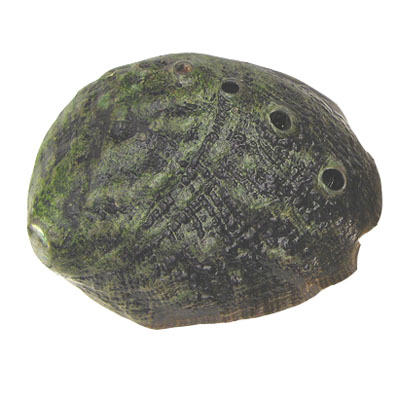
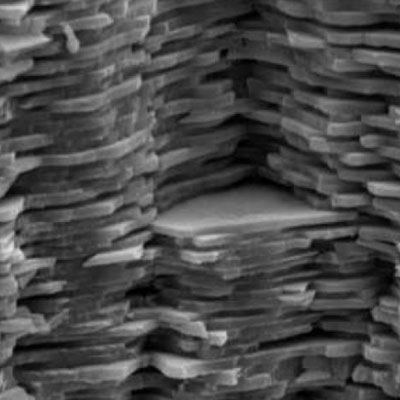
Abalone is the name of a group of large sea snails or molluscs. The shell is made of nacre a composite. Nacre is composed of hexagon platelets of aragonite, calcium carbonate (chalk) glued together with proteins and polysaccharides (sugars) to form elastic biopolymers. Abalone is twice as strong as any known ceramic. Its layered composite structure prevents shearing and provides compressive and tensile strength. This shell material deforms under stress and behaves like a metal. Abalone is an accumulative secreted medium a process similar to 3D printing and this technique is perfect for fabricating complex forms. 

Nacre like all of nature’s products is manufactured at ambient temperature using readily available non life threatening materials, here sugar and chalk. 

Nature has an ordered hierarchical structure, weaving from the atomic level to the macroscopic. This repetition is applied to all scales and provides the materials unique strength.

Structures built from a molecular level up have an inherent logic that dictates what bonds to what and how. This forms a pre-coded system of self-assembly.

This coding allows nature to work with templates that are site and condition specific. It builds exactly what it needs to the specification needed. There is no waste of either time or material.

At the end of its life the Abalone returns all it has used back to the sea. Its production cycle is fully cradle to cradle.

Material scientists are still unable to replicate the process of growing perfect crystalline structures and even further away from them being applied to mass production but the direction of future production is clear. The complex forms that can be constructed from secreted natural mediums will be far superior to processed sheet materials or toxic chemical moulds.

Aluminium

Aluminium is approximately 5 times more energy intensive than steel to produce although this only adds 15% to the cost of production over steel. Car manufacturing in aluminium requires additional tooling with increased complexity throughout the production process and this adds a total of 60%, including raw material production, over the cost of producing steel cars. However aluminium is 100% recyclable, it does not downgrade through the recycling process and uses 95% less energy to recycle than to produce from bauxite. Aluminium also weighs a third of steel. Complex shell moulding and bonding techniques can provide all of the protection and crumple zones required in a modern car. Aluminium can also be 3D printed to create complex crumple zones. There are many advantages in using aluminium for mass production including, availability, lightweight, corrosion resistance and the ability to recycle without downgrading. The additional cost of aluminium over steel is offset by efficient life cycle use and as aluminium an inherent high raw commodity value at the point of recycling.

Until we are able to understand how to build cars in a similar way that nature constructs the mollusc, from the molecular level up all at ambient temperature, aluminium is the transition medium of choice to be used for lighter mass produced cars just as gas is the transition medium as we move from coal to solar.

The Surrogate Twin. 

Posted on

191016 – AI.viation – London

191016 – AI.viation – London > words

Mans obsession with flight goes back millennium from the mythological Icarus who unfortunately flew too near to the sun, to the flying machines of Leonardo Da Vinci. The Montgolfier Brothers first took to the skies in a hot air balloon in 1785 and the first successful parachute jump was made by Jacques Garnerin in 1797. These were men who’s ideas were ahead of their times and ahead of the capabilities of available technology. At the turn of the twentieth century technology had caught up and the ascent to flight was tackled in earnest.

Many early flying machines were driven by little more than the belief in an idea. There were those that flapped, beat, whisked and scooped at the air hoping to gain lift. Many a full size craft were built too quickly following a sketch with almost no development testing and brave men died trying to prove their invention. Early on two approaches developed scientifically, one from box kites and the other from gliders. The box kite approach culminated in Alberto Santos Dumont’s tail first box kite of 1906. The glider approach rigorously researched by the Wright Brothers with first flight achieved in 1903. Some of the early flying machines have an exquisite beauty and fragility being as delicate as a dragonfly wing. 

The work of the Wright Brothers shows the clarity of their problem solving technique and is a lesson in strategy for all designers. Aspects of flight are isolated and first resolved independently, slowly and methodically and over time each component is then assembled into a working whole, a total aircraft. There are four main aspects that are tackled scientifically. Lift, pitch, roll and yaw. Early work focussed on lift with flying glider wings over Kitty Hawk beach. The beach had constant winds and these would aid the experiments. A bi-wing tethered to the ground hangs motionless in the air as wind moves through it. Once the understanding of lift had been accomplished the control over each of the three axis of movement was undertaken. A front rudder was developed to control pitch, a rear tail to control yaw and wing warping to control roll. 

The design inspiration for control of roll famously comes to Wilbur Wright whilst selling a bike inner tube in the brother’s bike store. As the inner tube was taken from the box Wilber notice that by holding the end corners of the box on opposing diagonals he could squeeze and twist the length of the box. On a bi-plane a similar technique could be used to wing warp and create roll. To test the idea the Wright Brothers built a bi-winged model glider with a short stabilising tail. By attaching strings to the wing tips top and bottom they could warp the wings and roll the craft from left to right. The Wright Brothers understood the concepts of the centre of gravity and balance, moving the front rudder, responsible for pitch. If too near to the main wings this made the craft too responsive and when further away less responsive but more stable. This would have been very similar to their work on bicycles, for example when shortening or lengthening the front forks with regard to steering. The Wright Brothers built wind tunnels and studied the effects of moving small weights across a frame. They made small incremental changes to their designs and tested and recorded the consequences of each. The work was hands on intuitive and methodically logged and appraised. This approach formed the foundation for understanding controlled flight.

It is interesting to note the conceptual simplicity of the Wright Brothers approach to flight and of The Wright Flyer of 1903. This is that the plane is a glider with an engine and that flight is achieved with the engine pushing or pulling the glider through the air in one direction, forwards. The plane is not a humming bird, a bat, a falcon or a dragonfly and has none of the manoeuvrability of any of these. This conceptual simplicity of a glider with an engine is still very much relevant today and covers most aircraft. The skills of the humming bird, bat, falcon or a dragonfly are still beyond our technology but recent experiments with computer controlled drone flight should soon be transferable to responsive aircraft. With recent advances in robotics and AI, vertical take off and landing (VTOL) craft that are emissions free, autonomous, computer controlled and have a radically simplified interface, may soon be an option for the everyday commute. 

Of all of mans great technological achievements from the invention of the wheel onwards few had the impact of mans conquest of the sky. Flight shrunk the world by linking isolated cultures, opened up new trade routes and added another horrific dimension to warfare. The very first flying machines were only achieved one lifetime ago. In 1903 Wilbur and Orville Wright flew just over 36m in 12 seconds at a speed of 10.9 km per hour, whilst by 1976 the record aircraft speed had increased to 3530 km per hour and manned rocket speed to 8281 km per hour. 

The exponential curve of mans technological progress is well known but needs to be forever re-quantified to give context to the ever increasing speed of change. At ten million years ago man first uses tools, he learns to control fire 1-2 million years ago, he first wears clothes around 50000 years ago, begins agriculture 11000 years ago, first uses iron 6000 years ago, invents the wheel 5500 years ago, invents paper 2000 years ago, invents gunpowder 1100 years ago, eyeglasses 1000 years ago, printing 500 years ago, telescopes, mechanised farming, steam engines, all arrive 300 years ago, electricity, radio, food preservation, early medicine, 200 years ago. Mass produced cars, washing machines, TVs, refrigerators 90 years ago, nuclear power 70 years ago, satellites, lasers and computers 50 years ago, CD’s, mp3s and the world wide web 30 years ago, cell phones and touch screens 10 years ago. 

From the point where man first used tools it took a further 10 million years just to learn to get dressed. Technological development was graphically almost horizontal for a further 50000 years with most of mans technical innovation happening in the last 100 years. This is the Law of Accelerating Returns. The speed of change has left our social and political systems behind, our education systems are woefully inadequate and we are all ill prepared for what is about to happen next with the coming of AI (Artificial Intelligence). Every innovation that man has made to date has been a tool that he could control to carry out a specific task whether that has been a flint axe, an aircraft, a computer or new medicinal drugs. This is about to change.

Mans closest evolutionary cousin is the chimpanzee. On equal weight terms the chimpanzee is twice as strong as a human. The only reason that man dominates chimpanzees is due to his superior intellect. This intellect has allowed man to become the dominant species on the planet. With the invention of AI man will build a self-learning silicon based machine that will be his intellectual superior. This will be the first tool that man has built that will have the ability to supersede his own knowledge. It will also be the first time that mankind has not been the superior intellect on this planet. 

Technological innovation is driven by communication. The invention of the printing press in the fifteenth century had minimal effect on mankind as the distribution and understanding of knowledge was limited. It was not until the twentieth century with the inventions of flight, TV and telephone that the distribution of knowledge and the reciprocal progress in technological invention took off.

Sci-Fi’s depiction of the future provides interesting analogies. The character Iron Man, from the films based on the Marvel comics, designs his new inventions through polite conversation with J.A.R.V.I.S. his super AI computer. The superior intellect of Tony Stark (Iron Man) instructs the computer to perform certain tasks en route to designing some new innovation. It is a one sided dialogue between man and his servant the machine. In reality it is far more likely that Tony Stark would not be instructing J.A.R.V.I.S. but instead trying to keep up with J.A.R.V.I.S. Tony Stark would be asking what have you just done, can you explain that again, lets start from the beginning and please break it down into small steps so that my carbon based organic brain can comprehend. Pseudo science has often been inspired by the popular press, the sci-fi comics of yesteryear or the science fiction films of today. The difference is that the science fiction films today are so well academically researched and politically connected that many of their projections are very credible. J.A.R.V.I.S. as trusted ally will always be a subject of conjecture.

The popular conception of AI is of something in human form such as the Terminator, Ex-Machina or the robots of Jonathan Nolan’s Westworld. Mankind has spent much of the last 30 years developing and integrating the worldwide web. Over 40% of the planet can now wirelessly connect to the web with that figure rising to 75% in most of the developed world. We have spent the same amount of time creating a global and logistic world. The planet is run by systems and AI will be a system, a controlling network. As an innovation AI is no longer a prosthetic device, the tool as an extension of ourselves but instead due to the global net it is an extension of our relationships to all connected others. The cloud becomes a stream of shared consciousness.

There are three states of AI. 

ANI or Narrow AI. This has specific skills in one subject.

AGI or General AI. This has developed human equivalent skills across all subjects.

ASI or Super intelligent AI. This exceeds human intelligence.

Once AGI has been reached it will self learn and redesign itself at such speed that it would soon be way beyond the powers of human comprehension.

The world already runs numerous ANI systems, Google ‘Search’, Amazon ‘you also might like’, Facebook friends, Siri, numerous apps and chat bots, high frequency financial trading, logistics firms, management firms. ANI are used to increase efficiency, they generally lie dormant until asked to perform some specific task. ANI are already part of an intrinsic network within our world. AGI would quickly interconnect all of the existing ANI systems to make one whole controllable network, it would then use that data to self improve and develop. It is estimated that we will have full AGI by 2025 – 40, within nine to twenty four years. Reaching AGI is hard to forecast as development is exponential but once AGI is reached and all existing ANI system are absorbed they would then all be self learning and self improving systems. One estimate suggests that it will take a decade for a computer to reach the human equivalent of a four year old, another hour to be of Einstein’s equivalent and another hour and a half to be 200,000 times more intelligent than all humans. We still mistakenly think of the computer as a single object and of a smarter computer as a larger more powerful single object but that is not how an intelligent computer would allocate resources. ASI would split its learning tasks to numerous computers around the planet and collectively share that information as it grows creating a whole series of development and feedback loops. There is no finite limit known on the level of possible intelligence but what is certain is that this organisation will be an ecosystem and not a humanoid object. Mankind has never before confronted a superior intellect and no one can truly guess the outcome of that conversation. Conversations are based upon values and who can guess what values AI would hold? Even objectivity needs a starting premise.

At the beginning of this text the intent was to compare AI with our first explorations in flight but this now seems inappropriate. Anthropologically personal computers could be compared to flight, both came out of the garage workshop and yet had global life changing consequences; both open up new cultural exchanges whilst simultaneously shrinking the world; both evolved with incredible technological speed; both will be remembered as part of the list of key events that shaped mankind. AI moves way beyond this and is more comparable to the space exploration we have yet to undertake, a very large unknown indeed. What is similar to the days of early flight is that it is driven by lot of hope, belief, trust and blind faith and recalls the day man first stepped off of the cliff and into a head wind hoping to spend time with the birds. There is still a lot to learn from the slow incremental approach of the Wright Brothers where risk is minimised and each step recorded.

The commercialisation of the Internet over the last 20 years has seen a disproportional consolidation of wealth and power into the hands of an ever-decreasing minority. This same minority own the large R&D workshops developing AI. Whoever controls AI will also control all of the patents produced from AI including an increasing number of medical and biological patents. At the same time more and more jobs will be automated meaning wealth consolidation and wealth disparity will also move along an exponential trajectory adding further to existing social problems. 

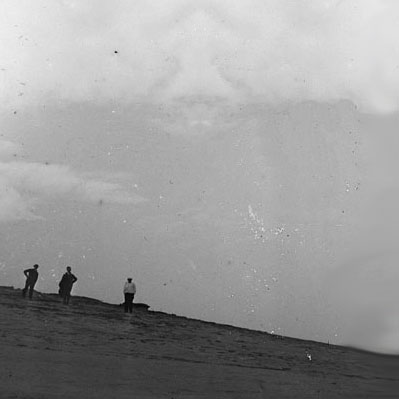
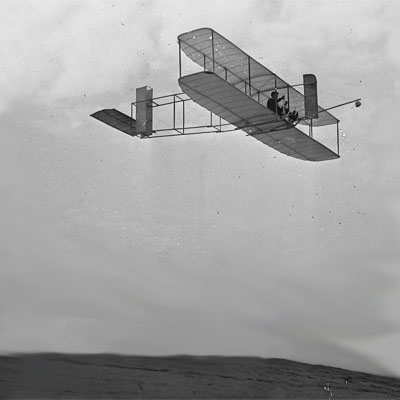
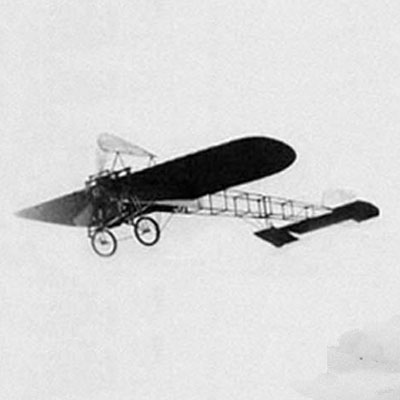
Images:The Wright Brothers test an early glider at Kitty Hawk beach, Louis Bieriot’s XI monoplane 1909.

The Surrogate Twin

Posted on

160916 – Dolly – London

​160916 – Dolly – London > words

I recently read a science fiction book in which the earth had been destroyed by a meteorite. Just before impact a Noah’s Ark’s library of species were sent into space where they were kept in a cryogenic state until the earth was ready for rehabilitation. The book covered multi millenniums of attempted regeneration of the earth with each successive attempt failing to maintain any permanence. In the most interesting of these attempts at terraform earth, man had evolved into a species without gender and with a collective memory. It was assumed that once man had prevented all illnesses including aging and was able to live for several hundred years biological need to reproduce would be lost. The laboratory provided new borns from cells preconditioned to resist known disease and illness. Over periods of evolutionary time the human race lost its gender and as there was increased similarity amongst new borns humans gained a collective memory. What was learnt by one human was immediately learnt by its closest relatives and offspring. This enabled humans to make collective decisions on issues of importance.

I once had a garden in which I grew a flowering hedge. I started with one plant and would take cuttings to grow the full hedge. The process was very quick and lacked any skill. The Hibiscus Rose of Sharon is a hardy and prolific plant. What I didn’t know at the time was that I had successfully performed cloning of a species at a 99% success rate on multiple occasions. The plants were clones as the male female reproductive route had been avoided and the DNA structure of each plant was genetically identical to its parent. I had created a hedge of perfect DNA cloned replicants. In horticulture, cloning is a natural form of reproduction and some species have used it for over fifty thousand years, blueberry plants and hazel trees replicate asexually with fragments breaking off of an individual plant to grow on and become clonal colonies. Humans have cultivated cloned plants for at least two millennia. Grapes and olives are known to have been cloned this way with their descendants still alive and producing today. Horticultural cloning raises few eyebrows but cloning of mammals is not met with as much acceptance.

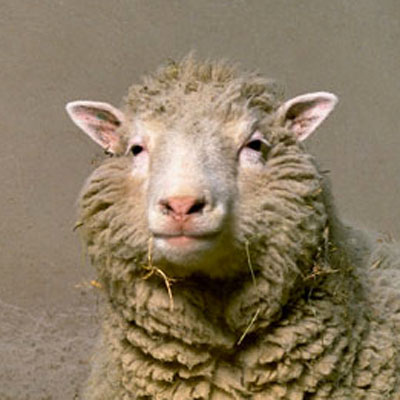
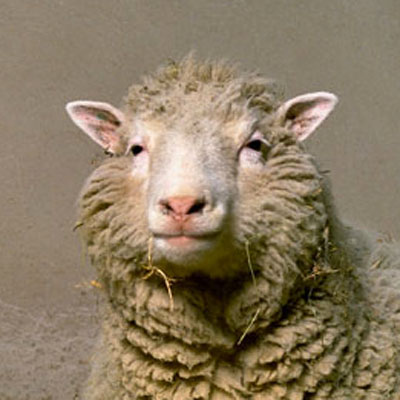
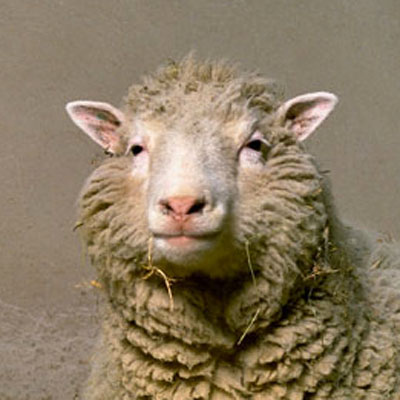
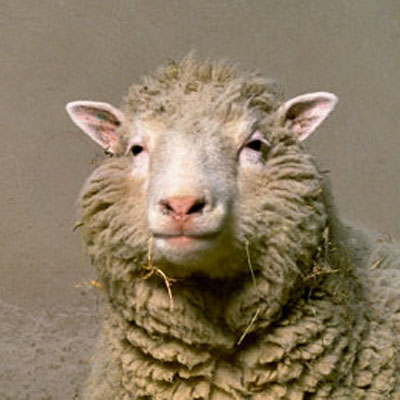
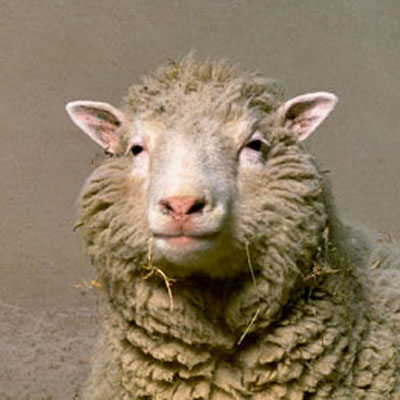
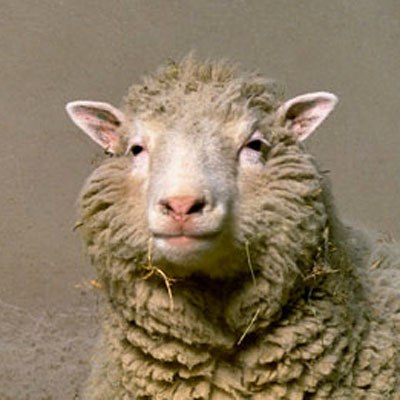
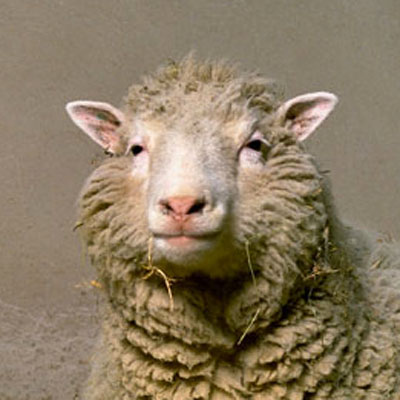
Code name 6LLS or Dolly the sheep was the first mammal cloned from an adult somatic cell. She was born on 05.07.1996 and had three mothers, one provided the egg, one the DNA and one carried the embryo. Dolly lived a fairly normal sheep life and went on to have many lambs through sexual reproduction. Dolly is the most famous cloned mammal as she was the first but many large mammals have been cloned since her birth. Dolly was the only success out of 277 attempts to clone a sheep back in 1996 however by 2016 the Korean company Sooam Biotech was producing 500 cloned embryos a day with an 80% plus success rate. It is now possible to clone mammals without the use of an embryo directly using pathenogenesis. In many Asian countries cloning livestock is an accepted way of maintaining food supply although the subject is still taboo in the west. So why is mammal cloning a taboo subject and what is holding up scientific progress in this area. Religion and conservatism play their parts but the main fear is not that of replication but that of improvement.

Cross breeding of plants (not strictly cloning) has existed for millennium, selective cross pollination to create stronger cereal crops has continued since we first ploughed a field. Larger, sweeter fruit, winter hardy vegetables, faster growing, two harvests a year crops, forever more diverse flowers, all accepted. Horses, dogs, cattle, canaries and numerous other mammals crossbred to produce stronger, faster, heavier, more colourful derivatives all also accepted. Genetically modified crops (GMC) are plants that have had their DNA engineered usually with emphasis on a particular trait, speed of growth, resistance to disease, nutrient profile and longevity post harvest etc. GMC’s again are met with resistance and yet in the US 93% plus of all cotton, soya beans and corn have been genetically modified. Genetically modified mammals are again taboo and are mainly still laboratory experiments.

The concept of cloning mammals and that of genetically modified mammals cannot be separated and are the obvious stepping-stone to the creation of cloned humans. There have been numerous films about human cloning and most adhere to the following themes. The cloned workforce or army used for those unwanted jobs like asteroid mining, intergalactic wars and the like. In these the clones usually rise up with intent to destroy the human race although this is subverted in the films Moon and Oblivion. Another genre would be that people are cloned for spare parts, the film Never Let Me Go is a disturbing version of this type. Lost lovers have been cloned as in the film The Womb, Spies have been cloned the film Imposter comes to mind. The moral dilemma of ‘is a clone human’ is often tackled, the film The Island as example. The eugenics of Hitler’s Master Race or The Brave New World of Aldous Huxley adds that touch of fear where man plays god as controller and dictator. The film Gattaca offers a modern interpretation upon this theme and this interpretation may be near to the eventual development of human cloning.

We all wish to be better than we are, to have better health, a higher IQ, increased longevity. When the human DNA sequence is fully understood and can be accurately engineered the market for these products will be considerable. Who would leave to chance through natural birth health conditions that could be removed from the reproduction process? Those that could afford to would immediately buy the best of everything and there is the first dilemma that access to capital has an evolutionary consequence (although one could easily argue that this has always been the case of capital structures and forced social systems). The second dilemma would be that of species diversity as ideas on aesthetics and preferences follow trends often dictated by media and markets. The third dilemma is the ecosystem in which the modified mammal, human or otherwise is introduced. Man has control of the individual product but not of the consequences of introducing that product into a balanced ecosystem.

If the body and the mind could be separated, the mind being software, memory, knowledge, the essence of what ‘I am’ and the body being hardware. The software could be reinstalled into the new cloned self each time the old cloned self reaches its renew date. Biological upgrades would be discovered on route for both hardware and software and a potential immortality would prevail. This increased longevity would be useful as mankind moves towards off world colonisation and space exploration. When human DNA is fully understood and can be coded, evolutionary strands will be first virtually modeled. The multi generation evolutionary timescale will be condensed into a few virtual research hours and the conclusions tested, accepted, adapted or rejected.

So here is my list of ingredients for my new cloned self. The body of Gisele Bündchen, the speed of Usain Bolt, the stamina of Mo Farah the agility of Simone Biles, the ability of Michael Phelps and the intelligence of Aum Amin. It would also be useful to add a dash of Warren Buffet assuming that wealth can be genetically encoded? Except of course like any new product it is probably best to wait for a couple of generations of product development to first iron out the many teething issues, flatulence, drooling, neural crash who knows? Then of course there is security, genetic hacking, Trojan sequencing not to mention the selling of fakes, a dubious discount market or post product updates. The genetic street markets in Blade Runner or new eyes in Minority Report have their call.

The Surrogate Twin
Posted on

040816 – Synthetic Landscapes 4 – Canopy

​040816 – Synthetic Landscapes 4 – Canopy > words

Synthetic Landscapes should be read 1 through to 4.

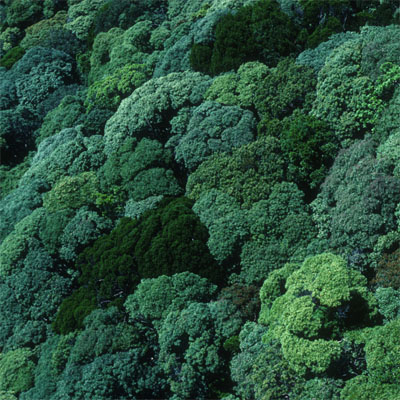
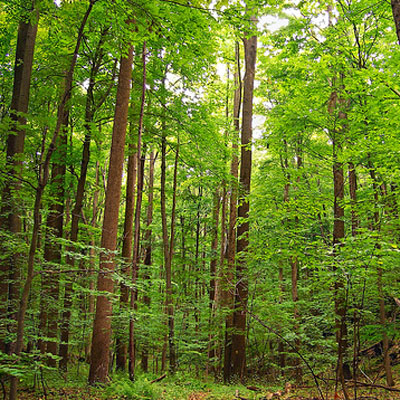
Canopy is not a synthetic landscape, it is the natural three dimensional immersive responsive environment in which we are both actuators and reciprocals of its system. It is the landscape that we have forgotten as it has been removed from nearly all of the developed world. We continue to see nature as pastureland, viewed from the comfort of our car, a continuous surface of green rolling hills. Today’s pastureland was once forest, ancient, wild and untamed, a dense impenetrable mass of moss, lichen and fern, dark, damp and full of life. We wiped these systems away to graze our cows and grow our corn. There is a need to reintroduce the tropical and temperate forest so that it can again become an integrated part of the sustainable world.

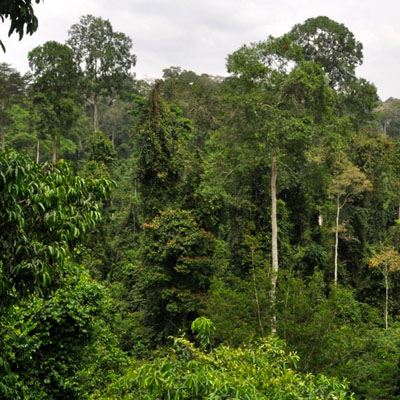
The rain forest is a complex system of interrelated species. The rain forests are a dense layered mass of vegetation with each layer having a specific role and housing its own eco system and yet together they work as a symbiotic system. The rain forests are typically wet and tropical and are home to the majority of all species on earth, they re-oxygenate the air and consume carbon dioxide. The forest floor is a rich but shallow new earth and the symbiosis within this ecosystem’s layers continues below ground. Rain forests are dynamic living environments and as such the stratification is not always clear with many overlaps throughout the forests development. The rain forests water cycle is an efficient circular system. Plants roots take up moisture and nutrients into the canopy, falling rain is often caught by the canopy. During the day as the forest heats up water evaporates forming clouds that in turn become the next days rain. The process feeds the forest and purifies the water, the nutrient cycle is self-feeding. Rain forests have constant climate and constant rainfall allowing the trees to be deciduous yet evergreen, continuously growing and shedding leaves. Rain forest soils are often infertile, shallow acidic and stained red due to high concentrations of iron oxide. The soil needs the forest as much as the forest needs the soil.

Layer Stratification

The emergent, the tallest of the trees are those able to withstand strong winds and excessive heat, these may rise fifty meters above the ground (seventeen stories), some are able to reach heights of eighty meters. Their role is to break new ground to form the shelter under which new forests may grow.

Below this is the canopy layer a continuous coverage of foliage 30-40m above ground. The canopy is one of the richest unexplored habitats on earth with over a quarter of the world insects and half the worlds plant species. Many species never leave the canopy either to venture up to the emergent layer or down to the forest floor. Epiphytic plants grow within the canopy range, they attach themselves to trunks or branches and obtain all of the water and nutrients they need from falling rain and debris.

The understory or under canopy sits below the canopy, only 5% of the light that hits the emergent layer falls to reach it. Leaves become huge waxy plates that try to absorb as much light as possible. The understory is home to larger mammals.

The forest floor, the lowest level with only 2% of light reaching its surface where plants adapted to low light can survive. The forest floor is relatively clear with less diversity and speciality species that can grow with such low light levels. The floor is made of decaying plant and animal matter that decomposes quickly due to the humidity and heat. Fungi feed on the decaying organic mass that is rich in nutrients but poor in humus. Buttress roots are common in the shallow soil as there are few nutrients or minerals at depth. The buttresses are structural and the roots spread to a wide supportive base. Where the roots break the surface ridges help to channel water and fresh nutrients into the root system. Collectively interlocking root systems stabilise the soil and protect the weak soil from erosion. On average rain forests receives 2m of rain per year and this amount of water leaches soluble nutrients from the ground. Large mammals are able to roam the forest floor as it is has sparse vegetation.

Below the forest floor are the decomposers and these are vital to a nutrient dependent forest. Decomposition rates are high due to temperature and humidity levels as well as armies of microorganisms, bacteria and fungi each with a decomposition role. Nutrient recycling is essential as the below ground resources support the above ground biomass and all of its inhabitants. In breaking down leaf litter microbial organisms turn organic compounds into inorganic forms of carbon that can be used by plants. The microbial community respire taking up oxygen and releasing carbon dioxide.

Ecosystems benefit mankind in numerous indirect ways primarily through cleaning, air and water, and decomposing and recycling wastes. Ecosystem services have recently been given economic values and categories such as; supporting, provisioning, cultivating and cultural. The purpose of this is to try to add a comprehensible value to systems that work in the background supporting other economic or social criteria. The problem with this is that the values and assessments are still homocentric and not planet focused. Of the four criteria:

Supporting – services that are necessary to support all other ecosystems.

Provisioning – includes the provision of food, medicines, mining, water, minerals.

Regulating – carbon detoxification, waste decomposition, water purification, prevention of soil erosion. Cultural – would include scientific, educational, recreational, spiritual.

In summation the natural landscape, that of the forests, are three-dimensional immersive environments with complex integrated systems supporting a multitude of diverse species.

What is the difference between our concepts of landscape and wilderness? Landscape is allowed to be farmed as farming is conceived of as part of landscape. Wilderness is the unknown, undiscovered wild. It is conceived as the primitive romantic allocated to pockets of other worldliness kept somehow in isolation and suspension. The ecological and environmental as opposed to spiritual concept of wilderness is historically relatively new. The vital influence of independent beings outside of mans homocentric notions and rules is difficult for us to comprehend. The idea of coexistence, that we are part of a much greater whole alienates. The domestic landscape in any form is not a true wilderness, species diversity and proliferation need to remain untouched by humans. So in this over populated world how can the concept of natural exist?

Modern landscape is determined by policies, government directives, subsidies, global markets, where land only has a value measured by its economic return and the bias of that return is manipulated according to policies. This problem is compounded as all land is now owned, split into networks of estates and small holdings each with their own agenda. The concept of ecological coexistence is meaningless in such an environment. Short sighted political competition strives to support short-termism to appease the demographic popular mass. Global policies are powerless and perhaps only patronage can collect, save and set aside natural landscape. The constant depletion of resources through monoculture is unsustainable and their replacement with variations of polyculture at present unrealistic. We live in an ever-increasing synthetic world supported by synthetic systems and a reduction in human population is the only way to attain a balance.

So what can be learnt from these short essays on synthetic landscapes? Firstly we view things incorrectly, we are too close or too far away. The heart zooms in close and the intellect seeks overview but both of these approaches misses the point as they reduce landscape to surface, the landscape as the rolling plane or the flower as a smooth petal. We read landscape in the abstract, in books, from IT, from above high, in our towers or from the cliffs, or we walk on lawns and admire two dimensional compositions of arranged fauna. We flatten to overview, to control and understand and in so doing we have forgotten that nature is not like this and that we are part of it and not above it. In the essay Synthetic Landscape 4, The canopy landscape is truly three dimensional and we are engulfed by it, it consumes us and orders us, to inhabit it we have to live within its rules.

Secondly after surface we desire objects, totems, souvenirs, monuments, effigies. Our elementary three-dimensional understanding loves products. Architects are living proof as they have for centuries built objects to be viewed from above, studied first as drawings then as models but always viewed on the desktop. Even when built high in the city buildings are visualised in the mind as a totality, as a clearly defined object with an enclosing perimeter. Natural landscape is a dynamic, ever adjusting variable, an emerging responsive nebular conclusion of interrelations. 

In conclusion, system diversity is essential to efficiency.

The Surrogate Twin

Posted on

030816 – Synthetic Landscapes 3 – The Automaton Gardener

​030816 – Synthetic Landscapes 3 – The Automaton Gardener > words

Synthetic Landscapes should be read 1 through to 4.

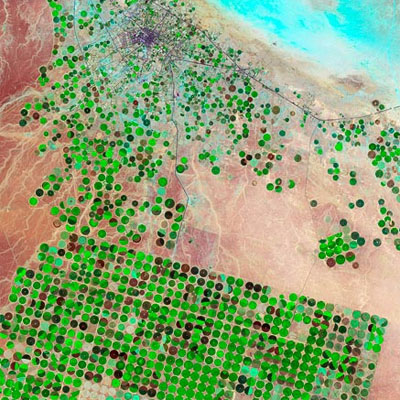
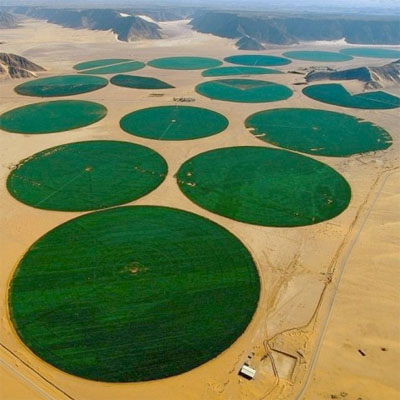
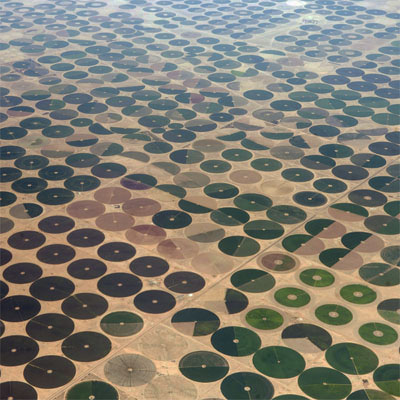
Landscapes in extreme environments are heavily nursed. Central pivot irrigation provides the most common form and these create surreal circular patterns that are seen clearly from above. The simple technology, invented by Frank Zybach in the 1940’s, consisted of a boom sprinkler system fed from a central point. The interlocked booms can be 500m in length, these rotate about the central point so a 500m length would create a 1km diameter circle but an 800m diameter circle (400m boom) is the common norm. The sprinkler booms are supported by trusses, these in turn are supported by wheeled towers driven by electric motors. The outer edge of the boom, the perimeter of the circle makes a full rotation every three days. Water is evenly spread and the outer edge of the boom travels at a faster pace than the inner parts and therefor covers a greater area. Holes that distribute the water from the boom are correspondingly larger towards the ends of the radii. Central pivot irrigation best suits large areas of flat land and are often located over subterranean aquifers. The more efficient systems employ hoses that deposit the water directly onto the ground next to the plants and cutting evaporative losses that are high. Central pivot irrigation systems can use hundreds of gallons of water per minute but are still considered to be more water efficient than traditional farmland in specific locations. However by allowing farming to exist in areas where climatic conditions would not normally support farming, pivot irrigation quickly depletes underground water supply. It makes no long-term ecological sense to continue using central pivot irrigation in arid regions without controlling evaporative loss and better sustainable management amongst farmers. The aesthetics however are seductive; lush green circles carpet the desert sands creating extravagant geometries that can be viewed from space.

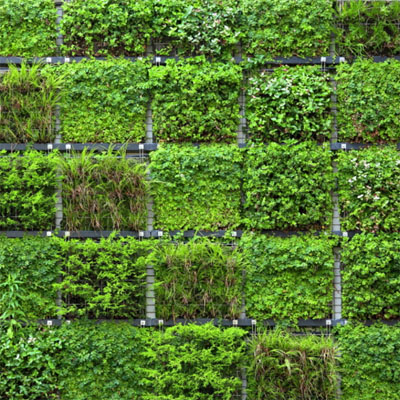
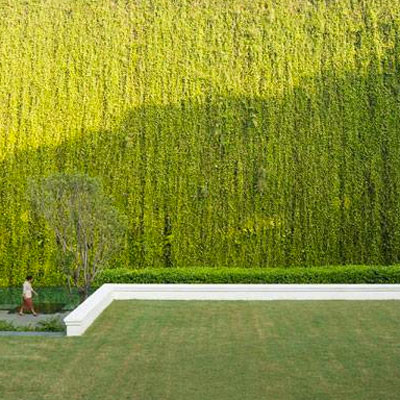
Vertical landscapes, Green Walls or Living Walls are indoor or outdoor vertical gardens. The vegetation grows on substrates of either loose dirt in trays, felts, woven mats or polyurethane sheet media. The media used is dependent upon wall height, scale and location but all consist of a grid system that has a feed of water and substrate panels. The walls are high maintenance, earth needs to be replaced at least yearly and matting panels every three years, replacement requires disrupting both the established aesthetics and planting. Vertical Landscapes using structural media have become increasingly popular as a means of covering large vertical surfaces and fifteen year life spans have been achieved. As the benefits of the vertical planting become better understood and with increased use further efficiencies will incur, including assisted natural ventilation of buildings.

Vertical Landscapes are of interest at the larger scales and could function and offer positive for both the built and the urban environment. Cities are heat sinks, acres of concrete paving, roads and walls all of which absorb solar radiation and re-radiate the absorbed heat allowing a heat build up in cities. Vertical Landscapes can help negate the affects of the heat sinks associated with building materials. Urban areas lack adequate green space, green walls can humidify, add oxygen, remove carbon dioxide and lower ambient temperatures. On a building they could help recycle grey water, shade and humidify, assist and filter ventilation, encourage biodiversity and increase habitats. Green walls offer an addition to the architectural vocabulary of the façade, increasing its depth and its texture.

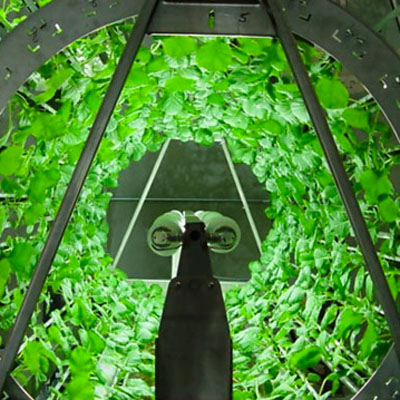
Hydroponics has a history of over 300 years and is a method of growing plants in water without soil. The plants are drip-fed mineral nutrient solutions that can be from organic waste products such as food waste, fish waste and manures. One advantage of hydroponics is the efficiency with which the plants roots can have constant access to both oxygen, water and nutrients, taking as much or as little as required. Excess water can be drained, aerated to eliminate anoxic toxins, supplemented with minerals and recycled back to the plants. Although hydroponics may use a static solution culture a continuous flow nutrient film is preferred it is easier to manage and can obtain higher crop yields. It is possible to grow plants using aeroponics where the roots are fed with nutrients via an atomizing mist. A wide range of plants can be grown together in this way as each plants microclimate can be finely controlled and pathogen spread can be greatly reduced. Aeroponics uses 65% less water than hydroponics and produces a greater biomass. There are available a wide range of substrates and nutrient feeds but the method of feeding is consistent. The hydroponic mechanised landscape offers an unusual aesthetic potential.

These mechanised, highly serviced, landscapes may have a much greater role in a post-industrial urban environment. Automation, robotics, micro drones may soon be cost effective gardeners fussing over rooftops and facades. Responsive systems moving in and out of the sun, opening and closing, moving to allow light through or clustering to prevent hard rains reaching ground. Systems that capture sunlight, wind and rain and hold and release these when required, turning rain into humidity, turning solar into coolant, modulating its own microclimate. In this system architecture is not a pre-determined form but instead a conclusion to a series of responses set around a desired environment.

In conclusion, a landscape of choreographic intensity.

The Surrogate Twin
Posted on

020816 – Synthetic Landscapes 2 – Toxic Beauty

​020816 – Synthetic Landscapes 2 – Toxic Beauty > words

Synthetic Landscapes should be read 1 through to 4.

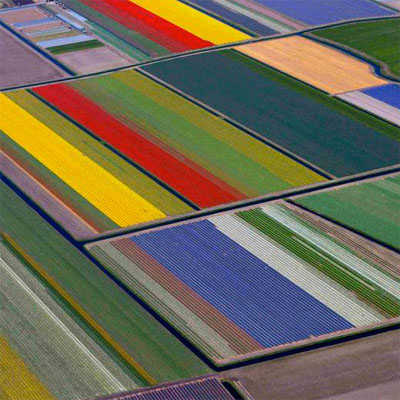
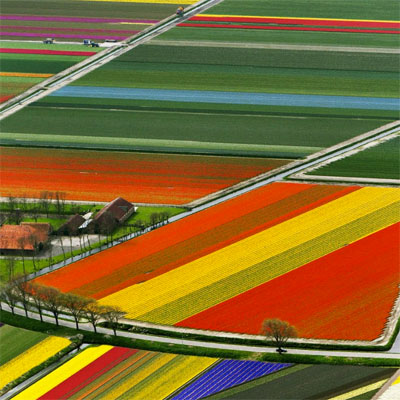
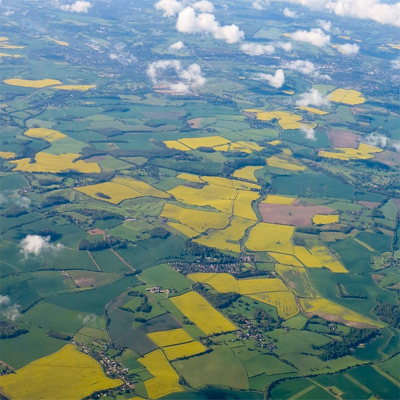
There is something incredibly seductive about order and pattern. Partly as organised regimentation signals stability, control and efficiency all desirables built into the human psyche and partly the appeal of manmade geometric aesthetics. Humans crave simplicity from chaos, structured geometry over natural disorder; endless fields of blocked colour in rectilinear patchwork tapestries are easy on the eye and easy to comprehend. The tamed landscape concurs that we are in control and that we can make nature do as we please. Of course nature isn’t chaotic. It has hierarchy and order but it is not an order that most humans understand. We feel vulnerable in its presence, we order to organise and dominate, control is calming, it is safe and secure. In pleasing the eye the abstract patterns of monoculture, the chequered fields of blocks of colour, neat rows of subservient trees that line up to assist man and make his life easier and more pleasant hide a broken order.

Man has been farming for at least ten thousand years, he learnt to save seed and plant so that food would appear on his doorstep, he no longer had to live a nomadic life as a hunter-gatherer. Steady and reliable food quickly increased population and as population grew more farmland was cleared. Natural landscapes, indigenous species and habitats have all been wiped away. Historically every time a farmer cleared a small land holding habitats are swept aside but since the 1950’s this has been done on such a colossal global scale with thousands of square miles cleared to plant a single crop. Farmland is protected, sheltered and nurtured but the more we parent our crops the more they are dependent on us for their survival. Todays crops are genetically so far removed from their wild ancestors that they are unable to exist without their daily fix of fossil fuel derived pesticides and fertilisers. In our quest of forever increasing yields we leached the soil and bred out the crops inner defence systems. Annuals replaced perennials and with each season the plough weakened the soil losing the topsoil that will take a thousand years to replace. Below ground the microfauna and microflora that adheres and regenerates the soil are broken apart. Hard compact surfaces become windswept dust plains or washed away in heavy rains as water cannot penetrate to the depths required. Topsoil ultimately gets washed into rivers or drains and eventually ends in the sea. Some parts of the Mid West US lose 30mm of topsoil every two years. The soil is no longer a rich black fecund of life and death, the ongoing circle of perpetuity but instead a chemically enhanced anaemic rock like mass. In our never-ending search for increased production we have turned farmland into a synthetically supported factory system. Even our extensive manicured lawns are a form of monoculture.

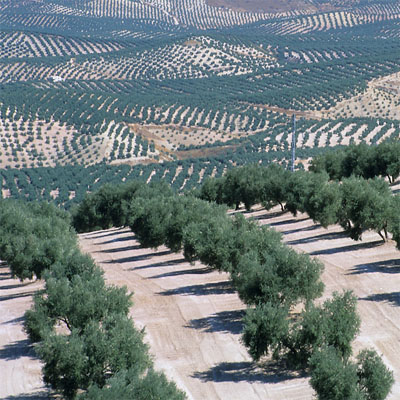
The industrialisation of farming methods that have developed over the past two centuries favours monoculture, farming of one crop or one breed continuously. There are short-term efficiencies in this system as a single species has the same requirements and runs one timetable. Planting, maintenance, harvesting, marketing and logistics can be standardised. Sadly there are long-term inefficiencies such as soil degradation, low biodiversity and high risk of disease through pathogen spreads. The negatives can be offset with pesticides and fertilisers, usually made from petrochemicals and delivered with diesel miles. The efficiencies of monoculture increase yields that in turn increase with scale, so monoculture farms benefit as they grow and in so doing consume neighbouring farms and land. Eventually thousands of acres may fall under a single ownership and are harvested by subcontractors that move from farm to farm following the seasons. The Corn Belt of the Mid-Western United States, olive groves of Southern Spain or cut flowers from the Netherlands would be typical examples. Concentrated production of cash crops from within a confined area feeding a world through global distribution systems are particularly vulnerable to disruption including political, logistical and environmental. The long term negatives of monoculture have long been known and efforts to obtain equivalent yields from polycultures are being tested. The transition to polycultures will not be easy as increased labour, tooling and logistics costs are off set by longevity and less dependency on fertilisers.

The world’s natural state is forested but forests now cover less than 30% of the planets surface. The depletion of the Amazon rain forest is a sad atrocity but that depletion has occurred in every developed nation. In the US there was once 440 million acres of forest now there is only 25 million acres a 95% depletion. Tropical rain forests are depleting at a rate of 35 million acres a year. The consequences of de-forestation are well known first soil erosion followed by polluted water tables. Every nation should be re-forested and not micro managed agrarian forest but natural forest left to assume its own natural balance and eco system. This would not only help the biosphere to the benefit of all the planet but would also start to put a slow squeeze on land available for development or agriculture which in turn would begin to put pressure on a reducing population. Managed forests have little diversity, trees are planted at one time and harvested, clear cut, at another putting strains on habitats. Natural forests have a mixture of trees of various types, ages and scales. In the mix dead trees have an important role housing all types of wildlife that are essential to a thriving living forest system. We have become so use to associating farmland with nature that we now accept farmland as nature. We have no concept for the wilderness without human intervention.

In conclusion, regimented order does not guarantee the most efficient system.

The Surrogate Twin
Posted on

010816 – Synthetic Landscapes 1 – The Sublime

​010816 – Synthetic Landscapes 1 – The Sublime > words

Synthetic Landscapes should be read 1 through to 4. 

The purpose of the Synthetic Landscapes essays 1-4 are the beginnings of an investigation into the planets primary problem of over population, that taboo subject all politicians and environmentalists avoid. Synthetic Landscapes will draw upon the extremes that man has reached to maintain the present rate of population growth. But the essays also look at man’s peculiar relationship with nature, the us and them as if the two are completely separate and alien. Man rarely sees himself as part of a larger system but somehow outside of it, as either an observer or master. There is much to learn from the natural ecosystems especially with regard to future infrastructure and city healing. Lessons from natures circular systems in which there is no such term as waste need to be introduced into every aspect of our lives rather than our linear systems that push the problems elsewhere either in time or space.

Without a global policy for population reduction, one that is desperately needed, a new short term solution of inhabiting even more extreme landscapes, or repairing existing eroded landscapes, will be required to continue to support life on earth. Areas of ‘terraformed’ landscapes will be needed to try to reclaim spent and eroded soils and rejuvenate the semi arid regions of the world that were once lush fertile plains and this will form the research base for extra terrestrial terraforming.

Synthetic Landscapes 1

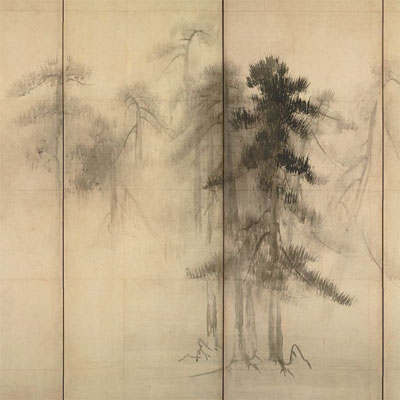
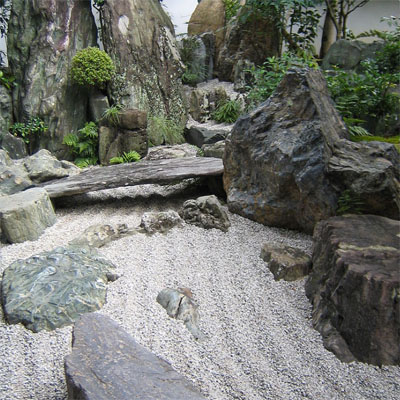
Inspired by Chinese gardens both the Japanese Rock Garden and the Japanese Garden were built to capture the intimate essence of nature in miniature. The gardens date back to the 8th century and have strong links to Zen Buddhism. The gardens were small and walled, often laid out to be experienced from one seated viewpoint whilst in solitary meditation. In these greatly simplified abstracted or stylised compositions, elements within the garden are representations of natural phenomena, raked gravel represents rivers or streams, rocks may represent mountains or islands. Miniature trees and shrubs, (Bonsai) are used to make the garden seem perceptually larger.

The development of the Japanese garden runs parallel to the development of Japanese and Chinese ink landscape paintings. Where a restricted pallete, an asymmetrical composition and large areas of white are all part of the composition. Occidental gardens were optimised for visual appeal whilst Chinese and Japanese gardens were modelled on spiritual and philosophical ideas. The Japanese garden can be seen as a three-dimensional text telling a story. Nothing in a Japanese garden is natural or left to chance, every plant is chosen for its aesthetic as part of an overall composition. Trees may be trimmed and shaped to make them look as mature trees and their autumn colours are of particular importance. Mosses are used to make the gardens seem ancient and flowers are chosen for their religious symbolism.

In conclusion, the gardens are transcendental, solitary, meditative and spiritual.

The 16th century Italian Renaissance garden was an extension of the architecture. It was ordered by symmetry, geometry and perspective. The gardens like the architecture symbolised mans control over nature. The gardens were usually walled and separate from the house, to be enjoyed as outside rooms with a rich tapestry topiary carpet.

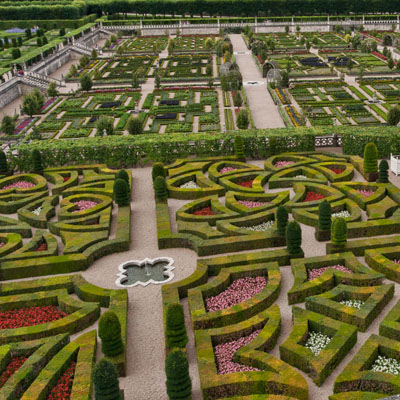
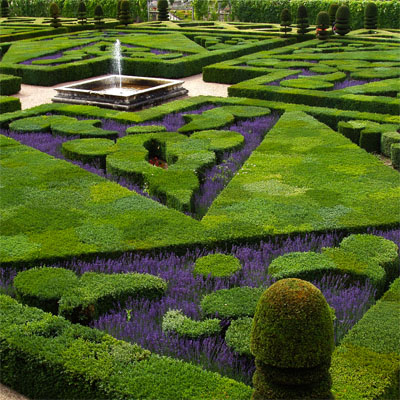
The 17th century French formal gardens expanded upon these principles both in scale and complexity of plan. The garden was integrated with the house setting up vistas deep into the surrounding landscape. The perspectives were visually lengthened with pathways narrowing and trees and topiary shortened towards the ends of vistas. The affect was to extend the gardens to infinity increasing the power represented by mans control. Geometry and mathematics lay the foundation plan, there were few ornamental flowerbeds and evergreen topiary was the principle medium. The gardens were used for entertaining, for gossip and politics, or to be to walked with surprises and discoveries such as fountains, statues and ponds en route. Technically the gardens required moving considerable amounts of earth to provide the level plain on which this horizontal tapestry could be laid. Bringing adequate water to the gardens both for plants, ponds and fountains was another engineering challenge often with water diverted from great distances. The planting was extreme and continuously labour intensive. The gardens are best described as horizontal paintings, tapestries or carpets and often best viewed in totality from the upper floors of the adjoining house or palace. The gardens of Versailles and the work of Andre Le Nôtre would be characteristic examples.

In conclusion, the gardens were social/political and very much part of Court life, symbolically they were about mans control over nature, and they were best viewed in two dimensions from above.

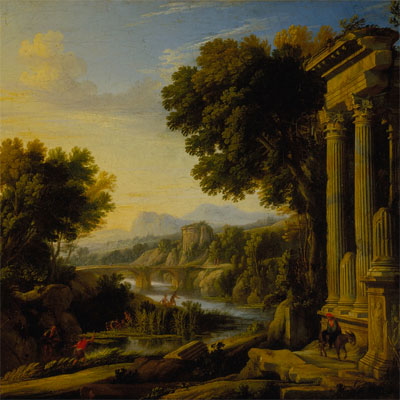
The English landscape gardens of the 18th century were first inspired by the romance captured in landscape paintings, typically those of Claude Lorrain and Nicolas Poussin. The paintings captured an idyllic wilderness where man and nature were at one. Domesticated animals and overgrown classical ruins recaptured by nature were recurring themes. The soft asymmetrical composition of Chinese gardens was also influential in breaking with the geometry and symmetry of the French Garden.

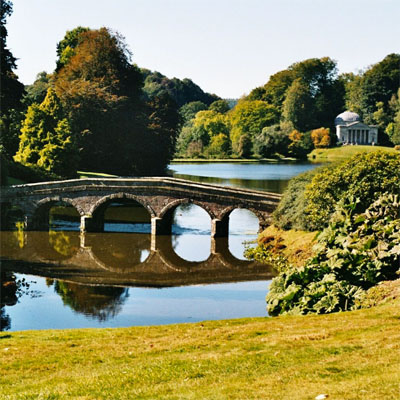
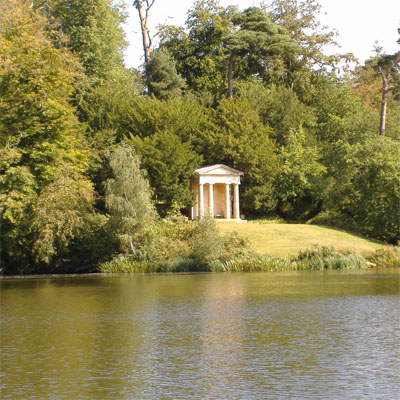
The English landscape gardens built these paintings as physical realities. One could ride the grounds and discover a ‘painting’ as a three dimensional reality, ride further and turn to discover another. Antiquity was represented in miniature, the temple, the obelisk, the rotunda, the Palladian bridge. Often these would be built as ruins, along with caves, grottos and sculpture all in the process of being retaken by nature. The garden architectures had limited practical use other than complementing the aesthetic composition of the gardens. The architectures act as focal points and places of destination where once one has arrived one turns only to discover another ‘painting’ across the landscape. In this way one is lead through a series of three-dimensional picturesque romantic sets and as such the landscapes are experienced sequentially.

The English landscape gardens undulated with rolling hills, indigenous woodlands, artificial lakes, rivers and streams. Deer, sheep, rare breeds of cattle, ducks, swans and fish all cohabit this picturesque idyll. Manufacturing this idyll was a massive undertaking of landscape manipulation, digging down to make lakes, moving the soil to make hills, pumping the water to maintain the streams that forever circled between the lakes. The gardens extended far into the horizon to eventually blend with the natural landscape or the farmland beyond. For the landed gentry, where wealth is measured by the acreage of their vast estates, an uninterrupted ‘as far as the eye can see’ was the objective. The gardens of Stowe, Blenheim and Stourhead, or gardens by William Kent and Capability Brown would be examples of the genre.

In conclusion, the gardens were sequential stage sets to be experienced at a leisurely pace. Politically they were about confidence, power and stability through ownership.

Posted on

020716 – Environs 2 – London

020716 – Environs 2 – London > words

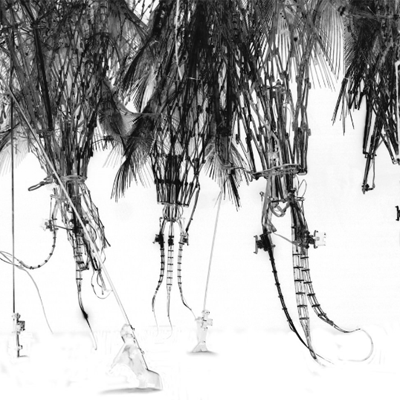
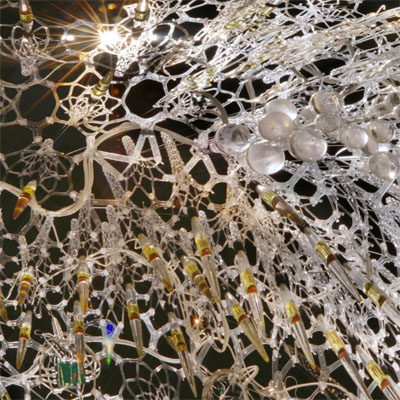
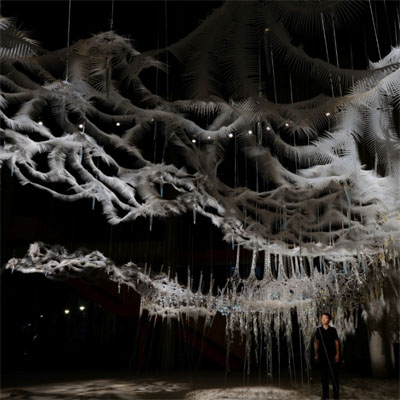
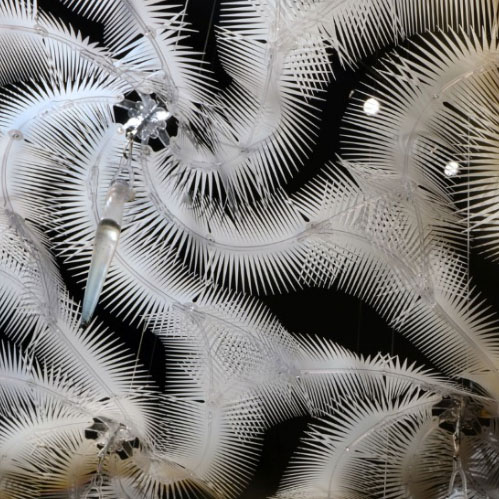
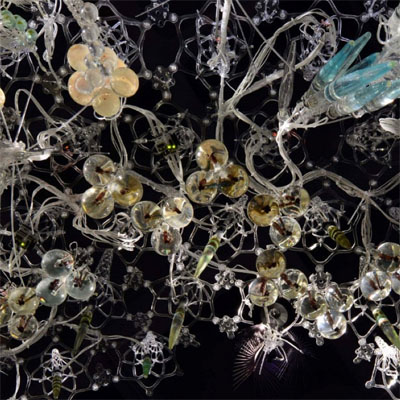
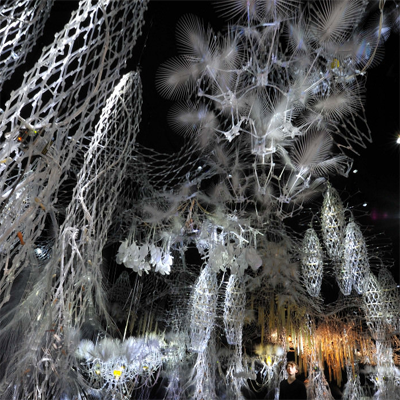
Philip Beesley is working in cross discipline collaborations is allowing designers the possibilities to explore new frontiers. Architecture, visual arts, fashion, engineering, systems software and synthetic biology are the resources being drawn upon. Structures incorporate sensors that provide sensory feedback and interactivity. Responses may be acoustic, light emitting, kinetic or chemical.

Here are the early beginnings of a living architecture, a diffusive form, heavily reticulated, a cloud of materials, a misty nebular periphery. The structures breathe like a giant lung, they are permeable, porous, fragile boundaries that absorb and radiate energies and information. There is a lack of ‘Vitruvian solidity’ with its defensive enclosure of inside and outside, us and them. Here the artist strives for an interconnected oneness. These porous fields are the opposite of the machines that minimise their interaction with the world, the space ship, the submarine, the office. There is an ‘excess of fragility’, the greatest accessibility and vulnerability. Pursued is the idea that we might have expanded physiologies that acutely feel the presence of the energies that surround us so that we may in turn be aware of our symbiotic relationship with our locality and our planet. The work is described as a pluripotent soil or turf, a surface that has positive fertility and has the ability to give back more than it consumes. These Gaia like ideas are followed with religious zeal. 

The boundaries are constructed in layers or rather interwoven networks of 3D textiles. A chemical inner layer of organic batteries in latex sheaves that produce energies. Protocells, in test tubes and vials, that extract carbon dioxide out of the atmosphere and turn them into a carbonate shell. A reactive outer layer covered in a network of motorised fronds, filters and whiskers that translates the environment and responds with exaggerated resonance. Sandwiched between these is a network of receivers, low energy and bimetallic mechanisms working in a mutual relationship with many sensory boundaries.

This work has its roots in the early conceptual projects of the 1960’s (See text environs 1) and has been simmering and developing steadily in university projects over the last seventy years. The process has been slow and accumulative, now new accessible technologies are beginning to realise workable prototypes. 

This work forces man to look forever closer at the natural circular systems he inhabits. To understand the efficiencies of complimentary symbiotic arrangements, minimum energy usage and zero waste. It openly pursues and organic florid beauty in the aesthetic of nature as it interprets and replicates natural systems. There is an inherent optimism within this penumbra of surface of a new definition of robot that is the gentle articulated aurora and not the all-dominating mechanical man of so many Sci-Fi films. 

The Surrogate Twin
Posted on

010716 – Environs 1 – London

010716 – Environs 1 – London > words

We are constantly presented with new terminologies, smart materials, disruptives, robots, drones, virtual reality and wearable tech, we need first to remember that design is evolutionary (See text Environs 2). Todays amazing realisations have their roots in the conceptual projects of the past. These projects have been evolving incrementally in the research labs of architectural and design schools for many decades. Over time each isolated experiment has been collected and collated by the next generation into ever more comprehensive products and environs.
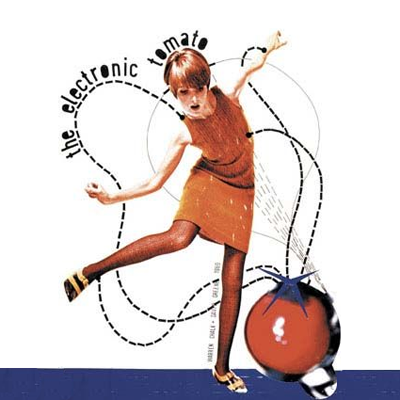
The 1960’s were one of the richest periods of liberal free thinking, many conceptual ideas that were crudely sketched or montaged then have since formed the roots for endless projects, some realised, some academic. Examples include The Mowbot, derivatives of which can now be bought in the high street, The Electric Tomato now comes in the form of an iPhone. The intangible sensory environments of the past are fast becoming reality with the growth of virtual reality, holographic projections and automated environments. The Internet of Things will soon spread from the home to the city. The potential of free solar power and wireless energy would mean that information and animated responsive environs are only a few years of development away. We are moving away from mono specific tools towards multi specific tools. Just as the computer, the phone, the watch were once mono specific tools they have now evolved into tools of multiple application. Other products will follow suit, the car will become the library, the energy storage centre, the entertainment centre, the bedroom, the office. As tools move from mono to multiple applications an overlap between products will make many objects redundant. Preexisting semantic forms will no longer have relevance. The move from micro to Nano will continue the pursuit of the ephemeral as objects slowly disappear. Everywhere access to a global cloud will enable the place less international nomad not so dissimilar to the ideals proposed by Superstudio. Micro climates of information and energy stitched invisibly into landscapes and ecologies are now a very feasible possibility.

So as a point of reflection here are some favourite projects.

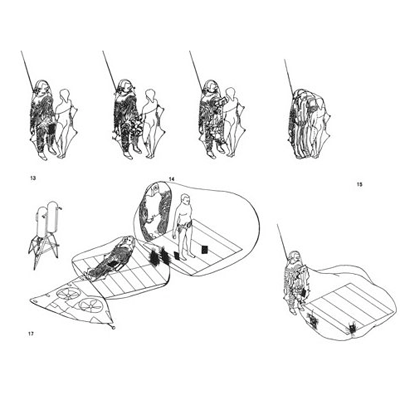
1967 – Suitaloon and Cushicle, Mike Webb. 

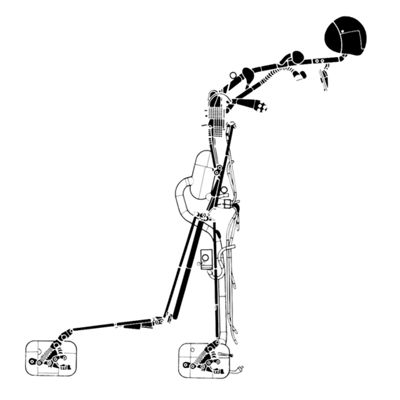
If it wasn’t for my Suitaloon I would have to buy a house. The Suitaloon is a wearable environment. Each suit has a plug. You can plug into a friend and two suits become one, or onto any envelope. The plug serves as a means of connecting envelopes together to form larger spaces.

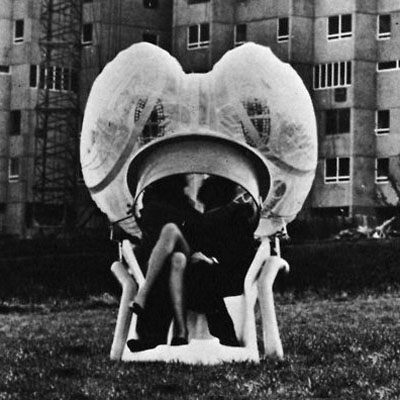
1968 – Pneumatic Space for Two, Hans Rucker. 

The all encompassing sensory environmental capsule for friends.

1969 – The White Suit, Coop Himmilblau. 

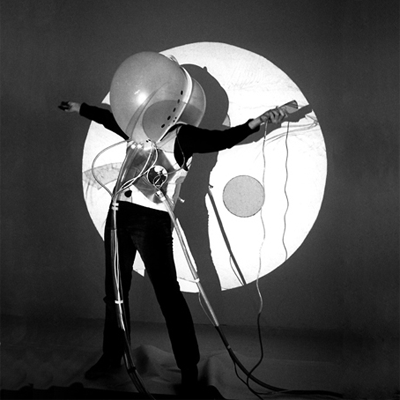
The White Suit has sounds, projections and a pneumatic vest for tactile transference. 

1969 – The Electric Tomato, Ron Herron, Warren Chalk, David Greene. 

The Electric Tomato or Manzak is your own cyber friend, all the sensory equipment you need for environmental information. 

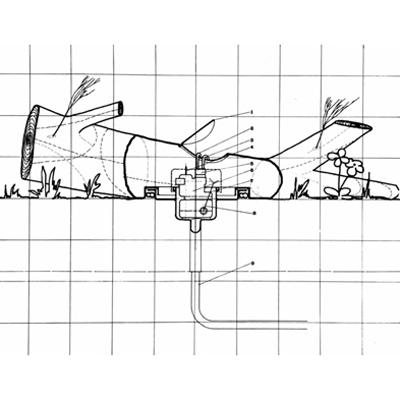
1969 – Logplug and Rockplug, David Greene.

A system of distributed nodes for energy, communication and services. 

1970 – The Mowbot, David Greene.

An automated work pet. 

And some favourite permeable environments.

1967 – The Continuous Walk. Superstudio.

The world is imagined as a network of energy creating new artificial panoramas between man and the environment. This continuous permeable surface encircles the planet with its thermally controlled and modulated microclimate, it is without borders or enclosure. 

1968 – All Watched Over By Machines of Loving Grace, Richard Brautgan. (extract)

I like to think

(it has to be)

of a cybernetic ecology

where we are free of our labours

and joined back to nature

returning to our mammal

brothers and sisters

and all watched over

by machines of loving grace

The Surrogate Twin