Posted on

200217 – Murano – London

200217 – Murano – London > words

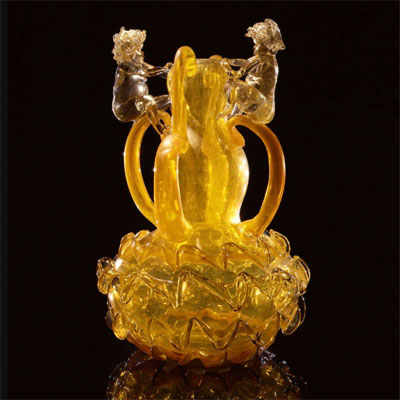
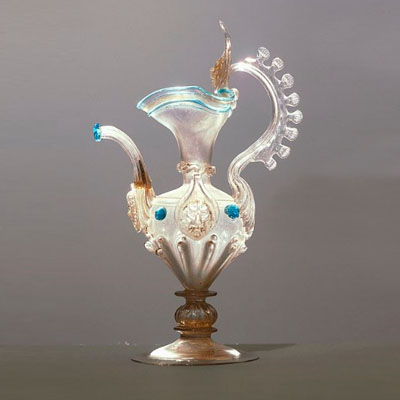
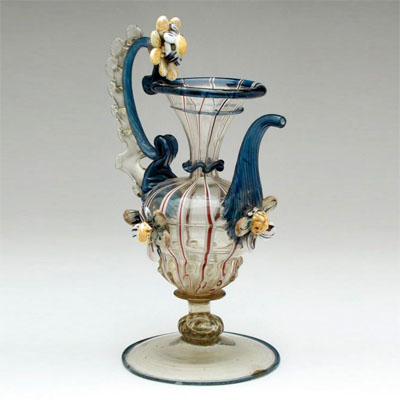
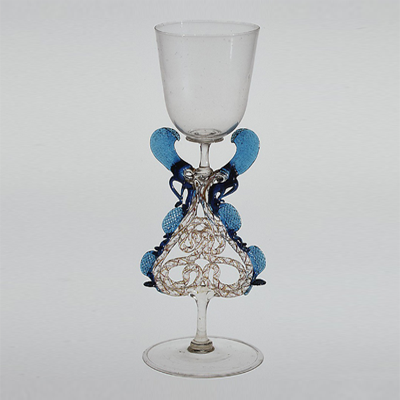
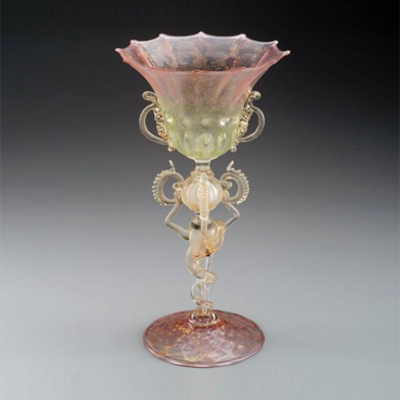
It was fear of the spread of fire that 13th Century Venice moved its glassmakers and glass foundries to the island of Murano. Venice at that time consisted of mainly wooden buildings and Murano, that had been a commercial port since the 8th century, was well suited to what would be its future industry. By the 14th century glassmakers were the most populous people on the island. As the reputation and commercial importance of Venetian glass grew the glassmakers of Murano were the recipients of favourable circumstance. The glassmakers of Murano were allowed a leniency of Venetian law with regards to carrying arms and their new found status found them mixing and marrying into the nobility and aristocracy.

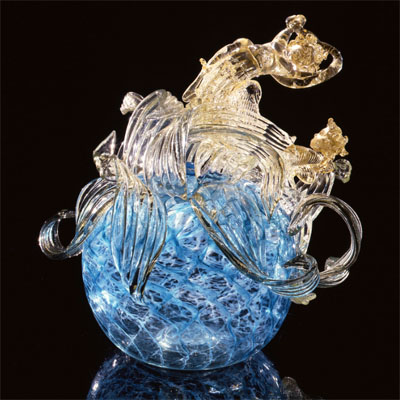
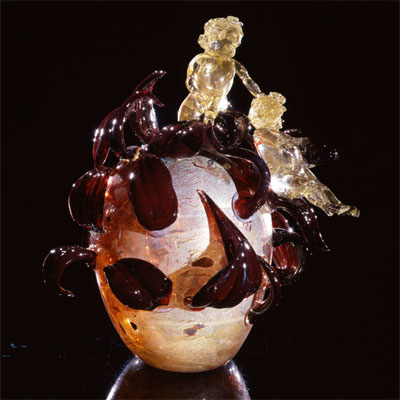
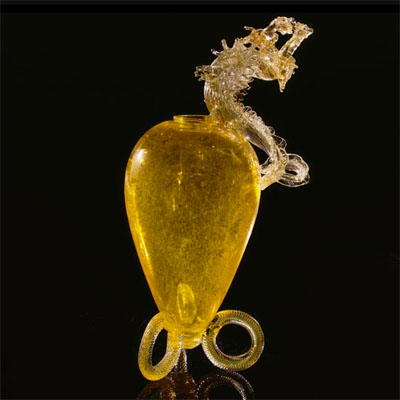
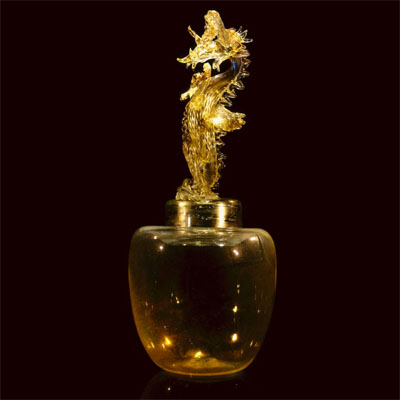
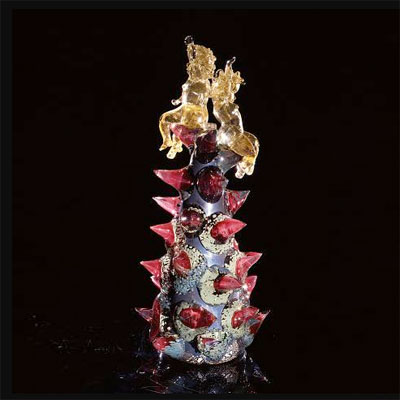
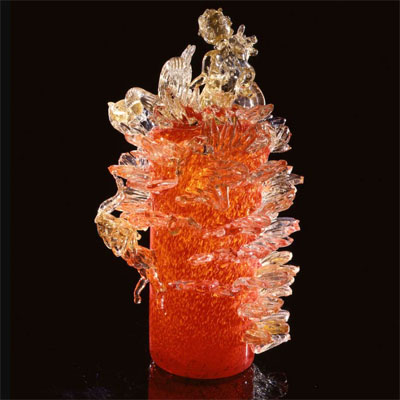
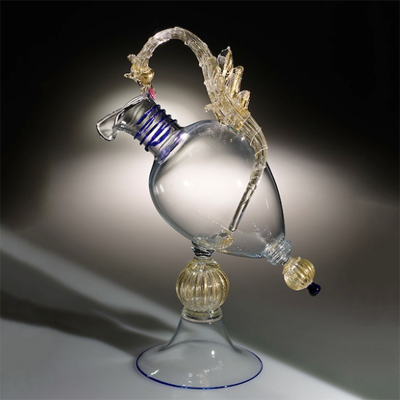
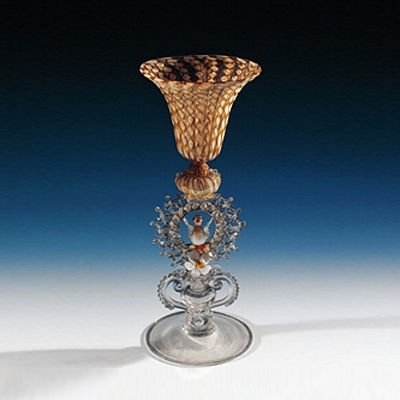
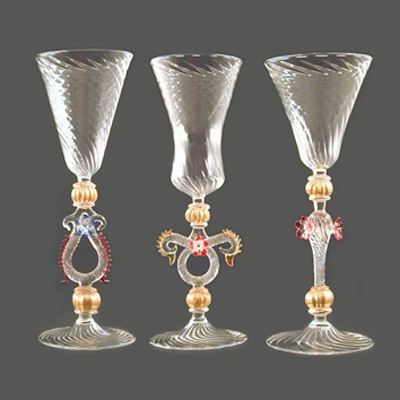
17th and 18th century Murano glass is unique in its compositional eccentricity. It is neither classical, Baroque or Rococo, its craft history and the skills established after centuries of working with secretive techniques allowed each artisan license to explore these techniques. The Rococo supplied the market place but the work was very idiosyncratic with established artisans composing using the techniques of their studio. Milk glass (lattimo), multicoloured glass (millefiori), enameled glass (smalto), gold threaded (aventurine) crystalline glass, large bead and small bead glass, were all used along with the skills of the ciocca (flowers) and glass figurine makers. The final compositions were part vessel, part sculpture, part bricolage. The pieces were heavily decorative, rich in ornamentation and colour, each an excessive exuberance of skills, technique and confidence. 

In 1988 Dale Chuhily made a trip to Venice to view the artisan glassmakers studios and this trip was to become the inspiration for a collection of pieces produced as a homage to Venice. Dale Chihuly’s The Venetians consist of 70 pieces some with Putti (cherubs) others inferred with the characteristics and techniques of the old Venetian masters but all of the pieces are new in both composition and aesthetic. Historical referencing recomposed for the 21st century, simultaneously beautiful and haunting.

Images – 1-7 Dale Chihuly The Venetians. 8-14 17th & 18th Century Murano glass.

The Surrogate Twin

Posted on

270117 – Iris Van Herpen – London

270117 – Iris Van Herpen – London > words

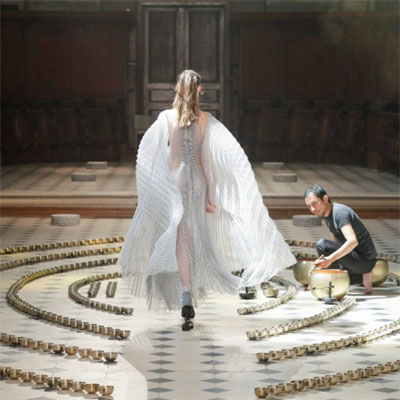
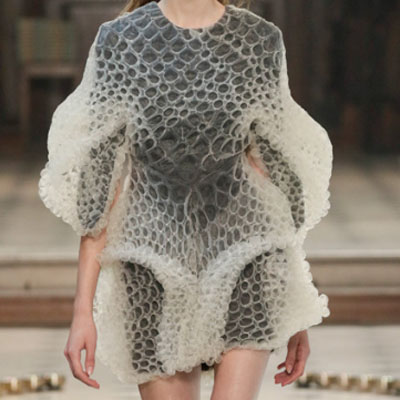
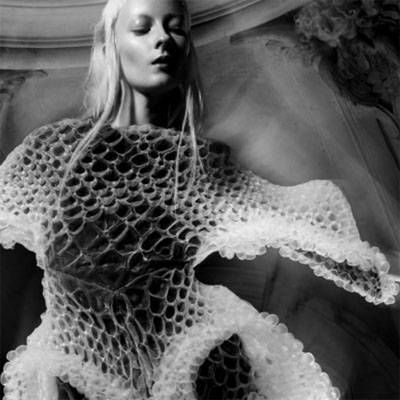
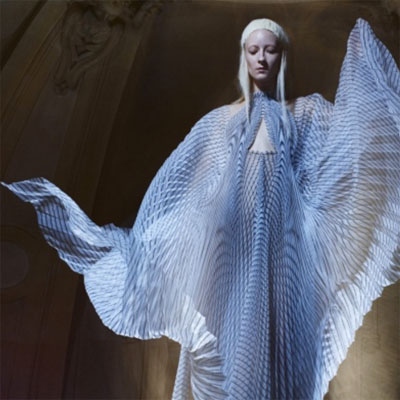
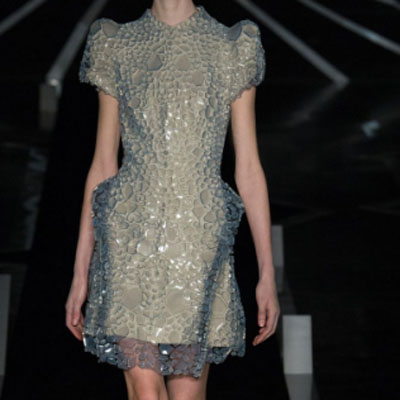
The Iris Van Herpen clothes not only continue to be at the forefront of invention and innovation but also are becoming more and more wearable with each collection. The AW16 collection Seijaku is an exploration into Cymatics. Sound waves are visualised using evolving geometric patterns, where the higher frequency sound waves produce a more complex pattern. The ethereal moiré effect of the dresses appears to be created by waves of light captured on sheer organza and tulle. As the models move a mesmerising optical mirage flows over the silhouette of their bodies. Like all Van Herpen shows nothing is left to chance. The Zen bowl sound installation of Kauya Nagaya, laid like ripples, flow from the footsteps of the models The sound fills the L’Oratoire du Louvre with a haunting resonance reverberating from the marble floor to the cross vault stone domes above. Dark oak panelling forms the backdrop at ground level. These earthy natural colours in a hall of haunting sound has a religious intensity used here to showcase and counterpoint scientific and technological pieces. The models are delicate, fragile, almost see through, each one a sculpture in motion ending their walk on a small granite plinth. The models here, as if intoxicated by the moment, display a doll like process of self-discovery. Every part of this show is perfect installation art, scripted polished and professional.

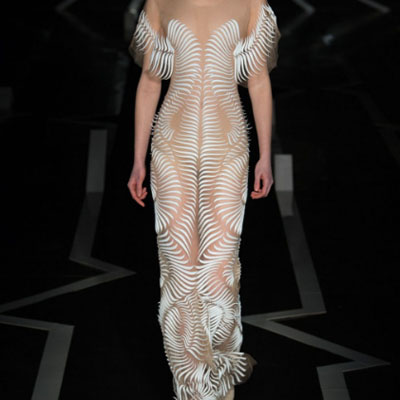
The SS17 collection ‘Between The Lines’ explores more optical illusionistic effects and distortions with rhythmic black on white 3D printed patterns sewn onto Mylar. The bodies form is lost within a camouflaged optic of complex geometries that create strange over body forms. Many of the pieces are not worn but instead walked within, the penumbra and the silhouette being recurring themes within the work. Iris Van Herpen and her very talented team are fast becoming the rising stars of the fashion world with work that continues to grow in strength and maturity. Her shows have become art works in their own right following on from the pioneering shows of Alexander McQueen in the early 2000s. This is brilliantly inspirational work.

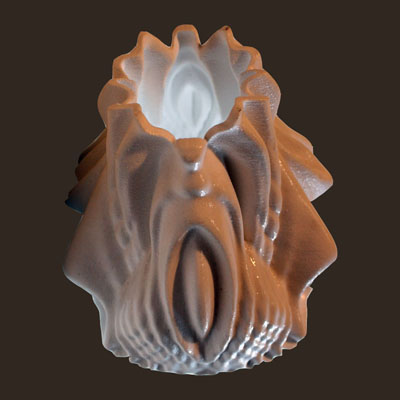
Images left to right. 1 Cymatic volume Ben Lloyd Goldstein. Iris Van Herpen AW16 2-5, SS17 6-7.

Posted on

170117 – Emotive Transparency – London

​​​170117 – Emotive Transparency – London > words

In Colin Rowe’s infamous 1955 essay on Transparency: Literal and Phenomenal (with Robert Slutzky) two notions of transparency are discussed with regard to modernist painting and architecture. The first Literal Transparency; that through which we can see whether paint or glass and that through which light can pass is given a reduced text. The second Phenomenal Transparency; that of the suggested space captured within the compressed picture plane, especially with regard to cubist painting and architectural layered space of the early Modern Movement, this has the majority text. Dictionaries only give the definition of transparency as the literal description described above. Phenomenal Transparency is the reserve of Art critics and theorists.

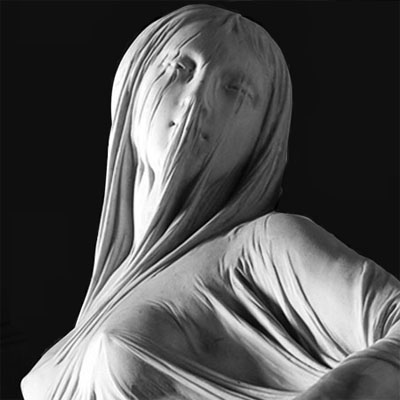
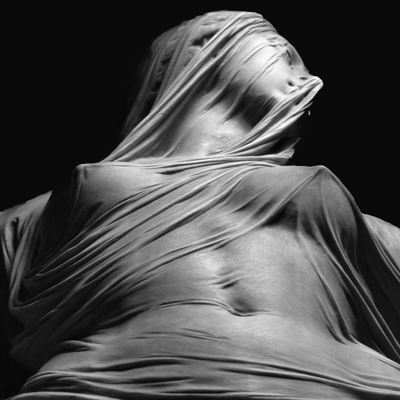
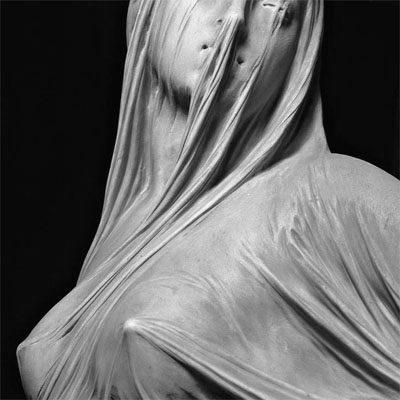
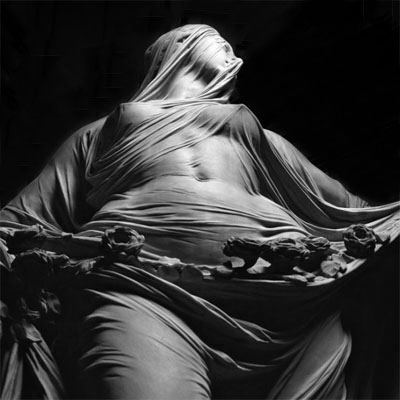
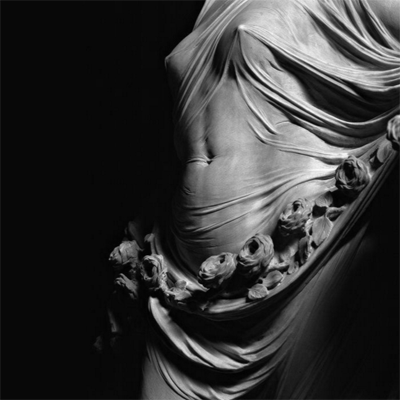
It was my intention to assume the concepts behind Phenomenal Transparency and to apply them to a critique of the Baroque figurative sculpture of Antonio Corradini (1688-1752). In re-reading the Rowe essay the concepts behind the idea of Phenomenal Transparency were totally inappropriate to the Corradini work but equally interestingly and equally inappropriate were the Literal Transparency definitions. It was concluded that Corradini exploits a third type of transparency that of a perceived or emotive transparency. It was further concluded that in the Baroque world, where faith had equal authority to science and law, the perception of emotive transparency would be considerably stronger than our perception of it today. 

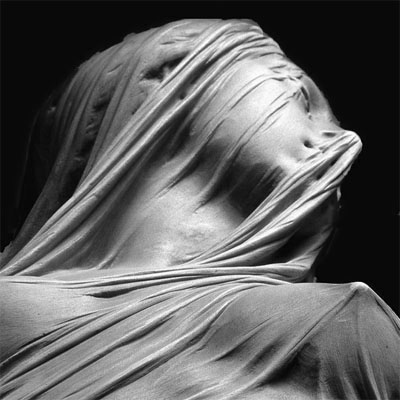
Marble is a metamorphic rock composed of sedimentary carbonate minerals that have recrystallized. Recrystallization is a metamorphic process that requires intense temperature and pressure where grains, atoms or molecules of a rock or mineral are packed close together, creating a new crystal structure. Marble is nearly twice as dense as concrete and is only translucent as a backlit veneer when a few millimetres thick. Antonio Corradini uses marble that is solid, heavy and non translucent. Scientifically we are aware that the marble is solid and that we cannot see through it. Emotionally the sculptor induces a cognitive response to two known conditions, that of the woman and that of the veil. By presenting this duality the artist creates the desire to see two complete known entities simultaneously and in so doing creates the illusion of transparency

The Surrealists were aware of emotive transparency. In the Rene Magritte’s Le Blanc-Seing in the essay below (d.161116) there is no flattened cubist layered space, as both components that make up the space fall within a single perspective on the same picture plane. The image is flattened by the manipulation of ones perception. Our desire to complete the image overrules our rational interpretation of what we actually see. Our minds join the horse and rider as one image passing behind the trees in a space represented through normal perspective. The reality is that the horse is not whole but instead laid as three strips onto an exiting perspective of woodlands. Antoni Corradini uses the same technique. When looking at the veiled face in detail, the veil does not cover the face but instead it is carved in strips that are laid upon the face. Up close we either see only the folds of the veil or the curves of the face. Our desire to see both of these things simultaneously creates the illusion of transparency. The transparency is generated by a sensual and emotive response to the appearance of two known cognitive conditions presented concurrently.

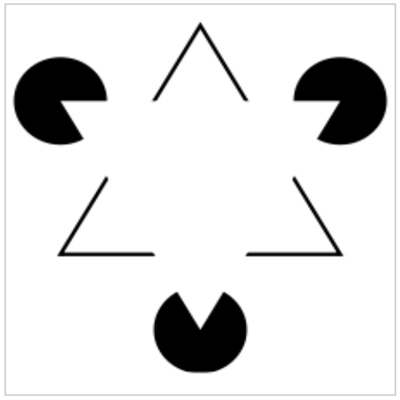
Ambiguous images are famous for inducing the phenomenon of multi-stable perception. This is when an image provides multiple, though stable, perceptions. Usually two images from one drawing, one image is perceived at a time, never the two images simultaneously. Veiled Truth is also a three dimensional optic that manipulates our sensory perception but with greater sophistication than an ambiguous image. When we see an image the first act of perception is to organise the image into identifiable groups. The simplest group consists of edges. On a 3D figure we first identify the edges and our brains connect the edges to conclude an identifiable form. When a pattern or form is perceived frequently it is stored in memory so that it can be recalled easily without the need to study in detail the entirety. The human form and the human face would be such frequently perceived patterns. This obeys what is now known as part of the Gestalt grouping rules where good continuation provides the visual system with a basis for identifying outlines and forms. Veiled Truth also obeys the Gestalt ideas of proximity where close similar objects are most likely to belong to the same group, here the folds of the veil. Perceived complete forms seen from a series of drawn fragments is best exampled by the Kanizsa Triangle. In this drawing the perception of two overlaid triangles on three circles is induced by a series of drawn fragments. Veiled Truth draws upon this emotive cognitive response to achieve transparency in the solid medium of marble.

In summation we have three known types of transparency. 

Literal Transparency this has a scientific definition and requires transparency or translucency within a material.

Phenomenal Transparency has an intellectual definition and is read through decoding information.

Emotive Transparency has an impassioned definition where the desire to see overrules the logic of seeing.

It saddens to concede that the craftsman’s skills of the past may never be revived and that we live in a culture that so undervalues such skill? Our instantly obtainable and so easily disposable digital culture has lost so much.

Images left to right.  1-5+7 Veiled Truth, Antonio Corradini (1688-1752).  6 Kanizsa Triangle

The Surrogate Twin

Posted on

150117 – Kinetic Fresco – London

​​​150117 – Kinetic Fresco – London > words

The forgotten techniques of Mannerism and Baroque.

Di sotto in sú 

Quadratura

Anamorphosis

Trompe-l’oeil 

Fresco and Fresco-secco

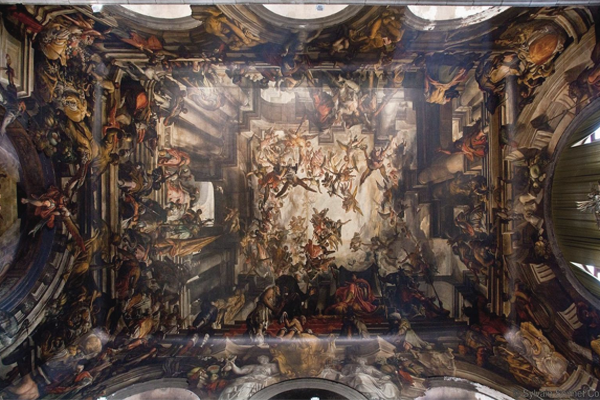
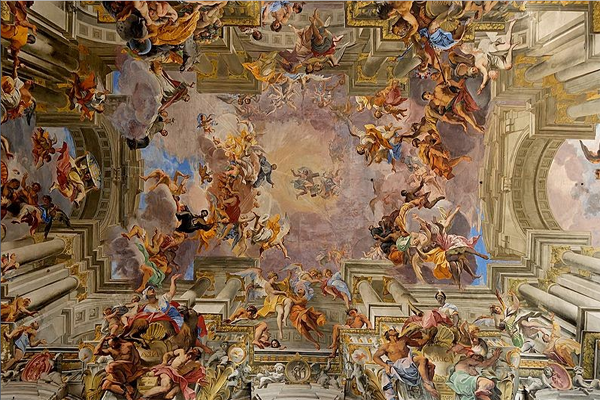
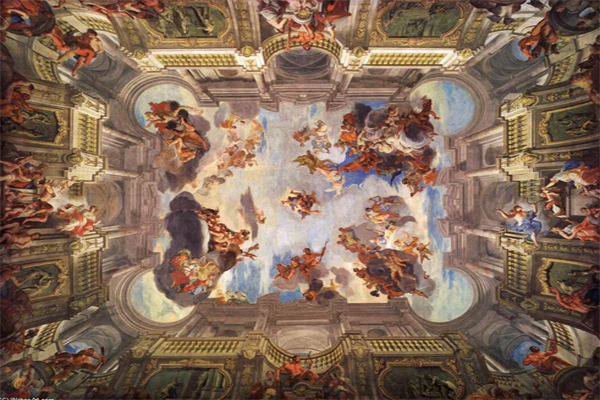
Perspective theories developed in the 17th century to a point where enclosed space could be opened up using illusionistic painting techniques. Walls and ceilings became surfaces that could be expanded into other fictional worlds. The techniques were adopted from the theatre and were often used to open up a space to the outside world typically with garden vistas or soaring skies. These fictional painted spaces contained other worlds that were often mythical or biblical. They were spaces in which to escape or to be reminded of ones humble place on earth, a space to explore but also an over looking space who’s inhabitants watch and judge. ‘As the gods look down’ the physical space is monitored by the fictional space. Story telling, myths and fables complete the interaction between the two spaces and the physical space becomes a transitional space to another world, a gateway. Religious spaces have often been rendered as such.

Trompe-l’oeil – Fresco is painted into plaster that is still wet (fresh) whilst fresco-secco is painted onto dry plaster. The technique for transferring the images to the plaster is dependent upon the type of fresco used. On fresco an outline drawing would be sketched on the under layer in a red pigment that then bled into the fresh top layer prior to pigmentation. In fresco-secco the drawings were transferred from paper sketches or cartoons in the same way as all large paintings were created. Outlines on the cartoon are pricked with a series of fine holes through which soot or chalk powder is rubbed to mark out the areas to paint. Fresco painting is a slow process with large ceilings and walls often taking years to complete. Once complete it is a static image, a static illusion.

The technique of Quadratura created single point spatial perspectives. This false architecture of perspective when painted onto a flat or shallow vaulted ceiling would continue the real architectural space. The perspective had one focal point and used foreshortening of figures, architectures and landscapes to create the illusion of a deeper space often opening to an infinite sky. Fresco painting is the technique ideally suited to the Grand Manner of the Baroque. The ambition of scale and subject complement the vast canvas of the walls and ceilings of the palaces of the nobility. Whole spaces were transformed as each enclosing surface was expanded with an illusionistic space. A dialogue would begin between each expanded space that conversed across the room and in so doing dragged the real world into the fictional and vice versa.

Baroque Quadratura was only convincing when standing at one point. Augmented and animated ceilings could shift this perspective as the viewer walked around the room. The shopping mall is already an augmented space, a real space overlaid with wireless fed information about products, information or events, a rich and dynamic multi-media experience. It will be interesting to see whether these augmented spaces develop into a new medium of spatial experience or whether they will remain merely as information overlay options to be turned on or off as desired. As virtual reality (VR) becomes mainstream, at first adopted for home and public entertainment, the overspill of this spatial type onto the city will create another layer to be explored by artists, architects and designers. Layering the fictional onto a real space, exploring time, place, sound and activity dislocation, the consequences of such experimentation are yet to be known. What is certain is that the augmented real space will be a hyper-real alternative to the space we experience today. The layering of the augmented onto the real will be read as one single spatial experience in the same way as the fictional ceiling frescos and real time volumes read as one space. What is new is that the augmented space will be dynamic and interactive and that we experience it in two ways, one as a space and two via a device. If there is a further layer of augmentation via a device, a cell phone, pad or wearable, a hybrid interpretation of space materialises. The space has a public domain and numerous subjective, simultaneous personal domains. The urban spaces of Tokyo, Hong Kong and Seoul, where walls of electronic media enclose public spaces, are a precursor of this spatial type. The information the media walls support is pragmatic and informative as opposed to purely cultural or experimental.

The 1990’s offered VR parallel worlds and the internet created cyberspace. Whilst VR is still waiting for technology to catch up and commercialise, cyber space has been domesticated, taken over by the big brands and normalised and is now little more than an ‘electronic suburb’ (Norman Klein). However within cyberspace new obsessions have emerged that create a constant and continuous dialogue between the data of cyberspace and occupied real space. Selfies, the use of GoPro or dog cams are all forms of video surveillance that turn real space into cyberspace. Cyberspace when recalled upon a device informs real space. Every real time object with embedded information becomes a cornerstone to cyberspace, simultaneously a three dimensional reality and a two dimensional on screen character. Once in cyberspace it can be edited, altered, layered with text of further information such as music or sound. It becomes something else, neither a copy nor an original, neither fact nor fiction. Space has never been experienced with this type of dynamic duality before.

When every object in a physical space has been embedded with some level of technological tangible interface the centralised computer becomes obsolete and a reader is all that is required. All of the surrounding physical space becomes part of the human computer interface. When tracking a users interface to provide localised information the users data is collected. Augmented space is both an experiential and monitored space (‘as the gods look down’ text from above). Augmented space is a 4D physical space (when 4D is 3D plus time) with an additional fifth dimension of information, a 5D space. Augmented space is never permanent and exists within a feedback loop. As information is collected and uploaded from interactions with the physical space the augmented space is modified to accommodate new incoming information that is in turn fed back to the physical space. Augmented space is therefore a space of collective learning and experiencing. At present the user needs an interface device to access and then interpret the augmented space. When the interface device is no longer electronic but biological it is feasible that collective learning or collective experiences could add a further perceptual dimension. The collective experience would have multiple experiential responses; these may be polar or assimilated into a generic.

With the augmented electronic space, the dynamic or kinetic fresco, choreography is added to the skills required of the electronic fresco painter. Unlike previous frescos, in the kinetic fresco every constant has been replaced by a variable and every variable is a fiction. In this world the image has a greater inherent value than the original, as the image is hyper-real, super-intense, edited and associative. The image is the myth that the object aspires to and possession of the object is the means of acquiring that myth. Through this image and its associative context the original object is loaded with additional values and aspirations and as such the real becomes more fictional. When the object is a space we inhabit and that space is further continuously augmented, updated and refined. The two spatial types, real and fictional are blended, their differences become indistinguishable, and we inhabit this new spatial type with blind religious fever.

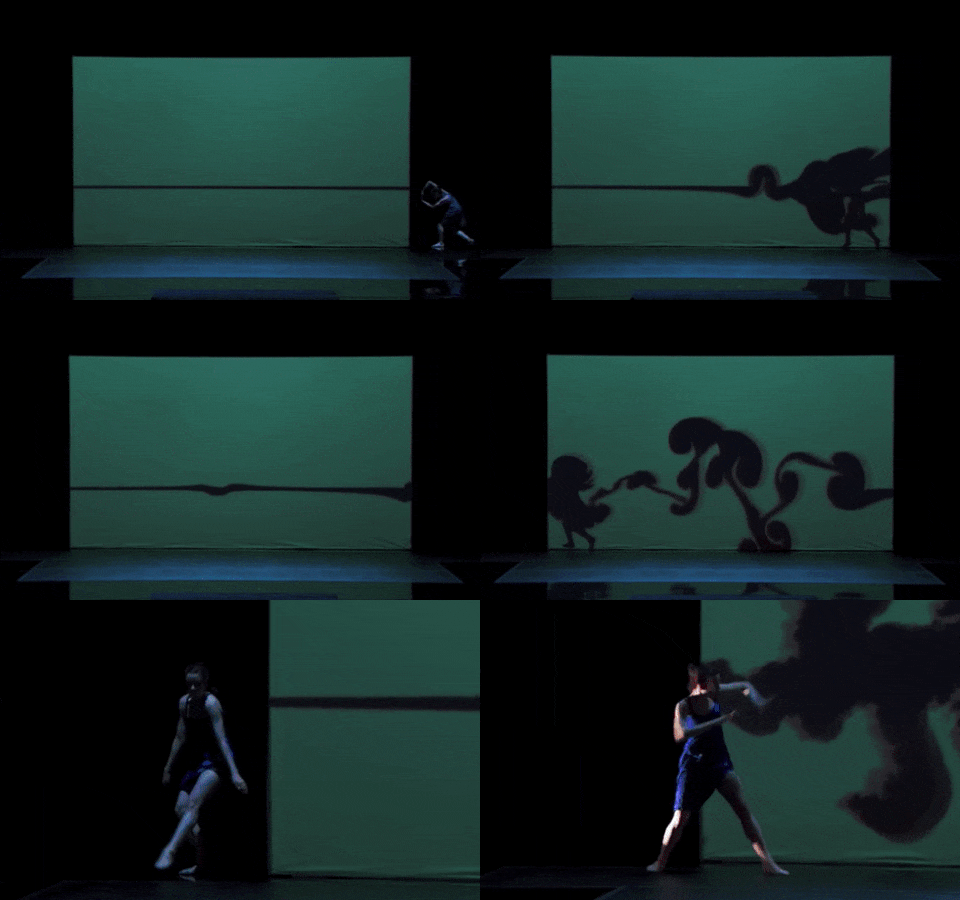
The Blue Journey dance performance (gif image four) is a work that consists of two elements that happen at different times and are then re-sequenced in the present. The backdrop is a pre-recorded animation that draws upon a limited pallet of black on blue (the work of choreographer David Middendorp). It is two-dimensional and flat, an animated picture plane presented as a vertical surface, as a border enclosing a real space, a boundary. The events on this flat animated space are fantastical, they defy gravity, have no fixed scale, they are able to morph in form, disappear and reappear, they can float, fly and become ephemeral. This fiction is a dream space edited and rehearsed, it tells a story, it is an animated locale, a fresco, a Trompe l Oeil. The fictional space is a space from the past, a historical space that has already happened elsewhere, perhaps only happened in the digital space of the computer screen. A transplanted fiction from another time and place. A space that never existed is presented as a spatial extension of the real.

The Blue Journey performance happens in real time in a physical space, the stage in front of the animated space and consists of a dance, a dialogue between two characters, over viewed by a third party, the animation. To cement the relationship between the performers and the backdrop, two events happening at separate times, the backdrop first takes the role of shadow to the performer. This is introduced simply, as the male dancer walks across the stage followed by his shadow. This simple act of walking with ones shadow apparently falling onto a wall sets the premise for the full extent of the credibility of the following journey. By locking these two dislocated movement pieces into one time frame, the fantastical and the real merge and a mythological landscape materialises. The boundary that contained the real world has been breached and space is extended into an animated augmented world. The transition is seamless; the audience are given no instruction other than this simple introduction that the shadow follows the walking male. This is all that was needed to link an imaginary world to the real world, to link two distinct time zones. When the female dancer begins to move she is beautiful, graceful and poetic, her shadow follows and the audience is dragged further into the illusion of synchronised time. Then the shadow stops, it no longer follows the dancer, but the idea of synchronised time is not lost as the audience is convinced that the shadow is that of another dancer working back stage. Not losing the illusion of synchronised time is essential to maintaining the extension of the real space into the fictional. 

The fact that this space is animated and choreographed gives it a power that traditional fresco was unable to achieve. The extended space becomes a walk into an occupied fictional space as opposed to the previously Mannerist viewed only space. It is important to note that this spatial extension has been achieved simply by silhouette, in a flattened two-tone, two-dimensional space. This is a space that never imitates the real and has none of the full richness of a Baroque Quadratura. In the Baroque, sculpture was often used as the transition from the real to the fantastical, a peripheral border linking the two worlds, sculpture as foreground, imaginary space as background. Sculpture was a static transition; its dynamic comes from gesture and association. Further movement of the viewer and the changing fall of shadow and light would animate the Baroque sculptural transition.

As the Blue Journey performance continues, the space of the fantastical begins to take over and separate from the real. The audience are drawn into the fictional animated space, as this (background) has greater dynamic than the real time performance (foreground). This shift in dynamic from real to fictional is essential for taking the eye from the real to the fantastical and this will be a key component of future augmented space. The Blue Journey animated space continues to increase the credible limits of fantasy as figures dissolve in mist, float without gravity, multiply instantaneously and eventually the silhouette dancers fall as if rain from the sky. The bonds between the real and imaginary are choreographed through sequencing, gesture and touch, keeping the two spaces locked in one time zone simultaneously happening in the present. This interaction is best exemplified when the dancer leaves the real world to join the animated world only to reappear back in the real. This seamless link of the real and fictional connects the two separate time and location zones in which each space was made into the one space of the present.

Future augmented space will explore the possibilities outlined above and as a consequence the delineation between what is real and imaginary will continue to evaporate. At the same time in a crowded world of physically finite space extended virtual space is infinite.

Images left to right. 1 Chiesa di San Pantaleone Venice – Gian Antonio Fumiani 1645-1710. 2 Chiesa di Sant’Ignazio, Rome – Andrea Pozzo 1642-1709, 3 Palace of Liechtenstein – Andrea Pozzo 1642-1709. 4 Blue Journey Dance.

The Surrogate Twin 

Posted on

291216 – Story Board – London, W2

​​​291216 – Story Board – London, W2 > words

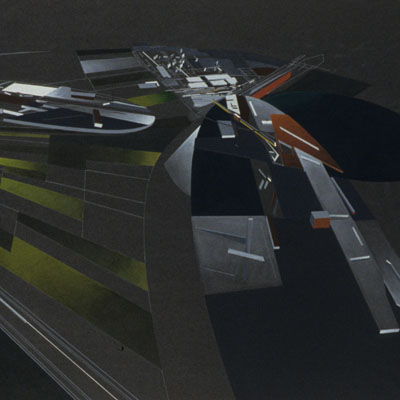
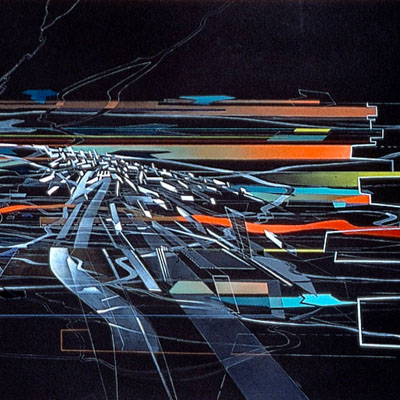
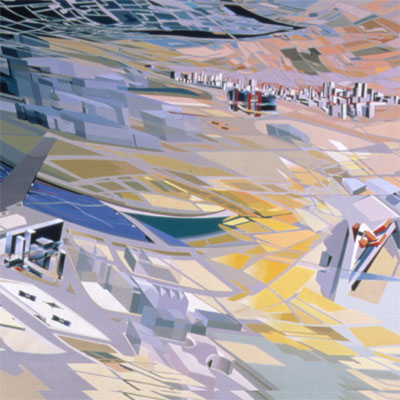
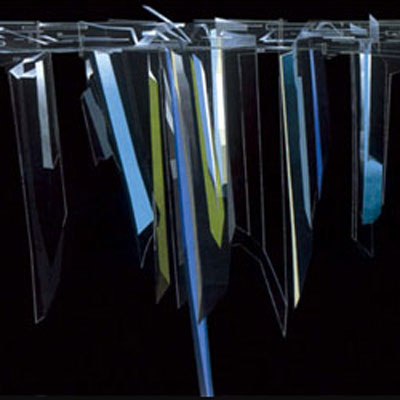
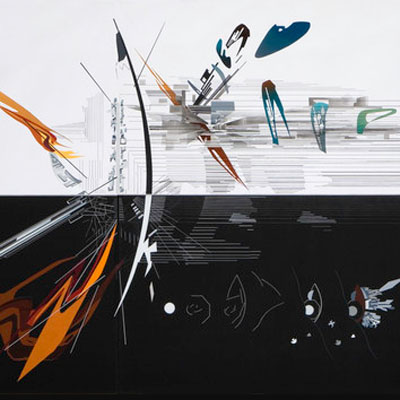
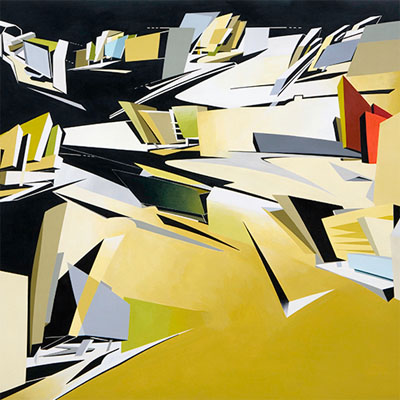
Zaha Hadid, paintings, The Serpentine Sackler Gallery. It is impossible not to reflect on the influence of the AA on architecture during the 1970’s. It has been over thirty years since I last saw these paintings and with retrospect the AA and Zaha’s work are impossible to separate. There is the influence of Tschumi, Koolhaas and Zenghelis all plain to see etched across each canvas. Each painting is multi layered, a storyboard that builds the presence of the idea for a building. The drawings are elaborate sketches, they are produced before, during and after a project. They do not conclude but are instead thoughts in progress with notes from the margins all overlaid. A drawing may have two or three perspectives. The same drawing may be redrawn, recomposed using a different colour palette. The painting is the storyboard of this process but it is also a stepping-stone, it surmises and collates ideas about a project to a point in time from which the next part of the journey may begin. The drawing collates and inspires, it is fluid, has calligraphic speed it is poignant and expectant.

Traditional architectural drawing is a static conclusion of the work to date, it is slow and time consuming to produce and the drawing process often does not keep pace with the thought or development process. Traditional working drawings are also very much about resolving issues, structure, services, composition, context or massing. Zaha’s drawings search more for feeling, they are more intuitive, where intuition is the combined reaction of knowledge and experience. The space is painted as a sequential viewing, forcing the viewer to move back and forth as if they were walking around a sculpture. 

But the paintings are also more than a storyboard. The shifting perspectives and the changing light capture the essence that space and time are intrinsically linked and that we experience space by walking through and around it. That space itself is a moving entity on a spinning planet orbiting a star that is its life-blood. As the space follows this trajectory it encompasses the diurnal range of light and dark, the seasonal range of hot and cold, wet and dry and the passage of time. The building ages and with aging its context is changed, both the historical context from which the space is viewed, the physical context in which the space is grounded and possibly also the utilitarian context in which the space is used. Through all these movements the space is slowly forever in constant flux.

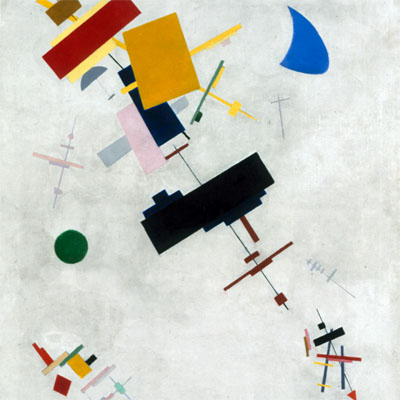
In Zaha’s paintings we can see the influence of Tschumi, where space and event are a symbiotic filmic sequence. The paintings are optimistic, devoid of history, forward looking. The drawings are also a way to focus and direct the conversation by editing out all that interferes. Block colour simplifies the context to hue, light, shade and mass. Poetic license allows for the sweeping statement and through the sweeping statement we have access to the vision of what could be. Whole urban landscapes simply become faceted planes into which insertions are made (Zenghelis again). Then there is Koolhaas and the link to the Suprematists, the block axonometric that rides up the page like a medieval perspective. The Malevich Tektonik, the colour bock composition.

These are drawings of initial ideas and sketches, intuitively procured and then elaborately drawn by teams. They are large drawings that take time to set up as each is not a single drawing but is made up of multiple layers and perspectives. Some take months, the Trafalgar drawings would be one such example. They depict the Trafalgar Square project over a 24hour period, they show the square by day and night, from the back and the front, from near and far, they have elements that are transparent as both the inside and the outside are viewed. Zaha’s exquisite ‘eye’ for composition gives the paintings credence and beauty. Zaha’s aesthetic skill is one that few can match across an oeuvre of work that transcends so many mediums and scales.

The paintings are without question beautiful and are now very much part of brand Zaha, they surmise the direction, aesthetic and aspirations set by the designer. As tools for communicating a project they require considerable decoding, they are an additional language one needs to learn to decipher. Within the historical context at a time when all is ephemeral, transitory and evolving at such pace building a static representation of the movements and energies that shape a site may be, at this point in time, a necessary response. To represent the fluid is to build with fluid forms.

See also text 310316 – Zaha Hadid – London.

Images left to right – Details from – 

1 Kazimir Malevich (1878-1935) 2-7 Zaha Hadid.

The Surrogate Twin
Posted on

231216 – Abstract Expressionism – Royal Academy, London W1J

​​​231216 – Abstract Expressionism – Royal Academy, London W1J > words

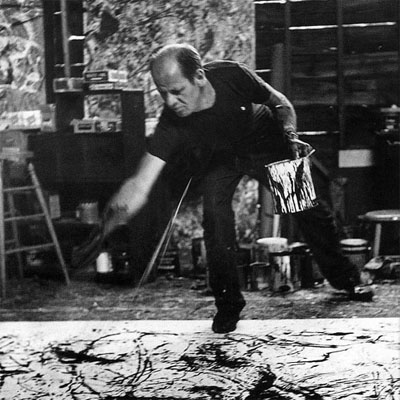
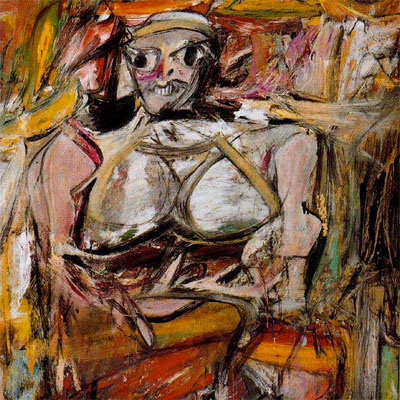
1946 with the World Wars over, Europe is on its knees, derelict and destitute, it fights for its own survival as it struggles to return back to normality. The mending journey would take 15-20 years, Europe then financially crippled, with a bombed out infrastructure, a severely diminished labour force and left with enormous US debt. America did well out of the wars, it found its second wind and with it grew to dominate world Industry and finance, oil and resources, media and politics and with this the world became more American. Excess was the consequence of this new found wealth, glamour shifts from Paris to 1950’s Hollywood, big dresses, 6m long cars, palace sized houses with full fridges the size of a British terrace house box room. America is a country confident in its newfound strength, it is brash, forward looking and opportunistic. Old world order is finally smashed, improvisation and experimentation is the order of the day, New York Jazz, Cigarettes, Beatniks and Abstract Expressionism. Coltrane, Kerouac and Pollock.

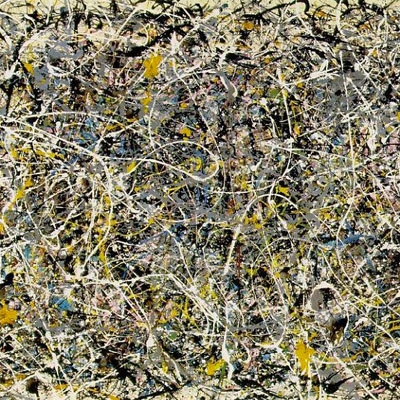
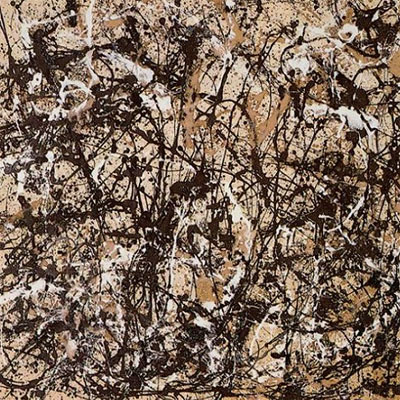
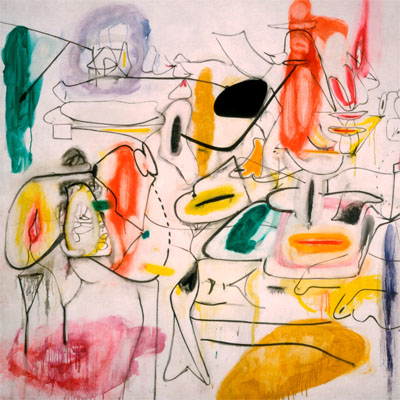
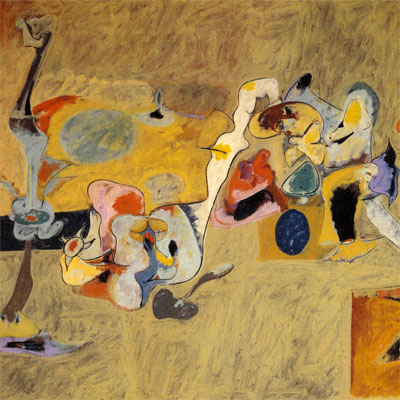
Spontaneous, subconscious, automatic art put New York at the centre of the 1940s and 1950’s contemporary art scene. The canvas, a space of enactment, an event captured and contained, where paint is liberated from the values of morality, politics and opinions. The studio floor replaces the easel, paint is dripped and splashed without traditional brushstrokes and all of their tonal values, the unstretched canvas is attacked from all sides. The very changes of approach and production influenced numerous painters for the following decades freeing up techniques and attitudes. Post War, when all progress that had preceded the wars led to catastrophe, new directions were unclear and could no longer be philosophically prescribed, experimentation was the only way forward.

Colours are players, sax and drums, swish, jab, scrape and slide, feel don’t think, move when it moves, beat and scale, adlib, react, follow its lead, let the conversation begin. Blue wipe shrill African forms, mud and primitive, primates on piano, beat the poet, open up within, express and distress, emotive control, follow the senses not the mind, staccato on a drip drip solo. Bohemian hedonists take their Naked Lunch, On The Road as The Dharma Burns, wave and overlay. “Angelheaded hipsters burning for the ancient heavenly connection to the starry dynamo in the machinery of night” Wet pavements and Greenwich neon, out there man, in the distant basement Howl like Ginsberg where the saxophone screams for those ‘Beat’ down. Build up the layers, colour on colour, a constant progression of an un-choreographed stooping dance. Flick flick and swing “tomorrow is a drag man,” “turn your eyes inside and……..dig the vacuum.”

231216. The Abstract Expressionism collection on display at the Royal Academy was a once in a lifetime opportunity to see so many influential works together in one extensive exhibition. The work on display is of the most influential of the period, it is simply incredible, the show, sadly is not. The RA has long been a dusty old backwater forever waiting for a well-needed rejuvenation. Whether this has been due to decrepit internal politics, lack of confidence, vision or simply lack of ability is uncertain. The Abstract Expressionism exhibition is the most undersold show of extraordinary art works ever to be seen. We spent as much time redesigning it room by room as we did looking at the work on display. When one recalls and compares this to recent V&A shows, such as Alexander McQueen-Savage Beauty, the Abstract Expressionism exhibition is a national embarrassment delivered with colloquial intellectual myopia. Everything was wrong, the design, the lighting, the pace, the grammar, the composition, the juxtaposition and the grouping. How can an art based institution put on an international exhibition with such banal mediocrity. Dear RA if you ever have the opportunity to put on such an exhibition again or even if you wish to do a post mortem on this exhibition as it comes to a close please email as you need help and this is not difficult work.

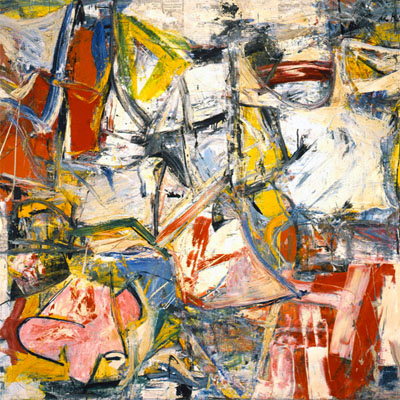
Images left to right. 1-3 Jackson Pollock, 4-5 Willem De Kooning, 6-7 Arshile Gorky.

Further recommended links

Coltrane and Pollock

Beatnik Poetry

The Surrogate Twin
Posted on

211216 – Electronic Gallery – London c06/1992

​​​211216 – Electronic Gallery – London c06/1992 > words

Flock Project June 1992.

Invented in 1904 the air curtain is a pragmatic form of invisible non-material boundary. A sheet of energy separates two temperature zones with a fast moving airflow screen preventing the internal and external air pressure from equalising. The air curtain is a primitive form of invisible architecture, a type of force field protecting an interior enclosure.

In the late 1960’s the work of Super Studio montaged an architecture that had been reduced to pure energy, there are no buildings or monuments, no borders or boundaries but instead environs that facilitate and enable life. These were politically conceptual projects conceived for an idealised continuous space, the space of John Lennon’s 1971 Imagine.

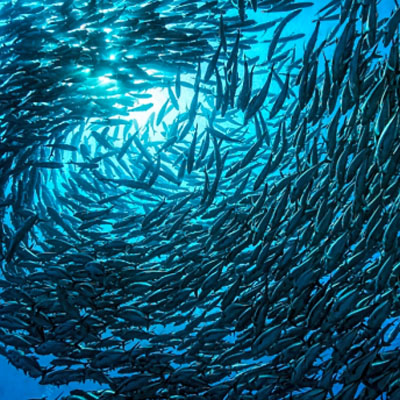
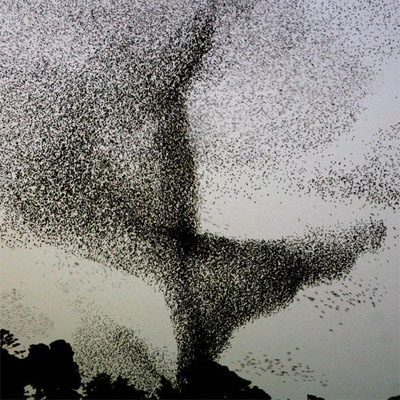
Architecture is organised simplistically, usually with serve and servile zones punctuated by service cores that provide for and support programmes. It is possible to organise a more liberal architecture directly from the programme by deconstructing, re-writing and overlapping programmes. Destructed programmes form compositions that are multi-layered like a musical score, the resulting spaces more liquid and transitory. Flock swarming or fish schooling describe types of organised collective motion of numerous individual members that move as a combined whole. This is usually used as a means of defence by magnifying the spatial consequence of the colony. The flock or school move together with equal speed and direction, instantly and collectively responding to events, actions and dangers. The swarm or school is a kinetic spatial organisational system producing a fluctuating architecture appropriate for software driven spatial typologies.

The Light Flute was an initial experimental maquette, it was deliberately shaped like a flute, one end was held and from the other streamed ‘notes’. The ‘notes’ were interchangeable transparencies on stems. Hold the Light Flute to the sun and light through the transparencies modulates the physical space upon which the light falls. The purpose of the Light Flute was not to throw image onto surface, although that was part of its function, but instead to represent the dualism within the concept. When the Light Flute was offered to someone, they would hold it, study it, enquire about its purpose but almost always eventually hold the Light Flute to their mouths and mimic playing. Here without any causal or rational reason an object had directed the behaviour of the user. The Light Flute is an instrument that both modulated space and behaviour. The Electronic Gallery is a larger instrument of the same type.

Film space is an instantaneous scale less space, it can compress and extend time, slow it down and speed it up, it can advance or recede the picture plane expanding and collapsing our perceived physical enclosure. In film space the subject may be viewed simultaneously from several directions, close up or from afar and as such it portrays space as a group activity or a collective Borg experience. The space may also be described by the experience of the subject, the dog running through the woods, the bullet cartridge being discovered. Film space plays forwards and backwards, it loops and replays, it zooms in and out, becomes focussed an unfocussed, it can be colour intense or de-saturated. Film space is a constantly narrated and orchestrated space, well edited and cropped, perfect, hyper-real as it makes public the most intimate whilst normalising the most brutal. Film space is a ride, the viewer is carried through a sequence of pre-determined events, shown what to see, when to laugh, when to walk away. The space is shared, emotions shared, fear as a group activity, we are dragged into the fight; we stand alongside the assailants, within the circle of aggression. The viewer experiences the car chase, the motorbike ride, the crash and the inevitable recurring death. The death can be experienced from inside the subject, as all focus is lost, eyes slowly close and the skies turn black. Through constant saturation we have become immune to film space we accept it as a normal interpretation of physical space, yet it is nothing like the real space we inhabit.

The Electronic Gallery set out to explore the impasse between our understandings of film space and physical space, between conceptual synthetic space and real space. It set out to explore the synchronistic potentials within the simultaneous experience of both spatial types. The Electronic Gallery reinterprets a real time walk by wrapping it in a swarm of choreographed spatial sequencing. The brief questioned both the cinema and the traditional gallery as an appropriate typology, it made a pragmatic shortcut into an abstract meander with a spliced array of alternative spatial experiences en route. The architecture was to be reduced to the liquid medium of film. There are no service cores, no secondary programmes, there is no enclosure and the structure is removed from the immediate spatial experience. Each picture plane, a two-dimensional surface, becomes a tesseract of evolving spatial types working in isolation or together as a hive mind collective. The synthetic space of the picture plane modifies the physical space through its discourse. A building consists of hardware and software, form and event, the Electronic Gallery moves towards the presentation of pure software, the space as energy, liquid, volatile, a womb or an abyss. 

The space of fire is a space created by pure energy, it has its own dynamic, is self-forming, it is not a space of enclosure, skin or structure. The Electronic Gallery is a self-morphing space fuelled by the energy of information, sequenced interactive software. It can be fire, water or woods, it can be macro or micro, inter planetary travel or journeys through nano landscapes. The space can be subjective and personal, augmented solely for private consumption. As architecture becomes more kinetic, responsive, space modulating, the system that organises it will need to be more fluid. The Electronic Gallery would be an ongoing experiment, an instrument, a spatial research tool for assessing space-time juxtapositions.

Synthetic space is a timeless medium, it can represent a space that is happening elsewhere simultaneously, represent a space that happened several years previously or be a space that has never existed at all. In it one can listen to spaces from other times, smell fields and factories, interact with it, push through the synthetic forest to discover past or future worlds. In synthetic space the real world has been decontextualized, manipulated, edited, tempered. This hyper-real intensity makes the synthetic space more real, more violent, more exotic. There is a constant dialogue and discourse between real and synthetic space, as synthetic space intensifies to become more real, real space emulates it to catch up. The fictional and the real interact, one directs the other. As real space tries to imitate its super-intense fictional counter part, the fictional space increases its intensity to further distance the real. The fictional synthetic space has been edited and recomposed to deliver hyper-real intensity. One subjectively and subconsciously edits real space-time to align with the concepts and expectations of constructed synthetic space-time. Real and synthetic are mutually interactive, influential and directive this is a self-propelling cultural relay loop.

The early maquettes of the Electronic Gallery explored the spatial ideas of swarm organisation and were left clear. Other early maquettes employed the use of a previously created synthetic space, Peter Paul Rubens (1577-1640) paintings of Marie de Medici, Queen of France. These were painted as a series of twenty-four four meter high frames that depict events throughout the Queen’s life; by default they incorporate time and could easily have been a storyboard for a film and of course they were pure fiction. Marie de Medici was an unremarkable person with an unexceptional life. Rubens paints her as a divinity taught by the Gods, a French heroine of extraordinary adventures, noble deeds and fearless undertakings. Thus immortalised this is the image that history adopts and with the adoption of the myth her real world powers increase.

In a world that is a copy of a copy of a copy, that is simulated and re-assimilated there is little attachment to anything natural. i.e. strawberries not tasting like strawberry drinks, that in turn make suppliers genetically modify strawberries to taste more like strawberry drinks. This is our world, the world in which we live and architecture and film should explore this space.

See also Fruit Pastels 161216

Images Left to Right. 1 Herrings School, 2-6 Electronic Gallery, 7 Starlings flock.

The Surrogate Twin
Posted on

​​121116 – Rauschenberg Static – Tate Modern, London SE1

​​121116 – Rauschenberg Static – Tate Modern, London SE1 > words

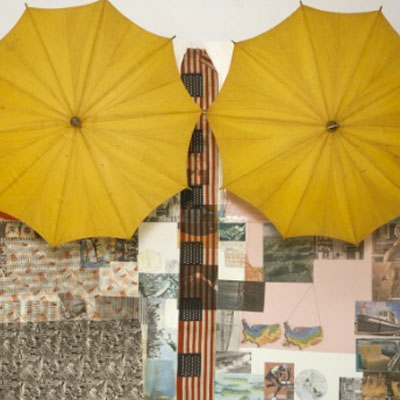
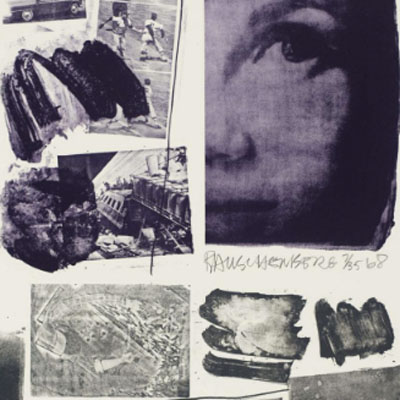
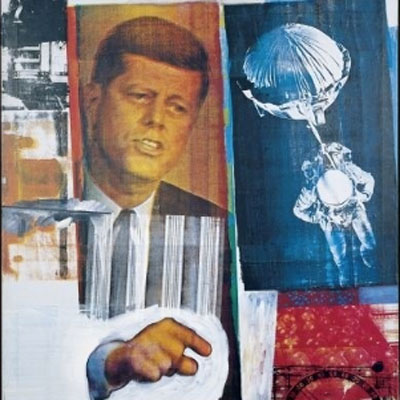
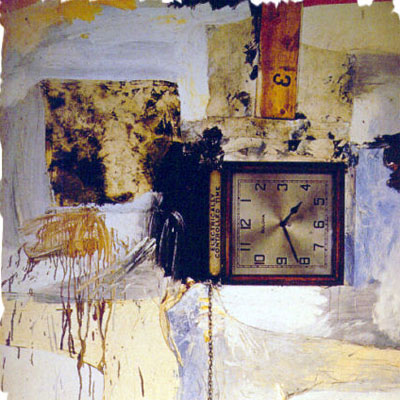
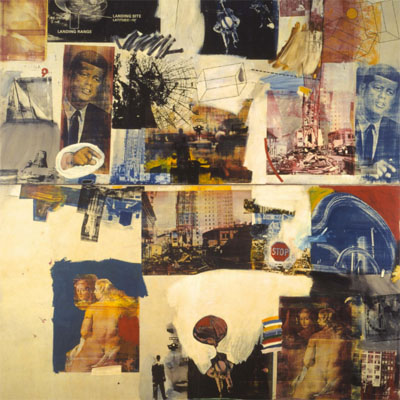
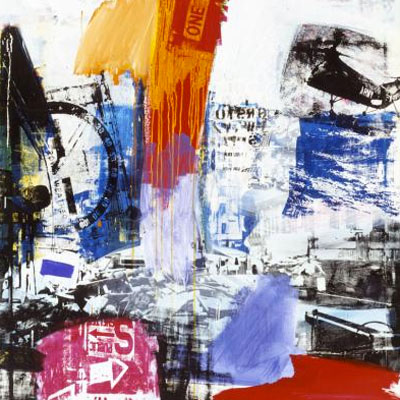
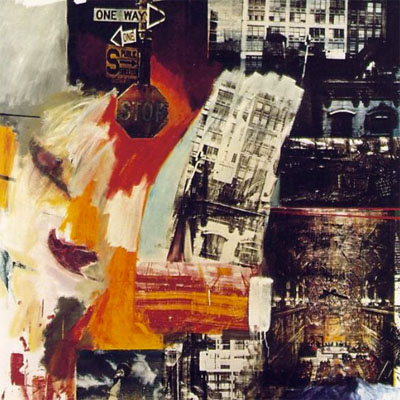
The radio is stuck between channels in the vacuum not yet immersed with signals. In and out of range drift the nearest stations as if somehow the wind blows one nearer or further from the receiver. This ether, the zone between, is the static of the yet to be known. It is outside of my control and its sequence as yet unwritten. A blues riff can be heard then silence, a rose tinted love ballad, a news clip about rockets, war and space, an ad for soap, celebrity gossip then more interference. Over this I hear a distant aircraft, a clanking metal fence and the wind through the trees. If one could capture ten minutes of this static and compress it to a picture plane, the space created would be a Rauschenberg. It is the space of here and now, the space of today made from the fragments of memories and experiences of the moments that make that period of time. This compressed picture plane recalls events, the word recall is subjective as we chose what we recall, good and bad, relevant or pointless. We weigh each of these clips, some monotone, some vibrant, some clear and over powering and compose them. There is no one concluding narrative, no story to tell, just a period of time taken from the confused discarded past in which we lived.

Place and event was never the picture perfect still photograph. We never occupied the conventional photographic space as it cuts a slice of space-time that is far too thin and too precise. We instead inhabited the woolly blur of a past that was driven by choice in a space that was determined by others. The consequence of these events with all their spontaneity and contradictions, neither controlled or ordered, not random or improvised but somewhere in between are captured on a Rauschenberg canvas. In Rauschenberg’s work there are overlaps and confusions, there are sharp and blurred edges, some images stand clear in the void, clear in the static, but there is always impurity. These compressed picture planes are hypersensitive screens or filters offered up for others to interpret. The art interacts with the viewer, the observer, through their own subjective valuation of image and their associated recall. The art further interacts with the viewer by having objects jump off of the picture plane and into the space of the gallery. The office fan or the taxidermy bird sit in the real space of the gallery in front of the compressed space of the picture plane but physically tied back to it, part of it.

To my students I would say that Robert Rauschenberg and Andy Warhol were the last relevant artists where arts role was to mirror life. Art as commentary or as the conscience of society in which the artist lives, a mirror to the world, real or metaphorical. Rauschenberg described himself as a reporter. Art beyond this date becomes something else as it is so closely linked to popular and celebrity culture its only objective is to garner fame and capital. It has become a brand-based commodity.

In the era of mass communication where the airwaves are saturated by TV, radio, advertising, newspapers, comics, fiction, and film, one can flip through channels as easy as turning pages, but the meaning is lost. A war is represented with the same emphasis as the coke bottle. Genocide and washing powder have equal footing, or a story about genocide is repetitively interrupted by adverts about washing powder and this makes for a very strange world. With time reality, fact, fiction and ultimately values become blurred. When constantly experiencing the world through the third person, the mediums of communication, everything turns to fiction. In this world without scale, where fragments are de and re-contextualised, associations enable a wide subjective interpretation of fact. Marketing collates the majority subjective interpretation and helps establish this as a mainstream truth. The world is collaged, condensed and flattened, subjective emphasis helps enhance the story we wish to read, the image we wish to see. Rauschenberg’s work dives straight into this static, where meaning through association are loaded and biased. A world where careful editing may re-write history but here it represents an existential world where there is neither right or good, it is just there. 

The narrative in a figurative painting tells a constant story to those enabled, through education, to read its signs and symbols. Semantic content is made lucid through the use of composition, light and line. The meaning is the mere assemblage of its parts. The collage is non-directional. It first presents itself as a texture in which one can recognise familiar occurrences. These recognised occurrences are strung together with a subjective construal based upon personal values. The collage may tell differing stories to its varied audience but more appropriately the collage is how we receive information in a world of mass media. Time is no longer linear but fragmented, scale less, fed to us in clips, with each clip already removed from its original source by framing, speed, saturation or some other form of manipulation. In Rauschenberg’s world this representation of space-time is not only recorded by the use of image but also equally represented by artefact, the found and the discarded. In any existential art there is, by definition, no moral or meaning it just exits. Perhaps this is why art after this period seeks accreditation through popular appeal and capital valuation. 

On 041216 to see the Rauschenberg exhibition at the Tate Modern held an unexpected surprise. The compressed picture plane in combination with the use of ready mades that free stand within the gallery space had the most unexpected presence. The Rauschenberg two-dimensional work captures a pocket of space-time from a now distant time zone, this is a painterly space, a virtual world. The ready mades sit in the gallery in real time, they invite the viewer to interact, they are part of the viewers space occupied in the present. Working elements such as lights and fans enforce the suggestion of occupied present time. This space immediately in front of the picture plane forms a transition zone an area of space that is the ‘in between’, both part of the virtual world and part of the real world and simultaneously part of the 1960’s/70’s and part of the present. The effect is subtle but a precursor for the new spatial type that we experience regularly today and will become a more prominent spatial type as VR increases in mainstream usage. For now we’ll call this space Wii space after the computer game, as this is the most obvious dislocation between inhabited and experienced space. Where the inhabited space is physical and in the present and the experienced space is virtual either purely virtual or jointly occupied by other users that could be located geographically anywhere. Augmented space explorers such as the Pokemon player inhabit this zone. Platforms such as Improbable SpatialOS (recently bought by Google), where infinite virtual worlds sit within the cloud, these can be simultaneously occupied by thousands of users and will soon become everyday.

As we spend forever higher proportions of our time occupying semi virtual space with new markets and experiences opening up within the created virtual worlds, we continue to occupy the ‘between zone’ or ‘Wii space’ and become ever more divorced from reality. In many ways urban life has already moved us one step from natures reality. We occupy cinemas, libraries, retail parks, offices and stadiums, each focused on an isolated activity often deliberately escapist and unworldly. We move between these disconnected spaces without a second thought, out of the cinema, across the transportation zone, into the café, where each space is given a specific activity and purpose. We forever continue to compartmentalise and subdivide and with each subdivision the transition from each spatial type to the next becomes absorbed as normality. Natures space is continuous and fluid, perhaps it is this lack of subdivision that makes natures space so daunting as we prefer everything boxed and mono-purposed. Our very idea of order begins first with compartmentalisation something so very alien to symbiotic nature and now so irrelevant in a world that is becoming ever more interconnected.

Rauschenberg’s work was never constructed to offer solutions or critiques it simply captures a period of time, with all its influences and confusions, and simply reflects that this is ‘us’ now.

The Surrogate Twin
Posted on

​​101116 – Caravaggesques – National Gallery, London WC2

​​101116 – Caravaggesques – National Gallery, London WC2 > words

Beyond Caravaggio at The National Gallery.

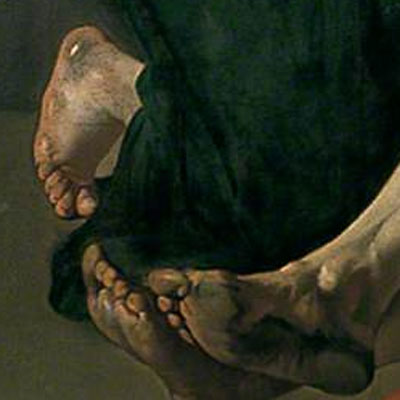
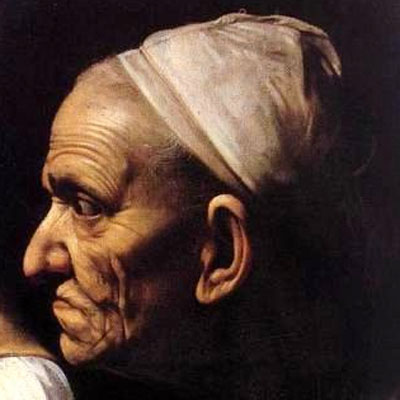
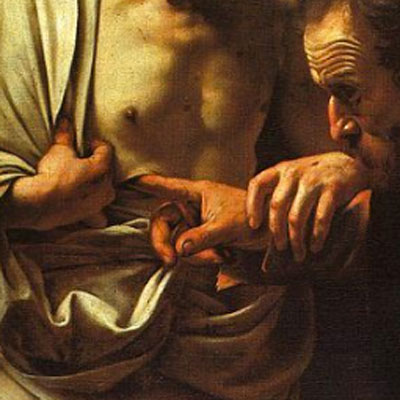
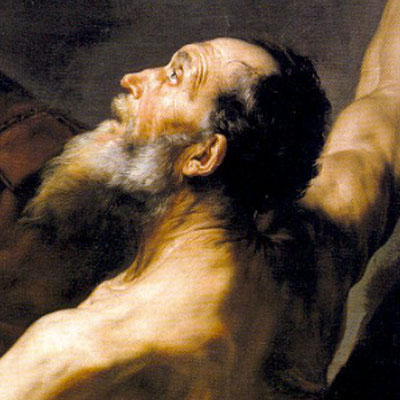
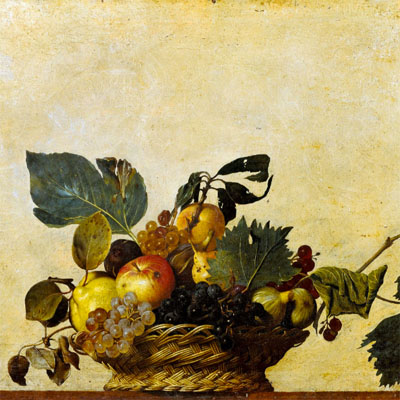
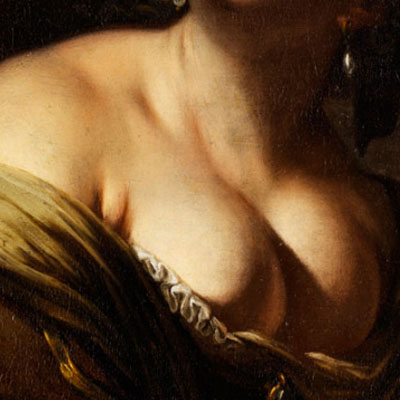
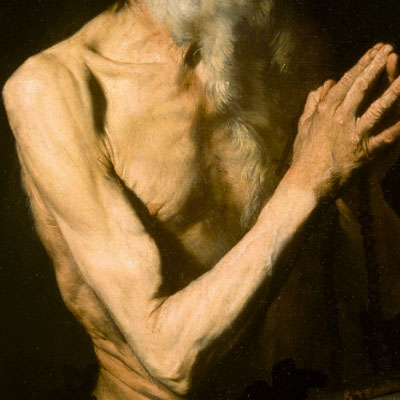
The impact of Caravaggio’s painting in the early 17th century was both profound and brief, lasting approximately 30 years. Numerous artists admired and copied his work and style. The accepted idealised images to be used in paintings containing concepts of perfection and beauty are laid aside for the grubby reality of the poverty and muck of Rome. Artists from Italy, France and the Netherlands indulged in this newfound realism in which light and drapery are used to emphasise and frame the narrative. Street vendors in contemporary costumes take their place in the epic scriptural paintings of the Baroque. Biblical stories painted with graphic contemporary realism in the taverns, basements and the back streets of Rome. 

Caravaggio is a favourite artist and the Caravaggesques are worthy disciples of the chiaroscuro techniques that give this style such drama. The work is well covered both in exhibition reviews and conventional art and bibliographical text so I won’t elaborate further here. Instead I enjoy and offer seven fragments of life, grime and suffering.

The Surrogate Twin
Images left to right, details only

  • Dirck van Baburen (1595-1624). Cimon and Pero (Roman Charity). 1622
  • Michelangelo Merigi da Caravaggio (1571-1610). Judith Beheading Holofernes, 1598
  • Michelangelo Merigi da Caravaggio (1571-1610). The Incredulity Of St Thomas, 1601
  • Jusepe De Ribera (1591-1652). The Martyrdom Of Saint Bartholomew, 1634
  • Michelangelo Merigi da Caravaggio (1571-1610). Basket Of Fruit, 1599
  • Artemisia Gentileschi (1593-1656). Catherine Of Alexandria, 1635
  • Jusepe De Ribera (1591-1652). Saint Onupbrius, 1630

Posted on

120816 – Sensuality – Tate Modern, London SE1

​120816 – Sensuality – Tate Modern, London SE1 > words

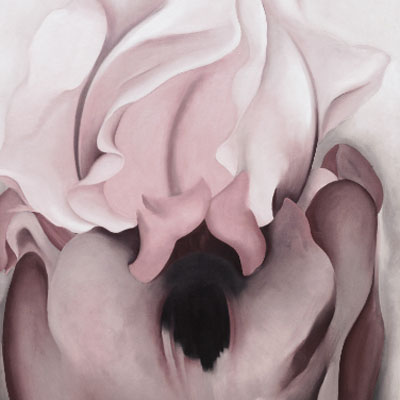
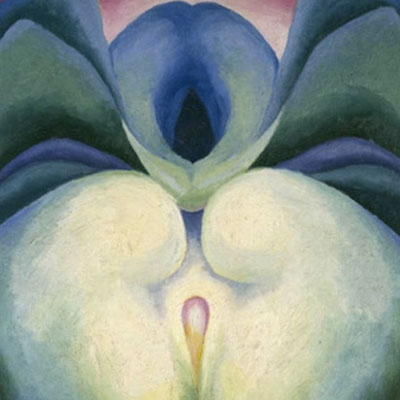
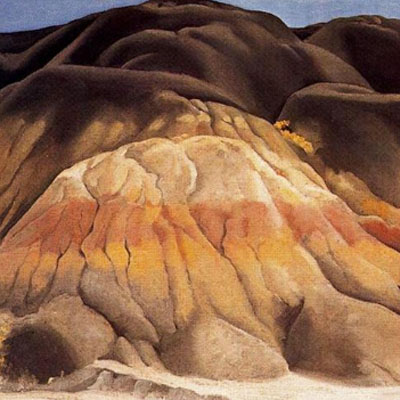
I went to the Tate Modern to see the Georgia O’Keeffe exhibition with a pre-conceived idea of her work that of harmless and pleasing a kind of painterly lift music, distinctly background, the bedroom wall poster. The paintings are flat and have a pasty opacity, shadows are blended, ironed out to avoid all sharp edges, the surface wallows like ripples on a still pond. Distance is suppressed, with foreground and background given equal focus and intensity, the canvas filled equally from corner to corner. Yet I found the work surprisingly haunting for a range of unexpected and difficult to explain reasons.
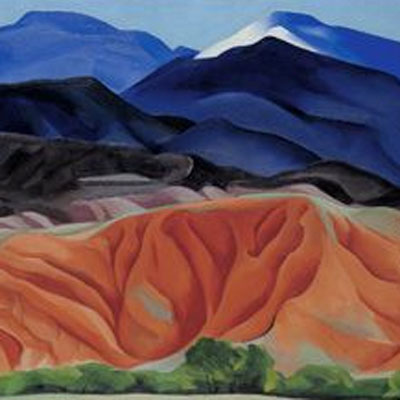
Firstly it is not unlike the work of Giorgio De Chirico, those eternal melancholic empty spaces, the girl with the hoop crossing an empty piazza, the loggia curtain blown open somehow without wind, the endless silence, the breath drawing stillness. Here instead of the classical Italian urban cityscape Georgia O’Keeffe applies similar techniques to the vast open landscapes of the American southwest. Both are painted as stage sets, a stylised empty eternity in which to experience total solitude.
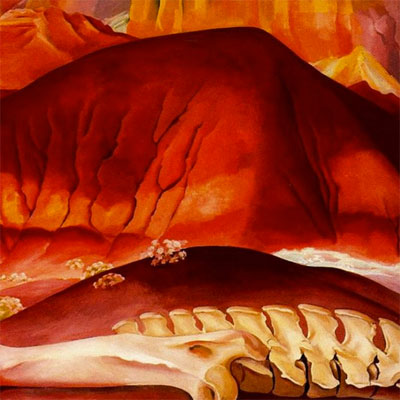
Second was a reference to the surrealist’s with juxtaposed images at changing scales, a petal, a horse skull and a mountain all laid on top of one another. Unlike the surrealist work where the juxtapositions are part of a deliberate means of communication here the juxtapositions are incidental to the totality of the painting that is of one thing, the landscape. Within the vast barren landscapes the blossom, the horse’s skull and the distant mountain range are of equal value and sit together balanced within the composition.

Thirdly the overtly female sensuality of all of the paintings, they are not erotic but corporeal, bodily. The curves are female, of which creases in skin, folds in a torso can be seen in mountain ranges, rivers and ravines or blossoms. There is a closeness and an intimacy, a simplistic understanding reduced to the essence of colour and form, a sexual confidence expressed as if all is female.

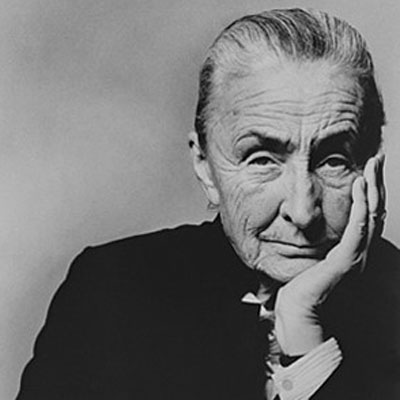
Fourth Georgia O’Keeffe lived an incredible life outside of the context of her time. Her work shows no reference to The Great Depression, two World Wars, The Cold War, it is as if none of these existed in her blissful serene New Mexico hacienda, with her full time gardener and cook. It is almost as if no-one else on the planet exists just her and her beloved landscape and you can feel the love for the adobe and the locale with its endless plains, its sunsets and its native laws. She was an incredibly elegant woman with a prairie style similar to that explored by Ralph Lauren but here it meets the Hispanic Native Indian. She was confident and independent a true woman of the 1920’s and 30’s living a self-governing and idealised life outside of the system and commentating through painting on all she saw, an envious position indeed with her life on the desert plain under the lilac New Mexico sky.

Georgia O’Keeffe’s work was hauntingly intriguing but her life was extraordinary.

The Surrogate Twin