Posted on

160716 – The Velites on The Wall – Northumbria, NE47

​160716 – The Velites on The Wall – Northumbria, NE47 > words

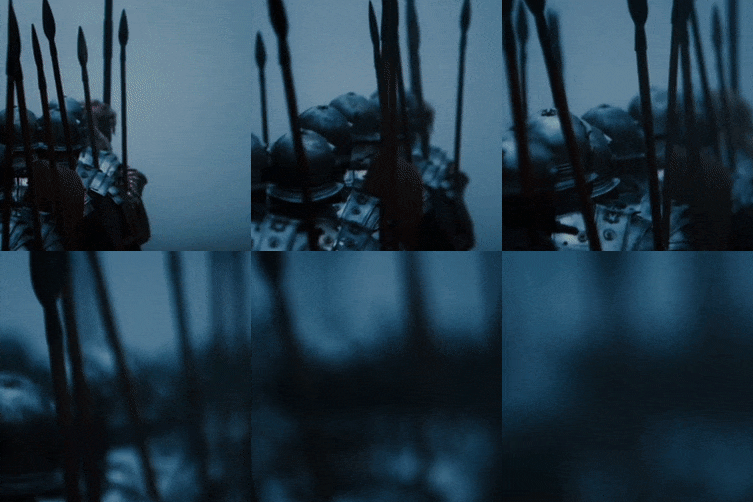
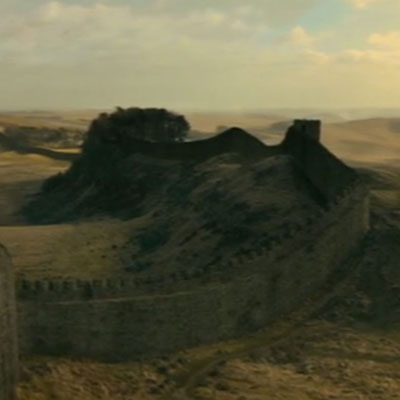
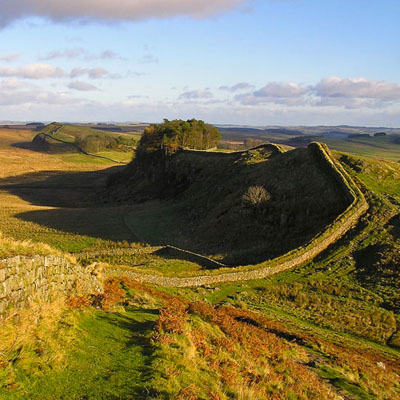
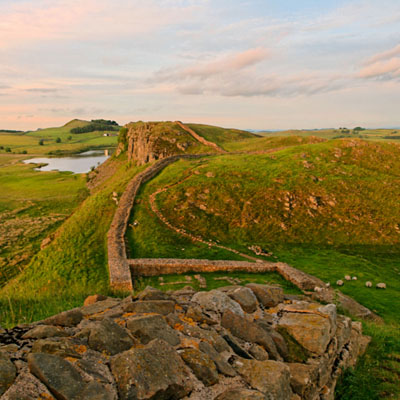
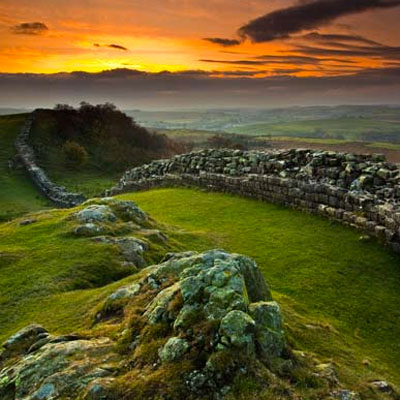
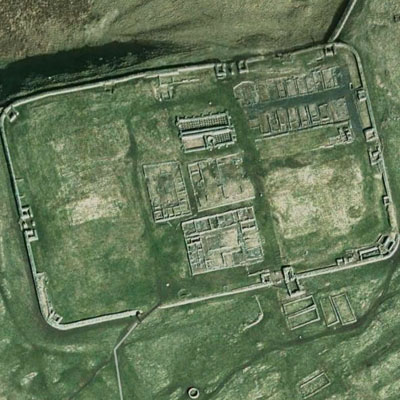
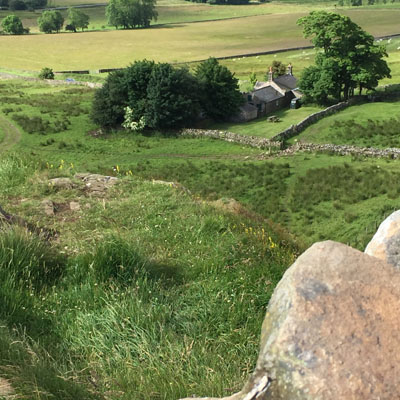
On our second day at The Bothy, we wake to a morning mist falling over the lazy dormant landscape stretching to a horizon of soft rolling hills dotted with woodlands and glades. Sheep bleat their way through the reeds looking for new grass as the sun lays its early morning haze onto dewy ground. The blissful silence is broken by marching feet and angry voices speaking in Latin and Greek. It is one of the auxillia regiments from the mile-castle west of The Bothy inspecting the wall for damage or traversing. The year is 128AD. It has been eight years since the loss of the IX Legion, 5000 fully trained soldiers that had marched North never to be seen again. One of the greatest losses of The Roman Empire and a shame that Hadrian and the Roman Consulates could not bear. Hadrian ordered the building of a wall to stretch from The Solway Firth on the banks of the Irish Sea in the west to the River Tyne on the North Sea to the east. Work started in 122AD and most of it is now complete. Hadrian’s Wall the northern most point of the conquered civilised world, the edge of an Empire, beyond it the barbarian Druid hordes.

The auxilia are a lower regiment and are made up of volunteers from the countries within the conquered Empire, their uniforms are a hybrid of homeland and Roman they retain their traditional weapons and fighting skills. These are mercenaries on a high-risk twenty-five year conscription working for low pay and the promise of the coveted Roman Citizenship. In this regiment we can see sling throwers from Greece, archers with their composite bows from Syria and club bearers from Germany. The Auxlilia are made up of the lower ranks, the ones that man the wall and deal with the day to day skirmishes, the front line, the untrained raw brawlers. They are paid less than a third of the Legionnaire’s salary but their soldier’s life is still better than it would be as a civilian.

The Legions, each at least 5000 strong, are now housed in forts south of the vellum or in the outposts north of the wall. The Legionnaire’s are all Roman Citizens often elites building their military CV before entering a life of politics and administration, they are professional highly trained soldiers and can look forward to a good salary and pension. The legions consist of heavy and light cavalry, cohorts of infantrymen, hastati and triarii along with engineers, builders and craftsmen. The success of the Roman Empire has been pa

Posted on

240616 – Brexit – London

240616 – Brexit – London > words

Monday is market day, farmers from the surrounding areas are bringing their goods to the Spanish village market to sell. Spain is a country torn apart by two political parties. General Franco leads the Nationalist Fascists against the Socialist Republican Government.

At 4.30pm on a sunny afternoon a solitary plane flies over the market town and drops six bombs. Panic ensues as the buildings collapse to rubble. Terrified civilians, mainly women and children, run into the streets, by now the rest of the Luftwaffe Condor squadron has arrived opening with machine gun fire. As the villagers lay dying in the streets the Luftwaffe drop waves of incendiary bombs turning the village into a blazing inferno. The bombing continued for two hours. General Franco had ordered this bombing of his own people as part of a campaign to terrorise the civilians into submission and conformity. Thousands of innocent people die but then this is politics 1930’s style and as history confirms this was just a warm up for what was about to follow.

Manipulating the masses using populist opinion and irresponsible media to benefit the personal agendas of a selfish few is not the way to run a country.

This is the village Guernica Spain on 26th of April 1937.

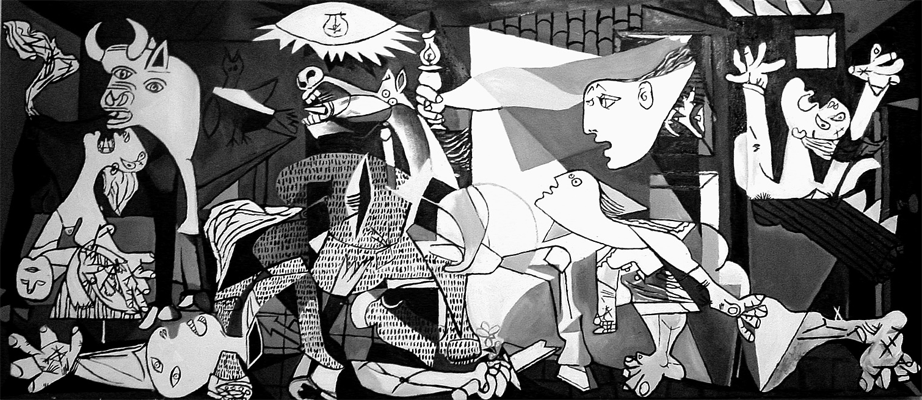
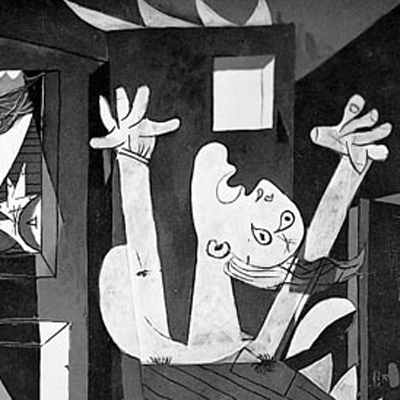
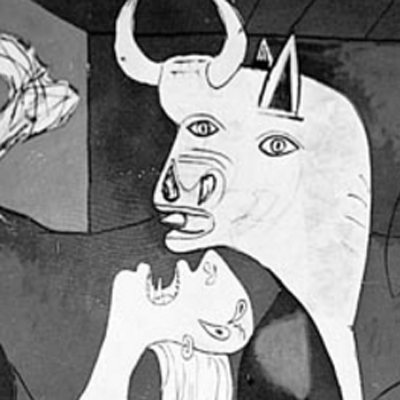
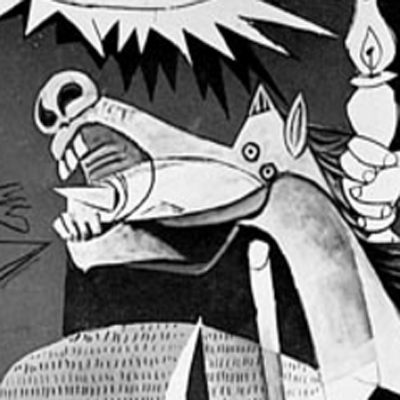
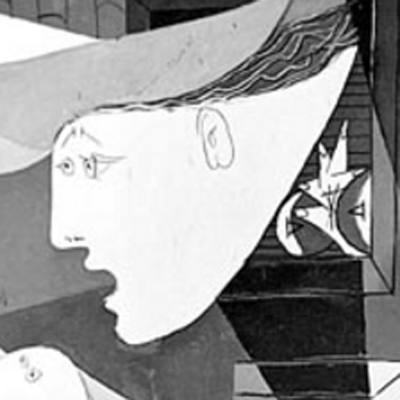
In Paris an artist works in his studio on a 7.8m by 3.5m mural produced with a palette of greys, blacks and whites. The mural is for the Spanish Pavilion and is to be shown at the Paris International Exhibition of July 1937. The black and white canvas has the immediacy of a photograph, its contents a chaos of suffering, there is fire, anguish and incredulity. A horse screams with daggered tongue, a mother cries holding her dead child. The only hope is offered is from a small candle but this is powerless under the light of the all seeing eye. The composition of chaos is split with a central pyramid of disbelief, to the left a Spanish bull, to the right a burning woman. It represents a country divided into two equal but broken halves. Newspaper text forms a visual static, it offers no clarity or legible explanation. The canvass writes a message of doom, all that is loved is going to be lost. The painting would go on to endure as a symbol for an appalled humanity at the devastation of war. The artist was Pablo Picasso and his assistant Dora Maar. 

This is Guernica the painting of 4th June 1937.

In London I wake to a country torn in half, to the right there are nationalist protectionists and on the left the liberal socialists. A referendum had been called and the nationalists won ousting Britain from the EU. The false promise of short-term gains was enough to swing the vote. The ensuing political brawl with its well-whipped media hysteria has been utterly shameful. The main protagonists all walk away once the damage is done. The chaos created leaves a country without confidence, trust, hope or dignity. The decision could well prove to be the catalyst of something much worse at a European or Global scale. It is a sad day as it proves that in a world of accessible information we are still unable to learn the lessons of history. The planet has global issues that urgently need to be addressed in unity and the sideshow of nationalism diverts the time and energies required for far more ever increasingly important considerations. Asking the UK citizen to make a life changing decision on a subject that no one understands the full complexity and complication of was irresponsible and gutless politics. The Brexit referendum should never have been allowed to happen.

Manipulating the masses using populist opinion and irresponsible media to benefit the personal agendas of a selfish few is not the way to run a country.

This is Brexit 24th of June 2016. 

The Surrogate Twin

Posted on

260416 – Punk Sexuality – London

260416 – Punk Sexuality – London > words

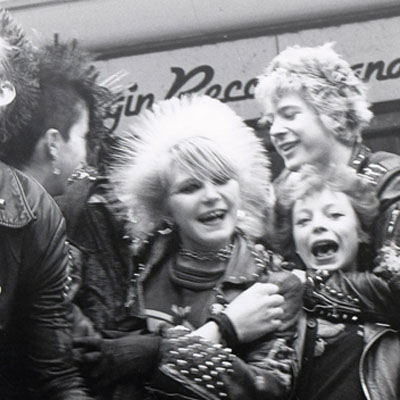
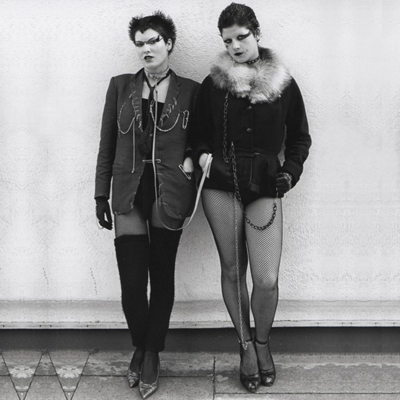
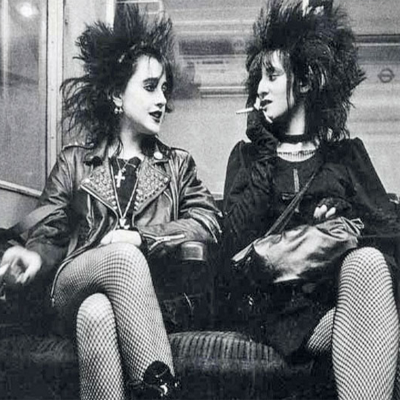
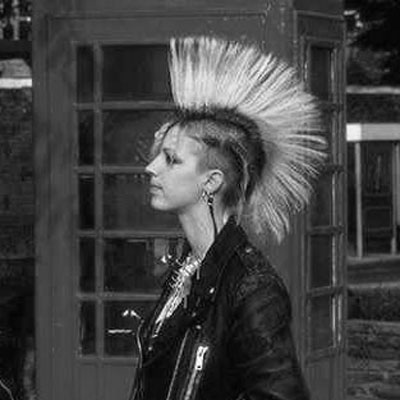
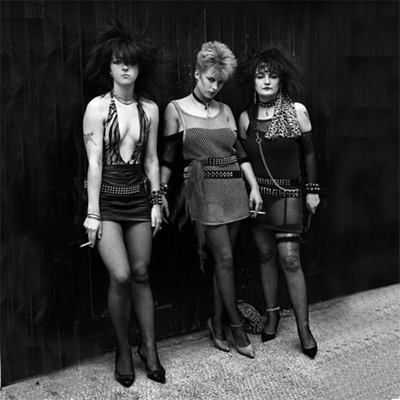
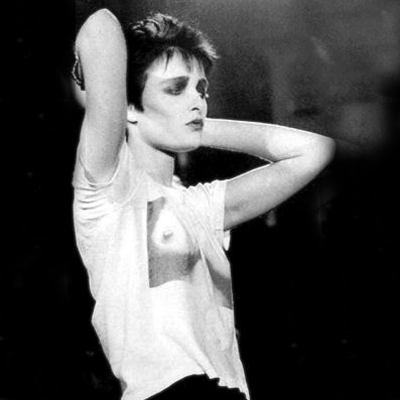
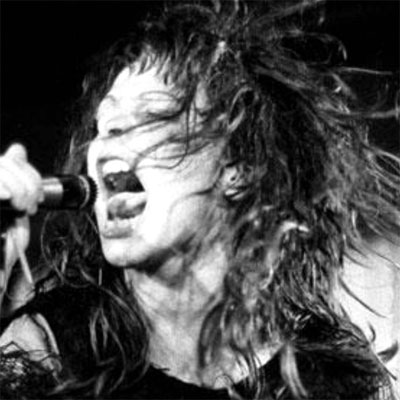
The UK of the 1970s was a complete mess. The working class, as always, react to oppression with invention. Cohesive society fractures and splinter groups form to establish areas of new art, identity and exploration. Some of these groups were retro and some new, some are positive and some negative. Skinheads, Teds, Rockabilly, Ska and Punks were all on the streets during this period. They had their own clubs, music and style of dress. At the time all of these may have seemed negative or without direction but with hindsight many positive things came out of this period of unrest. None was more positive than the achievements and legacy of female punks and this continues to enable and influence future generations. The punk movement encouraged complete self expression, neither talent nor tuition was a prerequisite and everybody was equal. This formed an unlikely platform for women, it was explorative, liberating and wild. The Roxy of the late 1970’s was a male dominated venue, it was aggressive, dangerous and intimidating and yet there were women there holding their own. I was in my mid teens when at the Roxy I recall how disturbed and confused I was about punk women. I found punk women incredibly attractive I had a primal lust for them but they terrified me. All of the signals were confused, public/private, inviting/defensive, attractive/repulsive, welcoming/opposing, aggressive/friendly male/female all of this in the chaotic cocktail of sweat and energy that was the Roxy set off sensory alerts that kept you on edge. It was an adrenaline junkies heaven. Punk women were aware of this male disorientation to their aggressive androgyny and explored its limits. It was, of course anarchic, it destabilised and confused, it was living performance art reassessing all conventional relationships. I can remember reading many years later a quote from Viv Albertine of The Slits “Guys didn’t know whether to fuck us or kill us” and although I’ve never wanted to kill anyone I knew exactly what she meant.  

The counter culture of the punk scene encouraged women to participate on equal terms. If you could play get on stage. If the crowd approved they would dive into that bouncing scrum called a dance floor and you could continue playing. If the crowd disapproved they’d throw things at you until you left the stage, the same counteraction whether male or female. Punk enabled more women to form bands, play instruments and tour independently than in any previous music scene. Women pre-punk were often kept on the sidelines or added to a band for decorative affect. Previously there were many women front singers but now there were whole bands. The influence has continued as it is no longer unusual to see female guitarists or drummers. The role and the attitudes of Metal group L7 are indistinguishable from male Metal bands and this gender liberation owes a lot to the women of Punk.  

For Punk the body was a political instrument, a symbol of opposition, of statement, of disgust for established conventions. It made the viewer question their own ideals on what is acceptable and gender presentation and identity featured strongly in this. Men dressed as women and women as men. Gender specific garments were adopted by the opposite sex. Hair, make up, piercing was all part of a genderless uniform. The conventional hierarchy and ordering of clothes was also questioned, everything that was normally hidden was brought to the front creating explicitly outward identities of sexuality. Further dress hierarchy was destructured as skirts were worn as tops, shirts worn back to front, clothes worn inside out. There was ripped multi layering, material and colour clashes, country tweeds with torn tights, suit jackets with metal studs and chains. Slogans adorned most surfaces and were no longer confined to T-shirts. The only rules were there were no rules. The body politic juxtaposed items of conventional clothing as a critique of their established roles and their use in society. Punk was an angry movement expressed through a masculine aggression. Women adopted an aesthetic of masculine aggression but pushed this further by using their bodies in the same way that men would. At the time Punk was not a deliberate intellectual movement but intuitive and responsive. In retrospect Punk was very much part of the Post Modern schism, a point of inflexion, questioning and redirection.   

The influence of punk endures. Ten years after the Roxy I remember seeing a student at an art college, she was dressed in an orange Gaultier top, It had arms down to her knees and her arms came out at the elbows. The top was spray fit. She had a pair of Wolford electric blue tights on and had black steel toed hobnail boots, unlaced. On other days she would come to college in stripy pyjamas or an old ripped boiler suit that had no sides, you could see straight through from one side to the other and she rarely had much on underneath. When she left she would wrap up in a moth eaten fur coat, more living compost than garment. It was easy to read the legacy of punk simply from her outfits. Design houses had favoured it from Gallilano to Gaultier and quickly explored the new freedoms of aesthetic. Chanel was using graffiti?? Designer fashion pieces were now being mixed with found and altered items trawled from the second hand charity shops. Women were still questioning the conventions of beauty and appropriateness and aggressively staking their space. They would argue their case with a blind vengeance and defend their work until the critics became overwhelmed or defeated. The student in question was Lorraine but it could well have been many an art student of the 1980s of 90s. Once again I was overwhelmed with the irrationality of it all but reassured by the undiscovered potentials expressed though the medium of continued conversation that is progress.    

The Surrogate Twin 

Posted on

170416 – Morphing the Body –V&A, London

170416 – Morphing the Body –V&A, London > words

The Undressed exhibition at the V&A London.

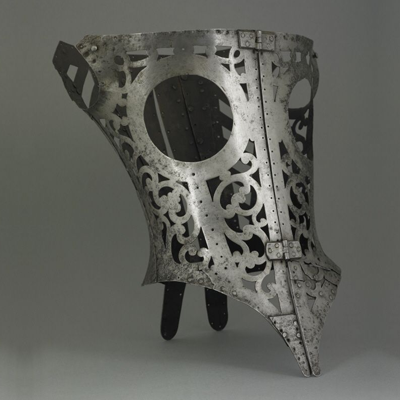
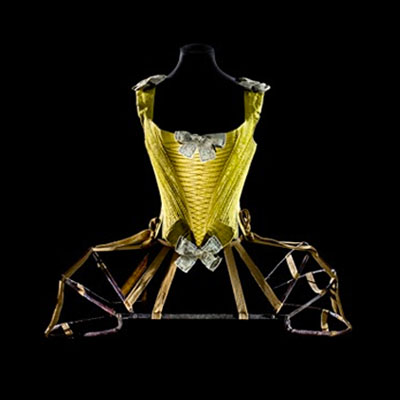
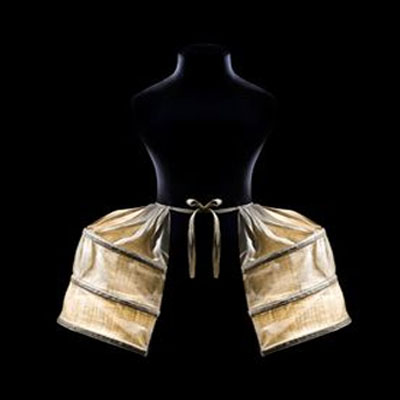
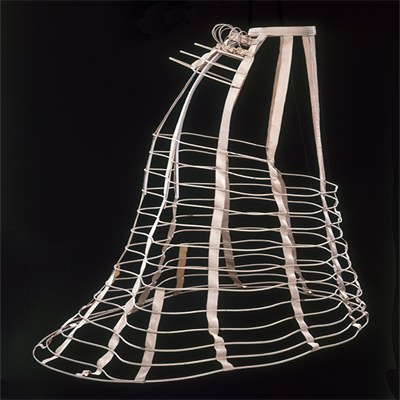
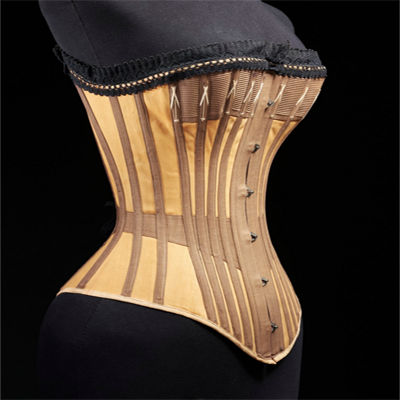
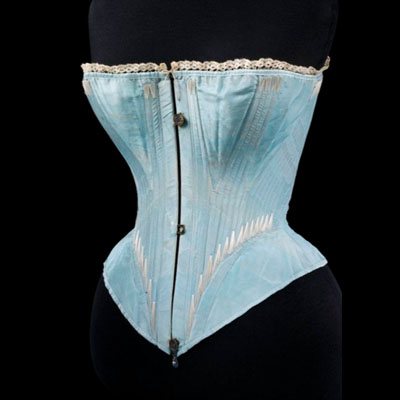
Morphing the body to an idealised form is a theme that runs throughout this exhibition. Waistlines move up and down the torso, bottoms expand and contract, sometimes sideways from the hips, sometimes rearward from the coccyx. Shoulders broaden, or are pulled back and dropped thrusting the chest skyward. Curves are enhanced, silhouettes revealed and the details extenuate the line. Form is idealised, across all periods there is a pursuit for the idealised form, that of the time. What many consider to be instruments of torture are also instruments of empowerment and this would seem to be historically consistent. The hour glass figure of Edwardian women determined the deportment that was required for women to enter the new mercantile nineteenth century society. The clothes of the 1960’s expressed a new sexual liberation and changing attitudes to ones role within society. Sexual expression and identity expression are two parts of a double-edged sword. Identity expression tends to be political and linked to prevailing ideologies whereas sexual expression is a subset within the present politic and is local and targeted.

What I found most interesting about the morphing of form, male and female was the move towards underwear as outerwear and developments in plastic surgery. Underwear as outerwear is suggestive, as much an invitation as an expression. Painters have used this throughout time as a means by which one is able to reveal ones true self. Also as a means of enticement drawing the viewer into the intimate space portrayed, women at their boudoir being a recurring theme with voyeur males in background. Underwear as outerwear in fashion today is slightly more crass but it also blurs the distinction of the role of each garment and these roles may well be an antiquated legacy. Underwear as outerwear is also an expression of gender equality with what was previously hidden and private becoming public. Historically society has been male dominated primarily due to the males physical strength. In times when physical power has less and less currency we may well see a gender role reversal. Underwear as outerwear can be political and intrusive as it invades the perceived personal space of others. Partly as an item that is usually associated with intimacy and is now being shared publicly sending out a confused signal. But also as a show of self-confidence that carries aggressive overtones with its disregard for convention and authority. With time any decontextualizing of the hierarchy of garments becomes normalised and any intended inherent message becomes diluted.

The second point of interest is the developments in plastic surgery and actual body enhancements. The hour glass figure of the nineteenth century encased in an exoskeleton of an idealised form slowly gives way to the more natural figure of the 1960s clothed in casual fabrics. Today nudity is commonplace on most beaches and has been normalised through printed and digital image. As it becomes more acceptable for the body to be seen in public (red carpet catwalks) it has become more important for the body to hold its own form. Men have exercised for millennium to obtain a perceived manly figure. This became more extreme with the body builders of the 1960s and 70s to the point of creating the unusable body. Women today spend many hours in the gym and are as self conscious about their chest, abs and butts as men. This requires a lot of time and hard work and beyond a certain age results are much harder to achieve. Plastic surgery offers both a shortcut to and an enhancement of the body beyond what may otherwise have been achievable. As the nineteenth century shaped the form of the body with the exoskeleton, the corset, the twenty-first century shapes form from within the body. Breast augmentation, gluteal implants, liposuction, rhinoplasty, otoplasty, blepharoplasty, rhytidectomy, abdominoplasty, rib removal, botox, tattoos, piercing (boob, butt, tummy, face, ear and nose jobs) are all common procedures. Some parts are cut away others are padded out with silicon sandwiched between the ribs and the skin. When discussed matter-of-factly it hardly seems normal behaviour and is much more of a radical intervention than trying to achieve a nineteenth century wasp waste. When augmented, the body requires special clothing to exhibit its new form. Clothing that can both reveal and enhance whether this is lycra and mesh or the sheer fabrics that dominate recent fashion trends. Today’s idealised form is heavily influenced by medias focus on popular culture. Cartoons and superheroes are satirical extrapolations that caricature human qualities, good and bad, weak and strong, masculine and feminine, beautiful and ugly, these set up a bipolar duality in which a narrative can be simplified. Popular culture maximises catchment using this simplified narrative. Popularity fuels a cultural feedback loop where humans that have been caricatured to exaggerate qualities to add emphasis for media become the icons for humans to emulate. The internally augmented form is a product of this emulation. At present the body is enhanced as an idealised natural form but how long will it be before bustles and panniers, or their modern equivalents, are inserted. Decorative silicon implants already adorn many faces of street cultured youths and asymmetrical forms may be the future norm.

In summation there has been an evolution from the natural body squeezed into the idealised form of the exoskeleton, through to a period of the natural body fitted in casual clothes, to a body augmented from within sheathed in a gossamer skin. As we move towards electronic tattoos, technological implants and responsive augmentation where programming and choreography may be as important as form manipulation. The morphing body may be able to respond to occasions or seasons or perhaps more immediately to the requirements of the next meeting or event. The clip from Terminator 3 immediately comes to mind, when Kristanna Loken looks at a Victoria Secrets billboard with the text ‘What is Sexy?’ and responds by inflating her breasts.     

The Surrogate Twin 

Posted on

100416 – Affirmation – National Gallery, London

​100416 – Affirmation – National Gallery, London > words

Amsterdam had entered its Golden Age by the 1600’s with control over the East Indies Trade, a period that would last for two centuries. Capitol moved from previously Spanish dominated merchants to the Dutch trading ports. Spain’s power had been diminished by lengthy wars with England. Europe was split Catholic/Protestant with the Catholics moving south as the Protestants moved North. Amsterdam attracted skilled tradesmen from a mixture of Protestant, Portuguese Jewish and French Huguenots escaping the persecuted Catholic countries and the Counter Reformation. Good infrastructure from canals and cheap energy from windmills and peat added to the growth. The Dutch East India Company, the first multi-national corporation dominated Asian trade and the spice routes bringing goods back to Holland before redistribution. On this Amsterdam was the convenient bottleneck for all this newly created liquidity. Science had also helped loosen the grips of the Catholic church and the individual began to enter a period of artistic self expression where previously all high art was religious. Modern sophisticated banking, finance and insurance grew to support the ever-growing trade. Trade was financed by shares sold on the first modern Stock Exchange and with this risk was diversified to the numerous shareholders. Speculation was rife driving up prices, Tulip Mania famously crashing in 1637. The Dutch also dominated Inter European trade via control of the Rhine. The Rhine entered the sea via Dutch ports and shipped goods in a two-way trade North/South from the Mediterranean countries to the Baltics. The Urban merchant class dominated Dutch society, with landed gentry and clergy having little influence. Calvinism established a liberal intellectual and religious tolerance and from this the sciences flourished as they were allowed the freedom to speculate and posture. 

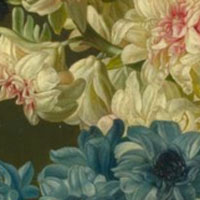
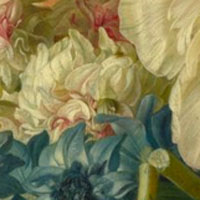
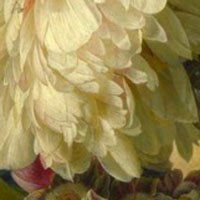
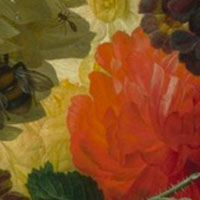
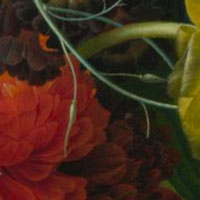
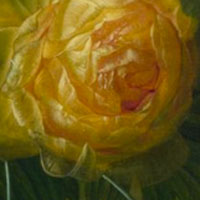
So what did the Dutch spend their newfound wealth on? One could say self-affirmation, all of Europe had been dominated by the Church and predestined thought. There was a cultural and intellectual fight to break away from divine fate and to establish a realm for the scientific liberal, to establish the individual. The big “Who am I” was answered by identity and status consumables – or portraits and possessions. Showy wealth was frowned upon as a Catholic attribute. Lineage, earthly and heavenly, best exemplified by Louis XIV of the House of Bourbon as the Sun God with his ‘Divine Right of Kings’. A common problem when religion and law become one. Puritan reality replaces idolatry. Painters such as Vermeer and Rembrandt (portraits), Osias Bert and Snyder (Food), van Brussel and Bosschaert (flowers) expressed this. The ideal and Divine, Gods on clouds, the celestial vision, is replaced with dark backgrounds that focus the viewer on more humble subjects such as portraits, food and flowers. Each of these genres were very much used as an expression of wealth however humble the compositions may look today. 

So here we are looking at paintings of flowers but trying to look through the eyes of wealthy 17th century Dutch merchants. When a Tulip bulb could sell for 10 times the annual salary of a skilled craftsman and as expensive as pepper (peperduur) was a common expression. All things shipped in from new found far foreign lands had huge value due to the related risks entailed in transportation and acquisition, spices and exotic flowers being no exception. So in many ways this is the equivalent of Dutch 17th century bling but in a language that today lacks relevant punch when the contemporary audience that has been exposed to the abundance of modern supermarkets or are blind due to the proliferation of the disposable digital image. One could retro-read a beautiful painting of exquisitely detailed flowers as representative of 200 years tyranny, power struggles and corruption but that would be a lengthy essay, perhaps for another day. Today we’ll just enjoy the skill of the artisans that could capture sunlight striking a shell, a petal or the iridescence on a fly’s wing.

The Surrogate Twin 
Posted on

160116 – Celts – British Museum, London

160116 – Celts – British Museum, London > words

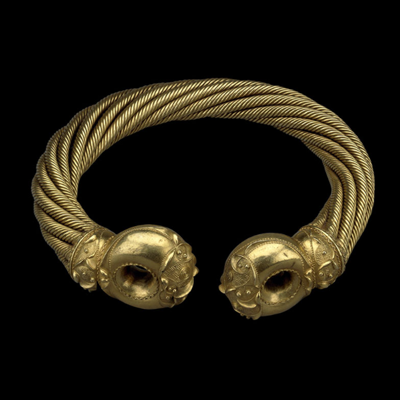
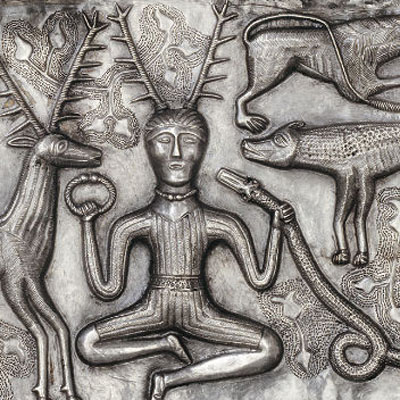
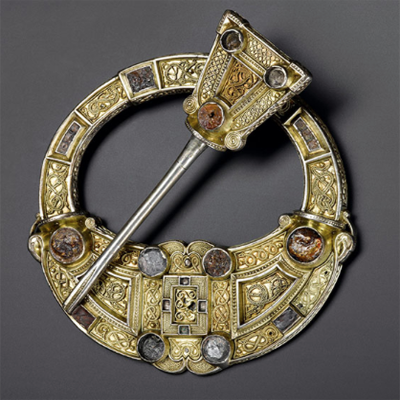
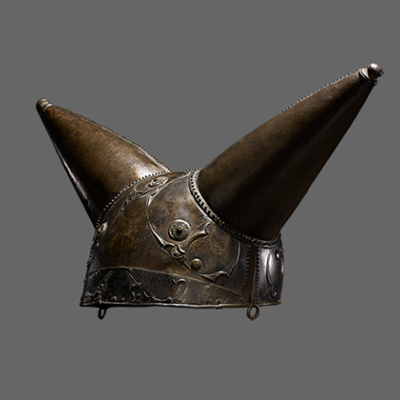
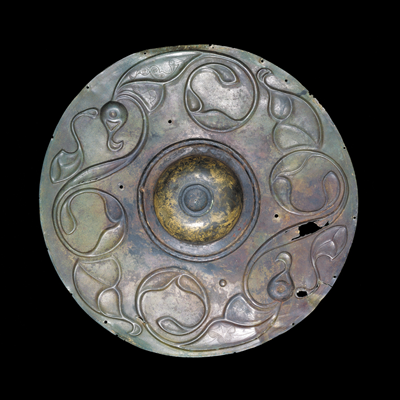
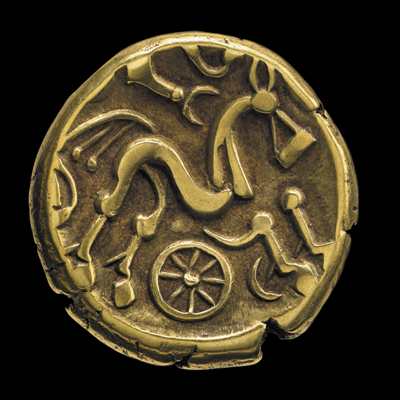
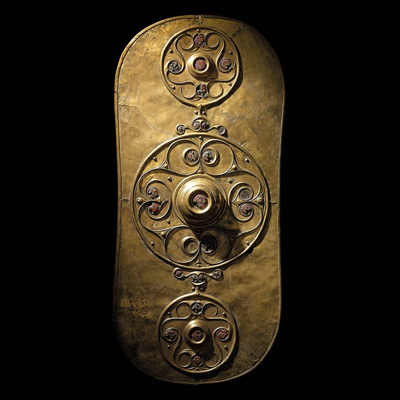
Looking at art works over 2500 years hold is a humbling experience. One is immediately aware of ones own insignificance. We occupy our place on spaceship earth for a nanosecond of geological time and within that micro duration we try to create something of value or of use that helps the collective that is the human race. We often talk of The Dark Ages or here The Noble Savage or The Pagan as if these were times without value. Design, technology, social and political structures are and have always been evolutionary the speed of development often controlled only by the speed of communication. The filigree work on a gold brooch from 700AD is as skillful and considered as any from the Middle Ages. The lynch pin that holds a wheel onto a fixed axle cart is as practical an engineering solution as was required. The meandering curves of Celtic art with elongated animals, deer and ducks, have an aesthetic sensibility and compositional skill still influential today.
Posted on

100116 – Macellaio – Exmouth Market, London

100116 – Macellaio – Exmouth Market, London > words

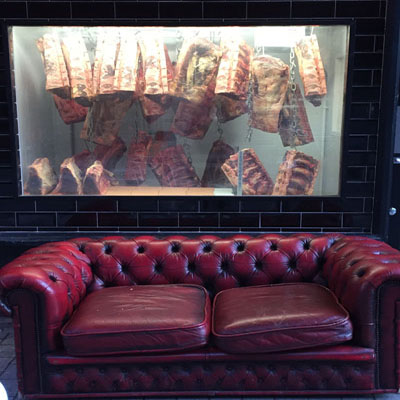
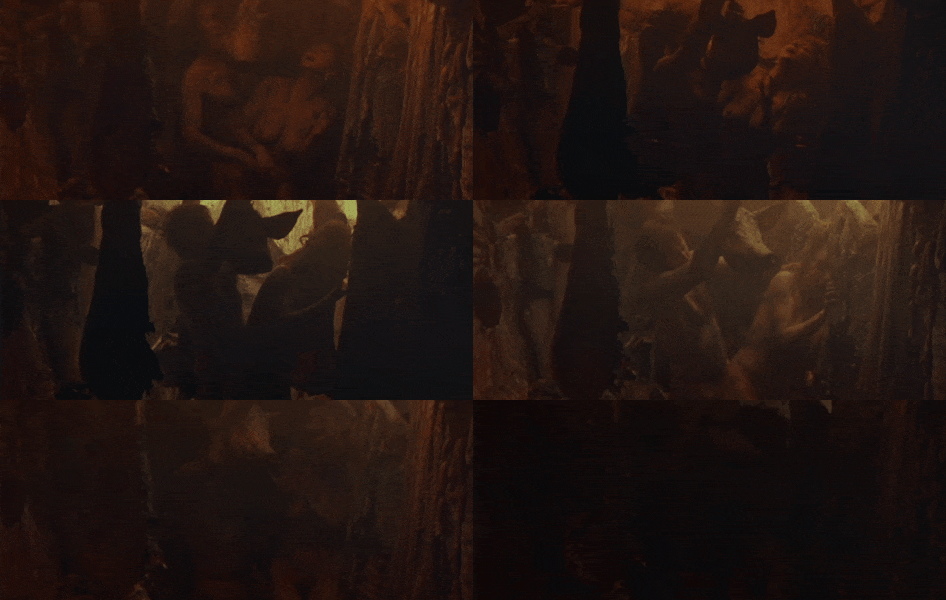
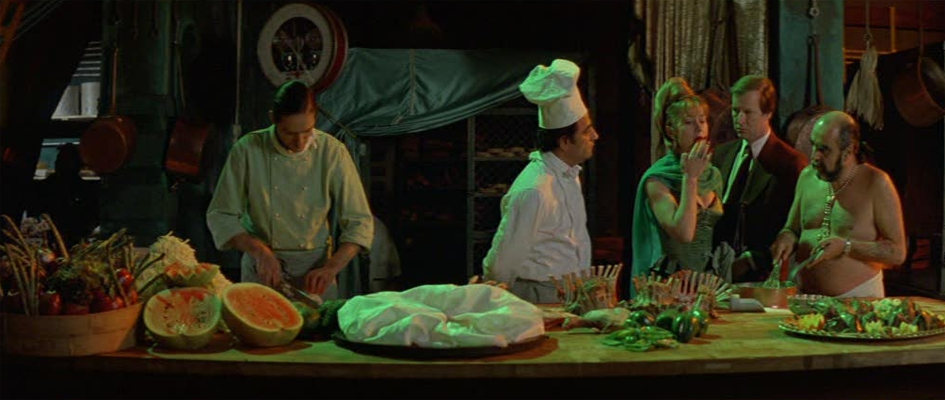
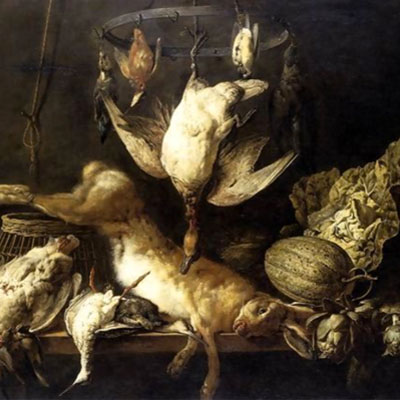
I spent a day thinking about the photos I had taken of the Macellaio restaurant front on Exmouth market to try and describe why I found the images both powerful and yet so familiar. Eventually out of the dusty recesses of my past memories came a visit to the Lumiere cinema in 1989 to see the Peter Greenaway film The Cook, The Thief, The Wife and Her Lover. Greenaway uses framing and frames within frames to both focus the viewer and capture the reference of the work (often a painting). The framing can be literal i.e. enclosure or phenomenal i.e. suggestive or referential. In the image of the hanging carcasses with the sofa we have a double frame. First the Chesterfield leather sofa placed in the street below a canopy captures a space to focus the viewer, a suggestive frame of an interior space. Second the hanging meat is behind the window to a butcher’s refrigerated store, a second framed interior space set deep within the first. Both spaces are private spaces inverted to become public spaces and in so doing create an intimacy with the viewer through suggestive enclosure. Phenomenal space is referenced through subjective association, for me this was the films of Peter Greenaway. The frame within a frame and the inversion of most private to public domain are well-used techniques in Greenaway films. The impossible panoramic scenes supposedly shot in the back of a meat van from The Cook, The Thief, The Wife and Her Lover immediately come to mind as do the food still life paintings of the 17th Century Dutch Baroque.

Posted on

100116 – Bowie/Yamamoto

100116 – Bowie/Yamamoto > words

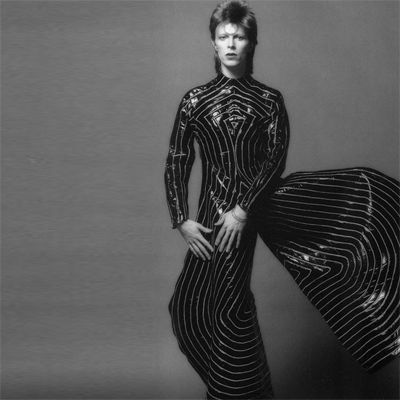
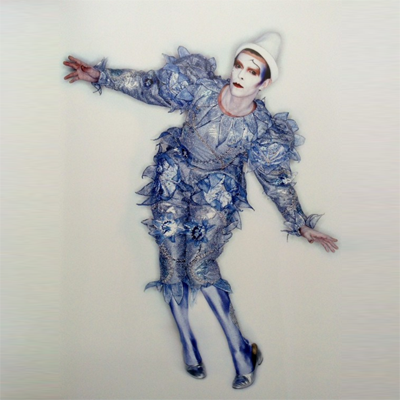
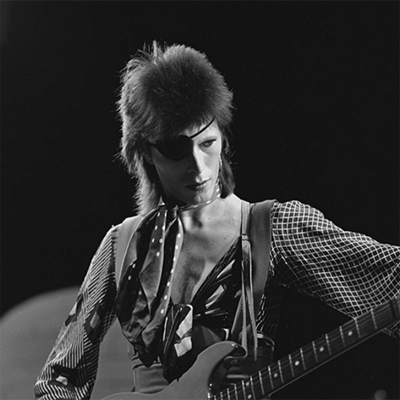
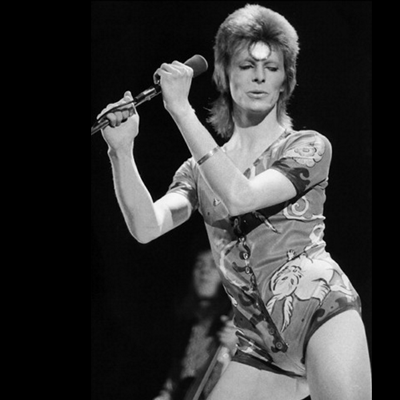
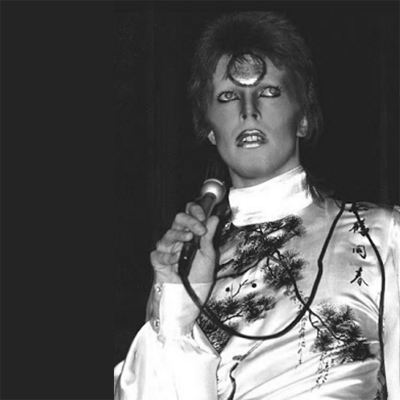
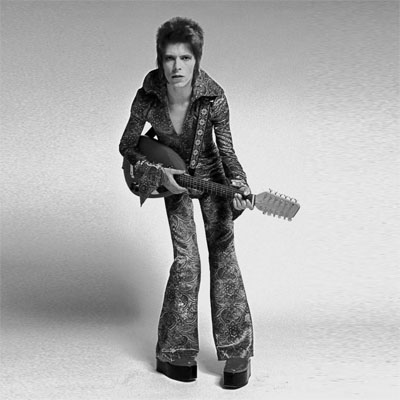
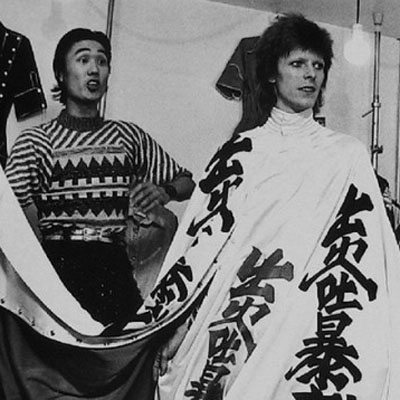
The 1970s was a shameful period in recent British history, a combination of huge national debt, over powerful unions, outdated industries and a people that had lost all self belief created the toxic times of the three day week, the IRA, constant power cuts, garbage stacked high on every street and mass unemployment. Against this backdrop of no self hope and no self worth emerged the escapist music of David Bowie and we all rushed in so as to leave the turmoil of the real world behind. Bowie’s characters drew upon many references and among them were the exotic and the oriental, historically a recurring theme for British escapism. Bowie worked with Kansai Yamamoto through the early 1970’s producing some of the most iconic stage costumes of the time that influenced pop culture for generations to come. Here are a few examples. Bowie RIP.

Posted on

131215 – Europe 1600-1815 – V&A, London

131215 – Europe 1600-1815 – V&A, London > words

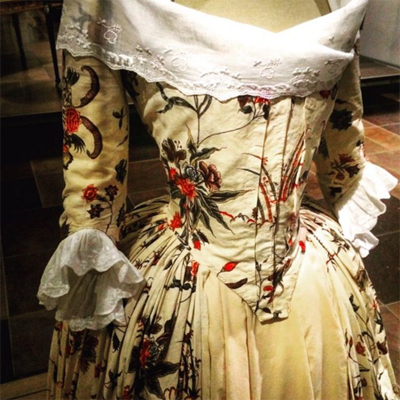
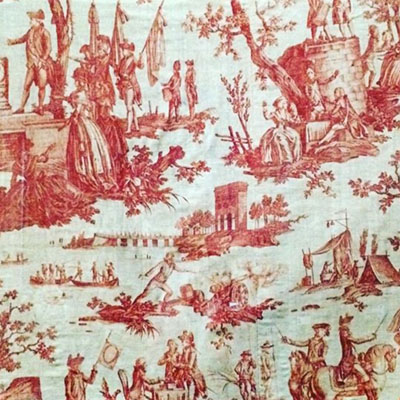
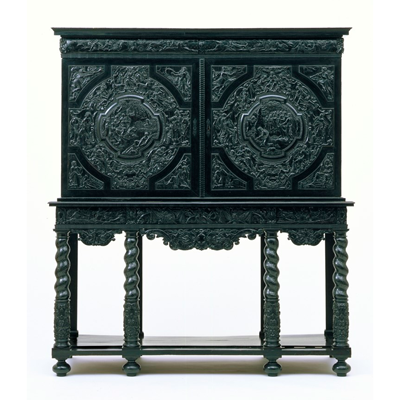
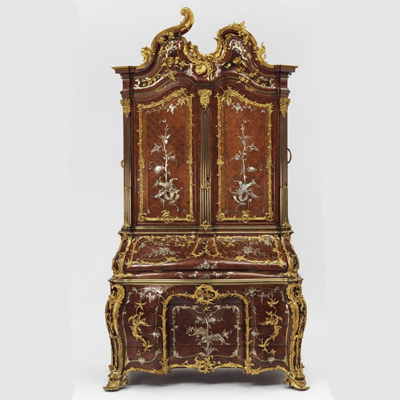
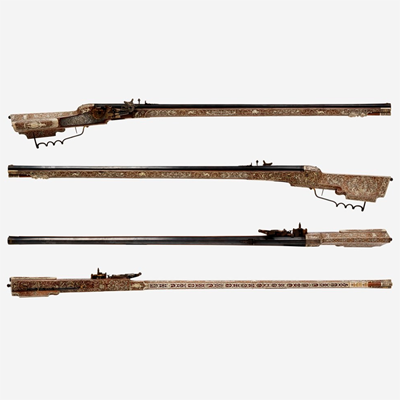
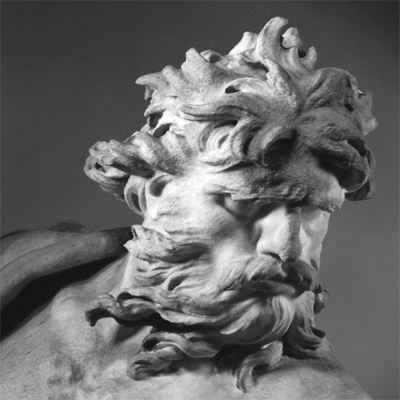
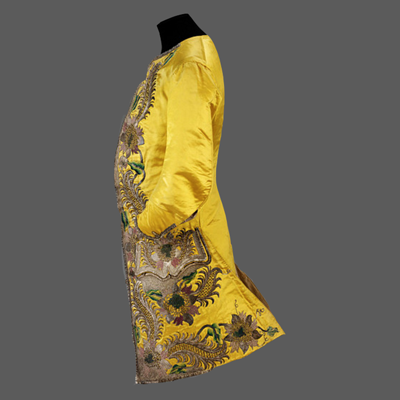
The new galleries at the V&A are now open covering European work from the 17th and 18th centuries. The galleries explain the transition of Europe through three distinct periods. The early 1600’s where Europe is under the influence of the Italian church followed by the early 1700’s under the power of French Royalty. Finally the later part of the 1700’s Europe under the influence of colonialism and the trade routes. These are beautiful galleries with exquisite detailing showing some incredible pieces of work. There is way too much for one day with the senses quickly reaching saturation. At one extreme the extravagance of baroque composition and its use of dramatic lighting and at another the mechanism of the wheel lock pistol. This is a multi visit gallery and one I will enjoy viewing as often as I can.

The galleries sit below ground level but open via a staircase to the main foyer that must look beautiful on plan. Unfortunately on a winters day the galleries quickly fill with the cold air from the foyer and are proving problematic to heat, an interesting problem for ZMMA.